Causes of Female Infertility – Environmental/Lifestyle Factors
Dr. Kate Dudek • September 18, 2022 • 5 min read

There are a number of lifestyle and environmental factors that can influence infertility. Lifestyle factors are, by their nature, generally modifiable. This means that for women who are struggling to conceive, making simple lifestyle adjustments could improve their likelihood of falling pregnant. Some of the most well known lifestyle factors include:
Age
Many couples are choosing to delay having children, for personal, social or economic reasons. Fertility peaks and then declines over time, so a couple needs to carefully consider when the best time to start a family is. A woman is born with all the eggs she will ever have (over 1 million), but the number of viable eggs decreases during her lifespan, and only 400–500 are actually released from the ovaries during ovulation. With increasing age, there is a reduction in both the number and quality of eggs in the ovaries. The reduction in the number of eggs leads to changes in hormone levels, which further reduces a woman’s fertility. Increasing age also increases the time it takes for a woman to fall pregnant. In a European study with 782 couples, infertility was estimated at 8% for women aged 19-26 years, 13-14% for women aged 27-34 years and 18% for women aged 35-39 years. However, sometimes time and patience are key, and the authors concluded that many infertile couples would conceive if they tried for an additional year.
Nutrition
An improved diet can help improve fertility . Eating a folate-rich diet of dark, leafy greens, such as spinach is a good natural way to boost fertility. In fact, the NHS in the UK recommends that women who are trying to conceive take folic acid supplements (usually 0.4 mg daily) and continue with this throughout the first 12 weeks of pregnancy, as it can be difficult to get sufficient quantities from the diet alone. Avoiding too many trans fatty acids (TFA), will not only improve overall health and reduce the risk of heart disease; but also, improve the likelihood of falling pregnant. TFAs can adversely affect the shape and size of the sperm and the quality of the female oocyte.
Weight
Women who have a Body Mass Index (BMI) over 25 are classed as obese; obese women have a greater risk of experiencing recurrent early miscarriages. Women with a high BMI are also at greater risk of developing type 2 diabetes and PCOS-like symptoms, which can also lead to infertility. Losing weight has been shown to improve fertility. On the other end of the spectrum, having a low BMI (<18.5) can also lead to problems conceiving. Low body fat increases the risk of ovarian dysfunction and women with a history of eating disorders are more likely to experience fertility issues.
Exercise
Moderate exercise is good for you and partaking in regular physical activity has been shown to improve fertility when coupled with weight loss in obese women. However, those who exercise excessively may be reducing their chances of conceiving. Specifically, when energy demand exceeds dietary energy intake, it can result in dysfunction of the hypothalamic axis and subsequent menstrual irregularities. Up to 56% of exercising women experience menstrual disturbances due to low energy availability. There is evidence that female athletes are more likely to suffer from iron-deficient anaemia, which can also affect menstruation and fertility. Iron is required for follicular development as well as endometrial thickening and a shortage can lead to difficulty in conceiving. Ensuring that, during training, the body has time to recover and the nutrients that are lost during strenuous exercise are replaced, will alleviate some of these risk factors.
Stress
Stress can be physical or psychological, and both types may negatively impact fertility. Unfortunately, up to 30% of women who visit a fertility clinic are likely to exhibit symptoms of psychological stress, such as depression or anxiety; for some women these manifestations are directly related to their struggles to conceive, for other women they occur as a result of underlying mental health issues. Regardless of the root cause, it is probable that their inability to conceive will exacerbate the situation further. A positive mood has been shown to correlate with increased live birth rates and, conversely, rates of oocyte fertilisation are reduced when stress levels are increased. The reasons why stress reduces fertility are not well understood, although the stress hormone alpha amylase has been implicated, possibly reducing blood flow to the Fallopian tube.
Smoking
According to the World Health Organisation (WHO), 250 million women smoke worldwide. Average rates are far higher in developed countries (22%) compared to developing countries (9%). Smoking is unhealthy on many levels, but in terms of fertility it disrupts ovarian function and reduces the ovarian reserve. Typically women that smoke go through the menopause between one and four years earlier than non-smokers. Women who smoke more than 20 cigarettes a day, have lower progesterone levels during the luteal phase of their menstrual cycle, which can serve as a marker of anovulation. Without ovulation, fertilisation is not possible. Women who stop smoking double their chances of getting pregnant. The chemicals found in cigarette smoke can also compromise the uterine environment, making it inhospitable for embryo implantation and growth. Tobacco smoke also contains carcinogens, or cancer-causing substances. Carcinogens cause damage to DNA, which is the basic building material found in all cells of the human body, including the germ cells, which give rise to male sperm cells and female egg cells. Thus smoking can have a direct effect on the health of the reproductive sex cells. It is also important to consider the impact of passive smoking. In addition to contributing to male fertility issues, having a partner who smokes heavily can have reproductive consequences for the female who is regularly exposed to secondhand smoke, even if she does not smoke herself. Passive smoke exposure can be almost as detrimental as direct smoke inhalation and increases the risk of miscarriage, premature labour and birth defects.
Recreational and prescription drugs
Scientific studies are rare for ethical reasons and, certainly in the case of illicit drugs, under-reporting. However, the evidence does suggest that marijuana, for example, contains cannabinoids, which bind to reproductive structures and alter hormonal regulation. Prescription medications, such as those used to control autoimmune disease or those used in cancer therapy, may affect fertility. Consult your doctor if you are on any medication prior to starting a family. Your healthcare professional can ensure the drugs you are prescribed are safe for use during conception and pregnancy.
Alcohol and caffeine
Alcohol is one of the most widely used recreational substances worldwide and is associated with multiple reproductive risks. Perhaps the most well studied and widely understood of these risks are those related to foetal development. Alcohol readily crosses the placenta and therefore any alcohol consumed by the mother passes directly to her unborn child. High alcohol exposure can cause Foetal Alcohol Spectrum Disorders, which lead to behavioural and cognitive deficits and growth retardation. However, there are other issues that women who drink alcohol should consider if they are planning to start a family. Chronic, prolonged alcohol use can lead to menstrual cycle disturbances and a reduced ovarian reserve. There is a proven link between alcoholism and early menopause. Even moderate alcohol use reduces the success rates of infertility treatment, possibly due to an alteration in endogenous hormone levels and reduced endometrial receptivity. There is a suggested link between alcohol consumption and miscarriage, and, although studies performed to date have given conflicting results, the best advice is for pregnant women to completely abstain from alcohol and for all women to limit their intake whilst trying to conceive.
Caffeine is found in coffee, tea, carbonated drinks, energy drinks and chocolate. It is the most widely consumed psychostimulant worldwide; and drinking coffee is considered a cultural tradition in many countries of the Middle East. Pregnant women are advised to limit their caffeine consumption to between 200mg (European Food Safety Authority) and 300mg (WHO) a day, which equates to two to three cups of coffee. This is because of an increased risk of miscarriage in those who regularly consume high quantities of caffeine. It is not fully understood why caffeine increases the rate of miscarriage, but suggested mechanisms are altered levels of endogenous hormones and disrupted placental blood flow. Caffeine also crosses the placenta, so can have direct effects on the developing foetus. Women who regularly consume more than 300mg of caffeine a day might notice that they have shorter than average menstrual cycles, however, there is no clear data on the effect of high caffeine intake on other areas of reproductive capability. A final point to bear in mind is that caffeine is not the only bioactive substance in coffee. It is possible that the different ingredients may have a cocktail or synergistic effect, and more work is required to look at circulating caffeine levels as well as comparing the effects of decaffeinated drinks with their caffeine-filled equivalents.
Environmental exposures/toxins
These are amongst the most difficult factors to avoid, as they surround us in our day-to-day lives. Heavy metals, such as lead, mercury and boron can affect both male and female fertility. Lead is found in batteries, metal products, paints and pipes; it interrupts the hypothalamic-pituitary axis and alters hormone levels. It also reduces sperm quality and can cause menstrual cycle irregularities in females. Boron, used to manufacture glass, ceramic and leather, has similar effects on the hypothalamic-pituitary axis. Mercury is found in thermometers, batteries and industrial emissions. It enters the food chain via tainted seafood and bioaccumulates in humans, negatively affecting fertility; disrupting spermatogenesis and potentially causing foetal abnormalities. Air pollution comes from particulate matter and ground-level ozone being released into the atmosphere. Gases such as carbon monoxide, sulphur dioxide and nitrogen dioxide all contribute to the problem. These air pollutants come from, amongst other sources, vehicle emissions, the burning of fuels and industrial emissions. Air pollution has a significant impact on a number of physiological functions, including reproduction. It is very difficult to isolate specific pollutants, as usually people are simultaneously exposed to a number at the same time. It has also proved challenging to identify the specific mechanisms through which these particles impact fertility. They seem to interfere with the development of the male and female sex cells. Excessive exposure to air pollutants also has an association with increased miscarriage rates and foetal malformations, for reasons yet to be fully elucidated. Whilst absolute avoidance of air pollution is not possible, the message must be to raise awareness and, on a global scale, attempt to limit the release of harmful, ozone-damaging materials into the environment.
Endocrine disruptors
Endocrine disruptors affect male and female fertility. They mimic natural hormones, impeding normal hormone activity and altering the function of the endocrine system. They are widespread and found virtually everywhere, from manufacturing processes, to personal care products, medical applications, to cleaning products. Some of the most widely used, repeatedly shown to affect female fertility are:
- BPA (Bisphenol A). Used in the manufacture of plastics. Found in microwaveable containers and water bottles; as well as paints and adhesives. Associated with recurrent miscarriages and embryonic chromosomal abnormalities.
- Phthalates. Used to soften plastics. Found in cosmetics, perfumes, toys, pharmaceuticals and medical devices. Cause ovulatory irregularities, reduced fertility and a longer time to pregnancy. Also linked to early puberty.
- Solvents. Found in plastics, resins, glues, paints, dyes, detergents, pesticides, nail varnish, insulation, food containers, cleaning products, amongst other things. Lead to hormonal changes and reduced fertility.
It is quite obvious from the list above that endocrine disruptors are prolific, and have unfortunately become a central part of modern life. Therefore,avoiding all exposure to potential endocrine disrupting chemicals is not feasible. However, minimising exposure to some known toxins, may help couples who are struggling to conceive.
Causes of Female Infertility - Autoimmune and Immune-Mediated Disorders
Causes of Female Infertility - Cancer
Nabta is reshaping women’s healthcare. We support women with their personal health journeys, from everyday wellbeing to the uniquely female experiences of fertility, pregnancy, and menopause.
Get in touch if you have any questions about this article or any aspect of women’s health. We’re here for you.
Sources:
- Carré, J, et al. “Does Air Pollution Play a Role in Infertility?: a Systematic Review.” Environmental Health, vol. 16, no. 1, 28 July 2017, p. 82., doi:10.1186/s12940-017-0291-8.
- Chalupka, S, and A N Chalupka. “The Impact of Environmental and Occupational Exposures on Reproductive Health.” Journal of Obstetric, Gynecologic and Neonatal Nursing, vol. 39, no. 1, 2010, pp. 84–102., doi:10.1111/j.1552-6909.2009.01091.x.
- “Female Smoking.” World Health Organisation, www.who.int/tobacco/en/atlas6.pdf
- “How Stopping Smoking Boosts Your Fertility Naturally.” Cleveland Clinic, 16 Apr. 2019, health.clevelandclinic.org/how-stopping-smoking-boosts-your-fertility-naturally/.
- Lyngsø, J, et al. “Association between Coffee or Caffeine Consumption and Fecundity and Fertility: a Systematic Review and Dose-Response Meta-Analysis.” Clinical Epidemiology, vol. 9, 15 Dec. 2017, pp. 699–719., doi:10.2147/CLEP.S146496.
- Palomba, S, et al. “Lifestyle and Fertility: the Influence of Stress and Quality of Life on Female Fertility.” Reproductive Biology and Endocrinology, vol. 16, no. 1, 2 Dec. 2018, p. 113., doi:10.1186/s12958-018-0434-y.
- Petkus, D L, et al. “The Unexplored Crossroads of the Female Athlete Triad and Iron Deficiency: A Narrative Review.” Sports Medicine, vol. 47, no. 9, Sept. 2017, pp. 1721–1737., doi:10.1007/s40279-017-0706-2.
- Practice Committee of American Society for Reproductive Medicine. “Smoking and Infertility.” Fertility and Sterility, vol. 90, no. 5 (Suppl), Nov. 2008, pp. S254–S259., doi:10.1016/j.fertnstert.2008.08.035.
- Sharma, R, et al. “Lifestyle Factors and Reproductive Health: Taking Control of Your Fertility.” Reproductive Biology and Endocrinology, vol. 11, no. 66, 16 July 2013, doi:10.1186/1477-7827-11-66.
- Van Heertum, K, and B Rossi. “Alcohol and Fertility: How Much Is Too Much?” Fertility Research and Practice, vol. 3, 10 July 2017, p. 10., doi:10.1186/s40738-017-0037-x.
- “What Are Some Possible Causes of Female Infertility? .” National Institutes of Health, www.nichd.nih.gov/health/topics/infertility/conditioninfo/causes/causes-female.
- “What Lifestyle and Environmental Factors May Be Involved with Infertility in Females and Males? .” National Institutes of Health, www.nichd.nih.gov/health/topics/infertility/conditioninfo/causes/lifestyle.
Download the Nabta App


Related Articles

9 Natural Induction Methods Examined: What Does the Evidence Say?
Towards the end of [pregnancies](https://nabtahealth.com/article/ectopic-pregnancies-why-do-they-happen/), many women try methods of natural induction. The evidence supporting various traditional methods is variable, and benefits, side effects, and notable potential health risks are present. Understanding what science says can help individuals make informed choices in consultation with a provider. Induction of Natural Labour induction Myths, Realities and Precautions ---------------------------------------------------------------------- The following section will review nine standard natural induction methods, discussing the proposed mechanism, evidence, and safety considerations. Avoid potential hazards by avoiding risky labor triggers and get advice from your [obstetrician](https://nabtahealth.com/glossary/obstetrician/) before choosing any method mentioned below. Castor Oil ---------- Castor oil has been used throughout the centuries to induce labor, and studies suggest that it does so on some 58% of occasions. This oil stimulates prostaglandin release, which in turn may have the result of inducing cervical changes. Adverse effects, such as nausea and [diarrhea](https://www.mayoclinic.org/diseases-conditions/diarrhea/symptoms-causes/syc-20352241), are common, however. Castor oil should be used near the [due date](https://nabtahealth.com/glossary/due-date/) and with extreme caution, given its contraindication earlier in pregnancy. Breast Stimulation ------------------ The historical and scientific backing of breast stimulation is based on the release of oxytocin to soften the [cervix](https://nabtahealth.com/glossary/cervix/). A study has shown that, with this method, cervical ripening may be achieved in about 37% of cases. However, excessive stimulation may cause uterine hyperstimulation, and guidance from professionals may be essential. Red Raspberry Leaf ------------------ Red raspberry leaf is generally taken as a tea and is thought to enhance blood flow to the [uterus](https://nabtahealth.com/glossary/uterus/) and stimulate [contractions](https://nabtahealth.com/glossary/contraction/). Traditional use, however, is tempered by a relative lack of scientific research regarding its effectiveness. Animal studies have suggested possible adverse side effects, and no human data are available that supports a correlation with successful induction of labor. Sex --- Sex is most commonly advised as a natural induction method based on the principle that sex introduces [prostaglandins](https://nabtahealth.com/glossary/prostaglandins/) and oxytocin, and orgasm induces uterine [contractions](https://nabtahealth.com/glossary/contraction/). The few studies in the literature report no significant effect on labor timing. Generally safe for women when pregnancy is otherwise low-risk but may not speed labor. Acupuncture ----------- Acupuncture is a traditional Chinese practice that has been done to stimulate labor through the induction of hormonal responses. However, some studies show its effectiveness in improving cervical ripening but not necessarily inducing active labor. An experienced practitioner would appropriately consult its safe application during pregnancy. Blue and Black Cohosh --------------------- Native American groups traditionally utilize blue and black cohosh plants for gynecological use. These plants are highly discouraged nowadays from inducing labor because of the risk of toxicity they may bring. Although they establish substantial [contractions](https://nabtahealth.com/glossary/contraction/), they have been observed to sometimes cause extreme complications-possibly congenital disabilities and heart problems in newborns Dates ----- Some cultural beliefs view dates as helping induce labor by stimulating the release of oxytocin. They do not help stimulate uterine [contractions](https://nabtahealth.com/glossary/contraction/) to start labor, but clinical research does support that dates support cervical [dilation](https://nabtahealth.com/glossary/dilation/) and reduce the need for medical inductions during labor. They also support less hemorrhaging post-delivery when consumed later in pregnancy. Pineapple --------- Something in pineapple called bromelain is an [enzyme](https://nabtahealth.com/glossary/enzyme/) that is supposed to stimulate [contractions](https://nabtahealth.com/glossary/contraction/) of the [uterus](https://nabtahealth.com/glossary/uterus/). Animal tissue studies have determined it would only work if applied directly to the tissue, so it’s doubtful this is a natural method for inducing labor. Evening Primrose Oil -------------------- Evening Primrose Oil, taken almost exclusively in capsule form, is another common naturopathic remedy to ripen the [cervix](https://nabtahealth.com/glossary/cervix/). Still, studies are very few and indicate a greater risk of labor complications, such as intervention during delivery, and it is not recommended very often. Safety and Consultation ----------------------- Many of these methods are extremely popular; however, most are unsupported by scientific data. Any method should be discussed with a healthcare provider because all may be contraindicated depending on gestational age, maternal health, and pregnancy risk levels. Try going for a walk, have a warm bath and relax while you’re waiting for your baby. “Optimal fetal positioning,” can help baby to come into a better position to support labor. You can try sitting upright and leaning forward by sitting on a chair backward. Conclusion ---------- Natural methods of inducing labor vary widely in efficacy and safety. Practices like breast stimulation and dates confer some benefits, while others, such as those involving castor oil and blue cohosh, carry risks. Based on the available evidence, decisions about labor induction through healthcare providers are usually the safest. You can track your menstrual cycle and get [personalised support by using the Nabta app](https://nabtahealth.com/nabta-app/). Get in touch if you have any questions about this article or any aspect of women’s health. We’re here for you. Sources : 1.S. M. Okun, R. A. Lydon-Rochelle, and L. L. Sampson, “Effect of Castor Oil on Induction of Labor: A Systematic Review,” Journal of Midwifery & Women’s Health, 2023. 2.T. K. Ford, H. H. Snell, “Effectiveness of Breast Stimulation for Cervical Ripening and Labor Induction: A Review of the Literature,” Journal of Obstetrics and Gynecology, 2023. 3.R. E. Smith, D. M. Wilson, “Red Raspberry Leaf and Its Role in Pregnancy and Labor: A Critical Review,” Alternative Medicine Journal, 2024. 4.A. L. Jameson, “Sexual Activity and Its Effect on Labor Induction: A Review,” International Journal of Obstetrics, 2023. 5.B. C. Zhang, Z. W. Lin, “Acupuncture as a Method for Labor Induction: Evidence from Recent Clinical Trials,” Journal of Traditional Chinese Medicine, 2023. 6.D. K. Patel, J. M. Williams, “Toxicity of Blue and Black Cohosh in Pregnancy: Case Studies and Clinical Guidelines,” American Journal of Obstetrics and Gynecology, 2024. 7.M. J. Abdullah, F. E. Azzam, “The Role of Dates in Pregnancy: A Review of Effects on Labor and Birth Outcomes,” Nutrition in Pregnancy, 2024. 8.S. L. Chung, L. M. Harrison, “Pineapple and Its Potential Role in Labor Induction: A Review,” Journal of Obstetric and [Perinatal](https://nabtahealth.com/glossary/perinatal/) Research, 2023. 9.L. M. Weston, A. R. Franklin, “Evening Primrose Oil for Labor Induction: A Comprehensive Review,” Journal of Alternative Therapies in Pregnancy, 2024. Patient Information Induction of labour Women’s Services. (n.d.). Retrieved November 9, 2024, from https://www.enherts-tr.nhs.uk/wp-content/uploads/2019/10/Induction-of-Labour-v5-09.2020-web.pdf

Gynoid Fat (Hip Fat and Thigh Fat): Possible Role in Fertility
Gynoid fat accumulates around the hips and thighs, while android fat settles in the abdominal region. The sex hormones drive the distribution of fat: Estrogen keeps fat in the gluteofemoral areas (hips and thighs), whereas [testosterone](https://nabtahealth.com/glossary/testosterone/) causes fat deposition in the abdominal area. Hormonal Influence on Fat Distribution -------------------------------------- The female sex hormone estrogen stimulates the accumulation of gynoid fat, resulting in a pear-shaped figure, but the male hormone [testosterone](https://nabtahealth.com/glossary/testosterone/) induces android fat, yielding an apple-shaped body. Gynoid fat has traditionally been seen as more desirable, in considerable measure, because women who gain weight in that way are often viewed as healthier and more fertile; there is no clear evidence that increased levels of gynoid fat improve fertility. Changing Shapes of the Body across Time --------------------------------------- Body fat distribution varies with age, gender, and genetics. In childhood, the general pattern of body shape is similar between boys and girls; at [puberty](https://nabtahealth.com/glossary/puberty/), however, sex hormones come into play and influence body fat distribution for the rest of the reproductive years. Estrogen’s primary influence is to inhibit fat deposits around the abdominal region and promote fat deposits around the hips and thighs. On the other hand, [testosterone](https://nabtahealth.com/glossary/testosterone/) promotes abdominal fat storage and blocks fat from forming in the gluteofemoral region. In women, disorders like [PCOS](https://nabtahealth.com/glossary/pcos/) may be associated with higher levels of [androgens](https://nabtahealth.com/glossary/androgen/) including [testosterone](https://nabtahealth.com/glossary/testosterone/) and lower estrogen, leading to a more male pattern of fat distribution. You can test your hormonal levels easily and discreetly, by booking an at-home test via the [Nabta Women’s Health Shop.](https://shop.nabtahealth.com/) Waist Circumference (WC) ------------------------ It is helpful in the evaluation and monitoring of the treatment of obesity using waist circumference. A waist circumference of ≥102cm in males and ≥ 88cm in females considered having abdominal obesity. Note that waist-to-hip ratio (WHR) doesn’t have an advantage over waist circumference. After [menopause](https://nabtahealth.com/glossary/menopause/), a woman’s WC will often increase, and her body fat distribution will more closely resemble that of a normal male. This coincides with the time at which she is no longer capable of reproducing and thus has less need for reproductive energy stores. Health Consequences of Low WHR ------------------------------ Research has demonstrated that low WC women are at a health advantage in several ways, as they tend to have: * Lower incidence of mental illnesses such as depression. * Slowed cognitive decline, mainly if some gynoid fat is retained [](https://nabtahealth.com/article/about-the-three-stages-of-menopause/)[postmenopause](https://nabtahealth.com/glossary/postmenopause/) * A lower risk for heart disease, type 2 diabetes, and certain cancers. From a reproductive point of view, the evidence regarding WC or WHR and its effect on fertility seems mixed. Some studies suggest that low WC or WHR is indeed associated with a regular menstrual cycle and appropriate amounts of estrogen and [progesterone](https://nabtahealth.com/glossary/progesterone/) during [ovulation](https://nabtahealth.com/glossary/ovulation/), which may suggest better fecundity. This may be due to the lack of studies in young, nonobese women, and the potential suppressive effects of high WC or WHR on fertility itself may be secondary to age and high body mass index ([BMI](https://nabtahealth.com/glossary/bmi/)). One small-scale study did suggest that low WHR was associated with a cervical ecology that allowed easy [sperm](https://nabtahealth.com/glossary/sperm/) penetration, but that would be very hard to verify. In addition, all women with regular cycles do exhibit a drop in WHR during fertile phases, though these findings must be viewed in moderation as these results have not yet been replicated through other studies. Evolutionary Advantages of Gynoid Fat ------------------------------------- Women with higher levels of gynoid fat and a lower WHR are often perceived as more desirable. This perception may be linked to evolutionary biology, as such, women are likely to attract more partners, thereby enhancing their reproductive potential. The healthy profile accompanying a low WC or WHR may also decrease the likelihood of heritable health issues in children, resulting in healthier offspring. Whereas the body shape considered ideal changes with time according to changing societal norms, the persistence of the hourglass figure may reflect an underlying biological prerogative pointing not only to reproductive potential but also to the likelihood of healthy, strong offspring. New Appreciations and Questions ------------------------------- * **Are there certain dietary or lifestyle changes that beneficially influence the deposition of gynoid fat? ** Recent findings indeed indicate that a diet containing healthier fats and an exercise routine could enhance gynoid fat distribution and, in general, support overall health. * **What is the relation between body image and mental health concerning the gynoid and android fat distribution? ** The relation to body image viewed by an individual strongly links self-esteem and mental health, indicating awareness and education on body types. * **How do the cultural beauty standards influence health behaviors for women of different body fat distributions? ** Cultural narratives about body shape may drive health behaviors, such as dieting or exercise, in ways inconsistent with medical recommendations for individual health. **References** 1.Shin, H., & Park, J. (2024). Hormonal Influences on Body Fat Distribution: A Review. Endocrine Reviews, 45(2), 123-135. 2.Roberts, J. S., & Meade, C. (2023). The Effects of WHR on Health Outcomes in Women: A Systematic Review. Obesity Reviews, 24(4), e13456. 3.Chen, M. J., & Li, Y. (2023). Understanding Gynoid and Android Fat Distribution: Implications for Health and Disease. Journal of Women’s Health, 32(3), 456-467. 4.Hayashi, T., et al. (2023). Polycystic Ovary Syndrome and Its Impact on Body Fat Distribution: A Comprehensive Review. Frontiers in Endocrinology, 14, 234-241. 5.O’Connor, R., & Murphy, E. (2023). Sex Hormones and Fat Distribution in Women: An Updated Review. [Metabolism](https://nabtahealth.com/glossary/metabolism/) Clinical and Experimental, 143, 155-162. 6.Thomson, R., & Baker, M. (2024). Body Image, Self-Esteem, and Mental Health: The Role of Fat Distribution. Health Psychology Review, 18(1), 45-60. 7.Verma, P., & Gupta, A. (2023). Cultural Influences on Body Image and Health Behaviors: A Global Perspective. International Journal of Environmental Research and Public Health ([MDPI](https://www.mdpi.com/journal/ijerph)), 20(5), 3021.

Fact or Fiction: Garlic Oil Helps Cure Ear Infections 2024
Garlic oil helps cure ear infections, natural [treatments](https://nabtahealth.com/) such as garlic oil are highly recommended as possessing antibacterial and antiviral properties. But does garlic oil live up to its reputation? The Science Behind Garlic and Ear Infections -------------------------------------------- Garlic has been used as a natural remedy for several centuries to cure various infections, among other ailments. The active ingredient, allicin, has been shown to exhibit antibacterial and antiviral properties that can help with the symptoms of an ear infection. A few studies confirm that allicin decreases the presence of certain bacteria and viruses, thus assisting in resolving the ear infection sooner. Yet anatomically, the ear makes this problematic as the tympanic membrane, or eardrum, acts to prevent direct delivery of oil or drops to the area of the middle ear where infections occur. 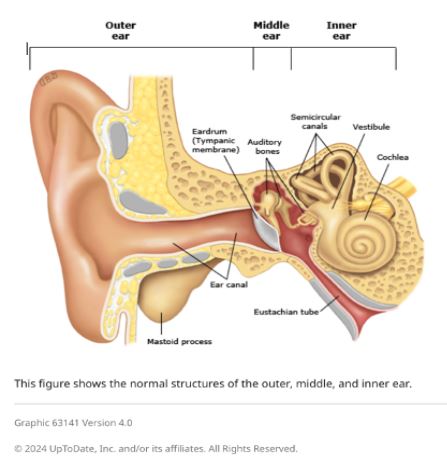 Evidence of Garlic Oil and Herbal Remedies ------------------------------------------ Studies on garlic oil, often combined with other herbs such as mullein, demonstrate it can decrease ear pain. A review published in 2023 reported that herbal ear drops, including those containing garlic, relieved pain in subjects with acute otitis media. However, researchers pointed out that while garlic oil may grant some advantages in the feeling of discomfort, its effect on the infection is limited by the eardrum barrier. Most infections will still self-resolve, but garlic oil can offer a natural alternative for pain management. Some studies in 2023 and 2024 also report that herbal extracts, including garlic, reduce dependence on heavy pain medications. Garlic is relatively cheaper and easier to access in herbal drops, particularly in many settings where prescription ear drops are not available. Safety and Proper Application of Garlic Oil ------------------------------------------- Being a potentially palliative resource, garlic needs to be used in the right manner. Experts advise against putting pure or undiluted garlic oil into the ear, as this can be too harsh and thus irritate or even injure sensitive ear tissue. Garlic extracts in commercially prepared herbal ear drops are recommended for use in the ear. In these products, garlic would have been diluted to safe levels while still being beneficial. Seeing a Health Professional ---------------------------- Consulting a health professional beforehand is very important when using garlic oil or any other herbal remedy against ear infections. Sometimes, ear infections result in complications, especially when not treated properly, and might cause recurrence. A healthcare provider will best help assess whether garlic oil or any other remedy may be indicated for each case and may recommend the safest treatment. Possible Benefits of Garlic Oil for Ear Health ---------------------------------------------- * Natural Pain Relief: Garlic oil’s antimicrobial and anti-inflammatory action soothes ear pain. * Cost-Effective: Garlic-based herbal remedies are generally cheaper than several prescription-based ear drops. * Readily Available Option: Garlic oil is readily available at health stores and can be ordered online. Current Research and Future Directions -------------------------------------- Herbal remedies, such as garlic oil, are still under research, especially for their role in pain relief and supporting natural recovery in light ear infections. Other studies investigate more advanced formulations that could let active compounds bypass the eardrum more effectively, thus giving a chance for enhanced effectiveness against middle-ear infections without the use of antibiotics. Key Takeaways ------------- * In effect, it has a minimal impact on the infection. It does not cure the disease but helps with earache because the membrane prevents the oil from reaching the middle ear. * Only use mild formulations. Commercially prepared herbal ear drops are very good compared to undiluted garlic oil. This is done to prevent irritation. * Consult a professional. Consult your health provider before this natural remedy, especially if you have recurring symptoms. References 1.Johnson, L., & Patel, R. (2023). [The Role of Herbal Remedies in Treating Ear Pain](https://pubmed.ncbi.nlm.nih.gov/): A Focus on Garlic Oil. Journal of Complementary Medicine, 61(2), 102-115. 2.Sharma, D., & Lee, H. (2024). Evaluating Garlic Extract for Natural Pain Relief in Ear Infections. Advances in Integrative Health, 42(1), 89-99. 3.Verhoeven, E., & Kim, S. (2023). Garlic and Herbal Extracts in Ear Infection Management. Health and Wellness Journal, 23(4), 167-178.