Getting Started with Nabta Health; Your 101 Guide to Pregnancy Week by Week
Iman Saad • August 31, 2022 • 5 min read

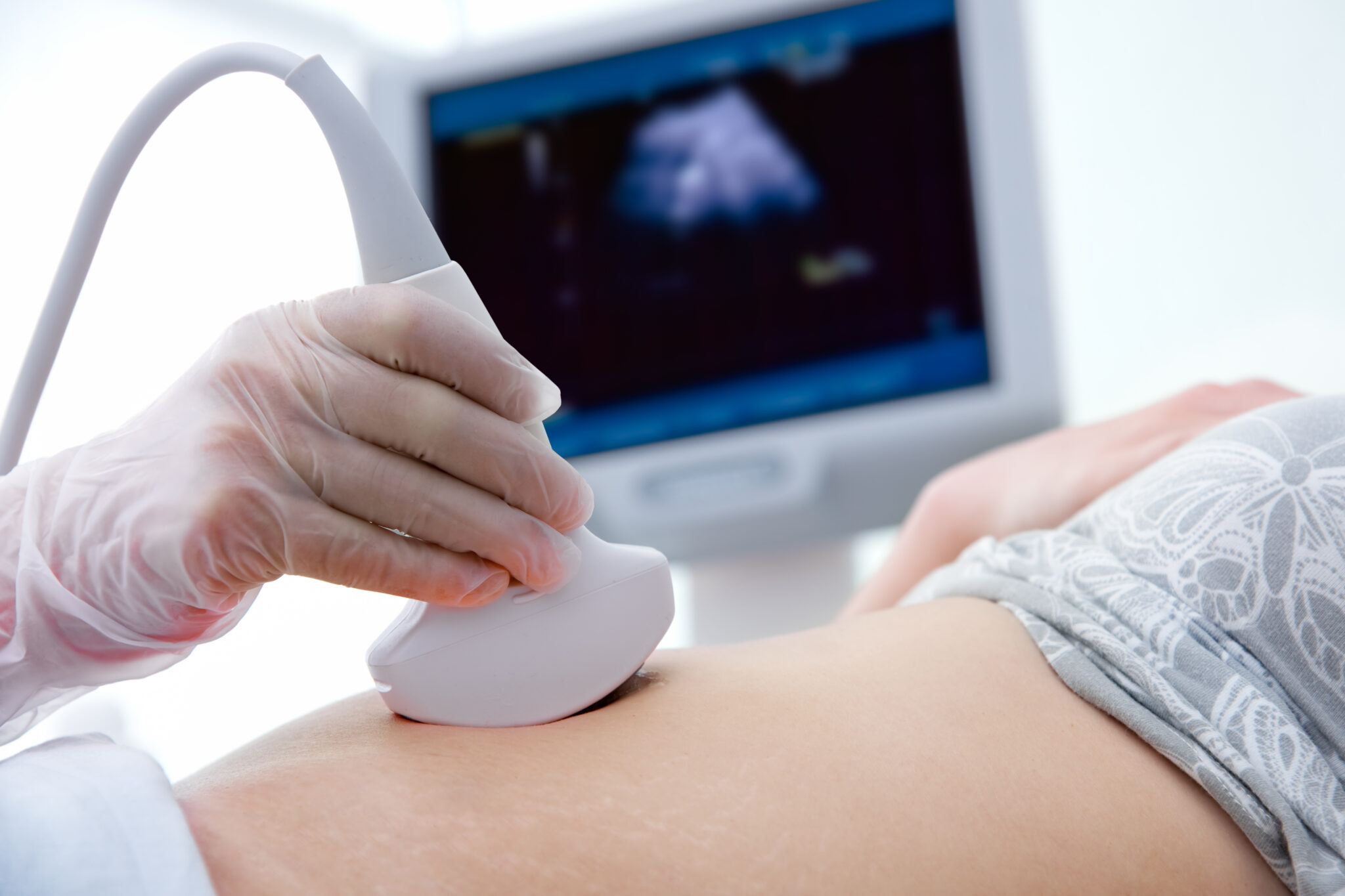
_Week 1: Y_ou aren’t officially pregnant yet, but your pregnancy will be dated from the first day of your last menstrual period, making this week 1. Congratulations! You are menstruating (shedding your uterus lining and last cycle’s unfertilised egg] and a new cycle is starting.
Now is a good time to start your prenatal vitamins, cut back on alcohol and smoking, and follow a healthy and balanced diet.
Week 2: You haven’t conceived yet. Your body is preparing to ovulate. You’ll notice your cervical mucus changes in volume, texture, and colour as your fertility increases. Just before ovulation your cervical mucus will be thinner and cloudy, or yellowish, and your basal body temperature (BBT) will drop.
Week 3: You are at your most fertile. During ovulation your cervical mucus is the colour and consistency of egg whites and your BBT rises. An egg is released from one of your ovaries into your fallopian tubes and waits to be fertilised by a sperm. Your egg can wait for 12-24 hours for a sperm to successfully push through its outer surface.
You’ve conceived! Your fertilised single cell zygote will divide and multiply rapidly over the coming days. This cell cluster, the blastocyst, then travels from your fallopian tubes to your uterus.
Week 4: The blastocyst arrives in your uterus and implants in your uterine lining. You may notice some implantation spotting or bleeding, no need to worry, this is normal. Now connected to you, the blastocyst divides into the embryo (your baby) and the placenta which will soon take over from the yolk sac to nourish your baby and remove waste.
Your pregnancy hormones will start to kick in around now and you may start to feel some hormonal symptoms such as mood swings and tender breasts. Your embryo is the size of a poppy seed this week.
Week 5: Your period is late and with your hCG levels now high enough to return a positive home pregnancy test things are getting exciting.
Your body’s working overtime to establish the placenta and major organs and systems in the embryo, which is now the size of an apple pip. You’ll probably start to feel some fatigue and light nausea this week and you might notice those famous pregnancy food cravings (and aversions) kick in.
Week 6: Your baby is growing quickly and is the size of a pea, with the look of a tiny tadpole! Organs are continuing to develop and an ultrasound might detect your baby’s heartbeat now. The neural tube is closing – the spinal cord and brain will develop from this – and small buds are the start of arms forming.
Your pregnancy symptoms are more pronounced. Fatigue, nausea (morning sickness), tender breasts, bloating and indigestion are all common. And with your growing uterus putting pressure on your bladder, you may need to urinate more frequently.
Week 7: This week your baby is the size of a blueberry. Its brain cells and face start to develop, small leg buds will form, and the little arm buds will lengthen.
The pregnancy hormones oestrogen and progesterone are responsible for your sore, swollen breasts. Your food aversions, nausea, heartburn, need to pee and utter exhaustion aren’t going away anytime soon. But you are building a baby!
Week 8: Your baby is the size of a kidney bean. Fingers and facial features are forming, and retinas are developing (although you won’t know the colour of your baby’s eyes for another 7 months). Your baby’s internal sexual organs also start to grow now.
You can add tightening clothes (your uterus is the size of a tennis ball right now), vaginal discharge and constipation to the list of pregnancy symptoms. Remember to go easy on yourself, you are creating a little human.
Week 9: Your baby is the size of an olive. Arms lengthen, elbows appear, and toes are forming. The spinal cord ‘tadpole tail’ has almost gone and your baby’s heartbeat is strong enough for your doctor to hear using a doppler device.
Extreme pregnancy fatigue takes over. This is normal; your body’s coping with a spike in hormone and metabolism levels and is working flat out to develop a healthy placenta for your baby.
Week 10: Your baby is the size of a strawberry. Now officially a foetus, your baby’s head is rounder, eyelids and ears continue to develop, elbows can bend, and fingers and toes are lengthening. What’s more, tooth buds are now forming under the gums.
You are probably seeing some roundness in your lower belly now (your uterus is the size of a large orange). Nausea, constipation, and indigestion may be making life uncomfortable, and the fatigue isn’t going anywhere. Remember to keep your fluids up.
Week 11: Your baby is the size of a fig. Its head is oversized at about half the length of its body; but this will soon catch up. Eyes are wide apart, eyelids are fused shut, and ears are low. Your baby’s external reproductive organs start to grow but it will keep you guessing its gender for now.
With your body pumping 50% more blood you may feel hot and dizzy. Morning sickness might ease while your appetite increases. Try to eat delicious and nutritious food and not give into the temptation to eat for two!
Week 12: Your baby is the size of a plum. The placenta has taken over from the yolk sac and is nourishing your growing baby. Your baby’s internal organs and muscles are now fully formed, skeletal bones are hardening, and nails are forming.
Some women will notice their hair and nails growing stronger and shinier, and the arrival of the ‘mask of pregnancy’ (chloasma), triggered by hormonal changes. Your early pregnancy symptoms of nausea, need to pee and indigestion may be lessening now.
Week 13: Your baby is the size of a lemon. Your baby is swallowing amniotic fluid, and its kidneys are making and releasing urine. Its head is now a third of its body length, vocal cords are forming, and you might see your baby making jerky movements on an ultrasound. You won’t feel these flutters and kicks for a few more weeks though.
You are in your second trimester and it’s all starting to feel more real! Your uterus is pushing up and out and you might be thinking about your maternity wardrobe. Headaches, nosebleeds, and bleeding gums sometimes show up around this time; try using a toothbrush for sensitive gums.
Week 14: Your baby is the size of a nectarine. Hair follicles are forming, and senses of taste and smell are developing. External sex organs are in place. And your baby can suck its thumb and make facial expressions now!
You are in the ‘honeymoon’ period of your pregnancy (in theory!). Hopefully you are feeling less tired and nauseous, and more energetic. You may experience a jabbing ‘round ligament pain’ in your lower abdomen, caused by your expanding uterus – why not put your feet up and rest a little.
Week 15: Your baby is the size of a pear. And it might have hiccups! Facial features are moving into position and a scalp pattern is forming. Your baby is growing rapidly and becoming more active. Its developing bones will soon show on an ultrasound.
As your bump grows your belly skin might be feeling itchy, try massaging in some unscented lotion. Apart from the common pregnancy symptoms, bleeding gums, nosebleeds, and increased vaginal discharge… you are feeling more energised this week. People may even comment on your pregnancy ‘glow’.
Week 16: Your baby is the size of an avocado. As your baby’s muscles and bones strengthen, its head straightens in line with its body, and movements become more coordinated. Your baby’s eyes are moving beneath its closed eyelids, skin is thickening, and facial hair is appearing.
Be aware that urinary tract and vaginal infections (you’ll have noticed an increase in vaginal discharge) are more common now. You’ll find your weight increases as your baby grows. Remember to eat a healthy diet and stay active. Walking, swimming, pregnancy yoga and Pilates are all ideal for exercise during pregnancy. Ask your doctor if you aren’t sure.
Week 17: Your baby is the size of a pomegranate. And you might feel your baby move this week! Those little flutters could be kicks, or backflips, or hiccups. You won’t know for sure but isn’t it exciting. Your baby is also developing fat stores for energy and insulation. And it now has its own unique fingerprints.
Your bump is getting bigger and is beginning to show. With your organs making space for your growing bump and placenta the indigestion is back. You may also notice an increase in breast size due to hormones and milk-producing glands.
Week 18: Your baby is the size of a sweet potato. Eyes are moving into position, ears are standing out, and your baby might start hearing muffled sounds this week. Myelin, an insulating substance, now coats and protects the spinal cord and nervous system, helping messages travel along nerve pathways faster. And your baby’s digestive system is working. It’s all going on!
Your linea nigra (or pregnancy line) is showing and you have the odd dizzy spell as your centre of gravity shifts and your blood pressure dips mid-pregnancy. Avoid standing for long periods and keep your fluids up.
Week 19: Your baby is the size of a mango. Arms and legs are in proportion with the body and its little wriggles are still flutters. Vernix caseosa, a white wax-like coating will soon cover your baby, protecting its delicate skin during its months sitting in amniotic fluid.
Round ligament pain, dizziness, constipation, and now maybe backaches and leg cramps. Your appetite is good though (remember to eat healthy amounts of fibre to keep things moving) and you’ll hopefully still be feeling bursts of energy.
Week 20: Your baby is the size of a bell pepper. Your baby is developing its own sleep-wake cycle and might even wake to the sound of your voice. You can see your baby’s gender on an ultrasound now. If it’s a little girl she already has 6-7 million eggs in her tiny ovaries, imagine that!
You’re halfway through your second trimester. Your bump is popping, and your tummy button looks different (is your innie now an outie?) It’s normal to feel breathless at times. This is due to pregnancy hormones and your growing uterus now pushing against your lungs.
Week 21: Your baby is the size of a banana. And it’s now heavier than the placenta. A thin downy layer of hair called lanugo helps bind the vernix to your baby’s skin. Bone marrow begins to take over red blood cell production from the liver and spleen. And you can now hear your baby’s heartbeat with a stethoscope, does it sound like galloping horses?
You continue to experience common second trimester symptoms. You may also notice new stretch marks, swelling in your feet and ankles, and varicose veins (thanks to your changing hormones and the weight of your growing uterus). For relief, go for a swim or have a bath, keep your fluids up, and take your weight off your feet when you can.
Week 22: Your baby is the size of a papaya. Eyebrows and hair are visible. Tear ducts are forming, and although eyes are still shut, they are sensitive to light. Your baby’s sense of touch is developing, it can reach out and grab the umbilical cord.
The hormone relaxin loosens ligaments around your pelvis to prepare for childbirth. This increased mobility can lead to pelvic, hip, and other joint pain. Avoid heavy lifting or standing for too long. Oh, and your indigestion is off the charts. On the plus side, your hair is lustrous, and everyone says you have that pregnancy bloom.
Week 23: Your baby is the size of an eggplant. The lungs are learning to breathe, while the placenta still provides all the baby’s oxygen in the uterus. Fat and muscle are building and your baby is more active. You can definitely feel those kicks now. Pay attention and you’ll soon identify your baby’s regular patterns of movement.
Your growing bump may be attracting attention. And you’ll find everyone has a theory about your baby’s gender based on the shape of your belly! Leg cramps are more common. Try to stretch and flex your foot to ease the cramping.
Week 24: Your baby is the size of a rockmelon. Your baby’s taste buds are becoming more sensitive and when your baby swallows amniotic fluid it can taste the food and drinks you have been eating! Your baby’s skin is still wrinkled and translucent; the fat it is adding will help smooth the wrinkles and regulate body temperature.
The top of your uterus reaches just above your tummy button. You might start to feel sporadic Braxton Hicks ‘practice’ contractions when your bump briefly tightens and relaxes. Your uterus is preparing for labour. Now is a good time to start doing gentle pelvic floor exercises. During weeks 24-28 a glucose intolerance test will check for signs of gestational diabetes.
Week 25: Your baby is the size of a cauliflower. Senses are still evolving, and nostrils are unplugged, ready to smell and breathe fresh air in a few months. Your baby is looking pinker due to capillaries forming under the skin. The brain, lungs, nervous and digestive systems are all developing rapidly.
Guess what, your uterus is now the size of a football! Unsurprisingly, your growing uterus puts pressure on your stomach and organs, which affects digestion. Your belly size (also known as the fundal height) is measured by the distance between your pubic bone and top of the uterus.
Week 26: Your baby is the size of an iceberg lettuce. Your baby’s startle reflexes are working, and you might feel a sharp jab in response to sudden loud sounds. Eyelashes are sprouting and your baby’s eyelids will open this week. The retinas are developed but the iris pigmentation, which determines your baby’s eye colour, is still filling in.
You might feel tired and uncoordinated as you grapple with pregnancy insomnia and sharing your body with your growing baby. If you seem more forgetful than usual this is normal – ‘baby brain’ really is a thing. Go easy on yourself and if anything doesn’t feel right talk to your doctor.
Week 27: Your baby is the size of a zucchini. If you are carrying a boy the testicles drop into the scrotum around now. Your baby is gaining fat and weight and is moving around more and changing positions. Get a sense for your baby’s activity and alert your doctor if you notice decreased fetal movement.
You are in the final week of the second trimester! Your breasts feel heavier due to the growth of glandular, milk-making, tissue. If you feel bloated drink lots of fluids and eat foods high in fibre, and fresh fruit and veg. And you may find it more comfortable to sleep on your side.
Week 28: Your baby is the size of an eggplant. Your baby is making more facial expressions and an ultrasound might show your baby sticking out its tongue! Your baby’s nervous system can control breathing movements (fresh air breathing comes later) and regulate temperature. This is also a time of rapid brain growth.
You’re in your third trimester. You and your baby still have some growing to do. You may feel more back and pelvic discomfort, and need to pee frequently, as the bump puts pressure on your bladder, pelvis, and lower back. Keep up the light activity and stretching.
Week 29: Your baby is the size of a butternut squash. Calcium intake is up, bones are strengthening, and your baby is adding fat and weight. This will continue until birth. Your baby is busy in there: kicking, turning, stretching, and grabbing…you may see your tummy forming odd shapes!
Your healthcare team might talk to you about a birth plan if you don’t have one. Restless legs syndrome (RLS) is common during the third trimester. If RLS is keeping you up at night (along with the heartburn, need to pee, insomnia, and leg cramps…) now is a good time to check your iron levels, and continue the gentle daytime exercise.
Week 30: Your baby is the size of a pomelo. If you feel a repetitive tapping your baby might have hiccups. Don’t worry, they are totally normal. They could even be from the food you ate! Your baby’s skin is thicker now and the downy lanugo covering your baby’s body is falling away.
You’re starting to feel tired again and everyone wants to touch your belly. Regular gentle exercise will help you sleep better, manage the aches and pains, and stay strong for labour. Take the pressure off those varicose veins with regular feet-up time.
Week 31: Your baby is the size of a pineapple. Brain connections are developing, eyes are open and eyelids are blinking (slowly at first). Your baby’s lungs are still maturing and its bones are hardening.
You are in the home stretch. Your expanding uterus is now a couple of inches above your belly button. This is putting pressure on your diaphragm and lungs, making it hard for you to catch your breath. You may find your breasts start leaking small amounts of creamy yellowish colostrum.
Week 32: Your baby is the size of a small pumpkin. Your baby continues to add weight, making your uterus less roomy by the day. Finger and toenails are growing, they may even need clipping by the time your baby arrives in the world. A lot of babies move into head-down position around now. Some will keep flipping around, others will stay in bottom-down position (breech) just before birth.
Your face may feel puffy due to water retention. Always mention any puffiness or swelling to your doctor. Your baby’s head-down position is increasing the weight on your bladder, you need to pee little and often! Remember to keep up your pelvic floor exercises.
Week 33: Your baby is as big as a celery head. All five senses are well-developed now. Your baby can hear and react to your voice, and your baby’s pupils can respond to light changes. While your baby’s bones are hardening, the skull will stay soft and flexible to fit through the birth canal.
You are overheating (that’s hormones for you), headachy, out of breath, you need to pee all the time, and you have pelvic pain. Oh, and you aren’t sleeping (and everyone is telling you to sleep while you can)! But you are also nesting and feeling some nervous anticipation. Remember to sign up for antenatal classes.
Week 34: Your baby is the size of a honeydew melon. The vernix protecting your baby’s skin is coming off in the amniotic fluid which reaches its highest volume this week. Wriggling, swallowing, and breathing in the amniotic fluid helps your baby’s muscles, bones, digestive system, and lungs mature.
To ease your heartburn try eating regular small meals during the day and avoid rich, spicy foods. Blurry vision and dry eyes can cause discomfort at this stage. Eyedrops help, and if you are a contact lens wearer you may find it more comfortable to wear glasses.
Week 35: Your baby is the size of a honeydew melon. Your baby’s brain is going through another period of explosive development in neurons and wiring. In fact, your baby’s brain weight increases by a third in the third trimester. The skin has filled out and is plumper. Your baby is putting on around half a pound a week.
It’s normal for your baby to feel more wriggly in the last few weeks of pregnancy. It’s a squash in there and you can feel your baby jostling for space. Contact your healthcare team if your baby’s movements seem less regular. Pack your hospital bag and do a dummy hospital run if you haven’t already.
Week 36: Your baby is the size of coconut. Things are getting cramped in your uterus. Your curled up baby has an established sleep-wake cycle and hearing is sharper. Your baby is now considered ‘late preterm’ or ‘near-term’. While still maturing, if born now your baby would need little, if any, assistance after delivery.
You will have your group B strep swab this week to check for group B streptococcus. Your midwife will check your baby’s presentation (position). Your baby may engage this week. This is when the head drops into your pelvis and means your baby is in position for labour. Don’t worry if the head doesn’t engage yet, the timing is different for everyone. Your midwife will also go through your birth plan.
Week 37: Your baby is the size of chard. Although ‘early term’ at 37 weeks, your baby could arrive any day now. In the meantime, your baby is fine-tuning facial expressions, sucking its thumb and swallowing. Lungs, brain and liver are still maturing, and the digestive system will continue to develop during your baby’s first few years of life.
Your body is preparing for labour and delivery. If your baby’s head has dropped into your pelvis you’ll notice pressure here and a ‘lightening’ around your diaphragm and lungs. If your baby is still in breech position your doctor might talk to you about options to turn your baby. Any painless Braxton Hicks should ease when you change positions. Contact your healthcare team if you feel regular, increasingly strong contractions that don’t ease when you move.
Week 38: Your baby is the size of a rhubarb. You are still ‘early term’ and your baby has shed most lanugo. Your baby’s grasp is firm, practising by grabbing fingers and the umbilical cord. Your baby is adding weight daily, with head and abdomen now the same circumference.
You’ll notice an increase in thin white vaginal discharge. This is normal. Look out for the mucous plug, bloody show and any sign of your waters breaking. Keep rubbing lotion on that tummy to soothe your stretched skin. If you can, take the weight off your swollen feet and ankles. Your nesting instinct is strong; now is a good time to fill your freezer with delicious nutritious meals.
Week 39: Your baby is the size of a watermelon. Congratulations! You are ‘full term’. Your baby’s entrance into the world may still be a week or two away, but your baby’s lungs and vocal cords are now strong enough to take breaths and cry out in the world. Your baby is still building up essential fat for temperature regulation after birth.
With your baby’s head putting pressure at the bottom of your bump you feel you are waddling about! This is a common sensation for this stage of pregnancy. Rest as much as possible, keep your fluids up, and try to sleep on your side. If you notice any signs of preeclampsia – headache, swollen face and hands, nausea, changes in vision – contact your healthcare team immediately.
Week 40: Your baby is the size of a… slightly larger watermelon! Your baby is still putting on around half a pound a week in preparation for life outside the womb. Don’t worry if your baby isn’t quite ready to leave its cosy home, about a third of babies are born after the due date..
Keep monitoring fetal movement. There isn’t much room for wriggling, but if you are concerned your baby’s movements have decreased contact your healthcare team straightaway. A good tip is to drink a large glass of cold orange juice and lie down – you should feel at least 10 nudges in an hour.
You probably feel like you’ve been pregnant forever. Why not go for a long walk or practise your breathing techniques and some birthing positions while you wait for your baby? The wait is nearly over…
Download the Nabta App


Related Articles

9 Natural Induction Methods Examined: What Does the Evidence Say?
Towards the end of [pregnancies](https://nabtahealth.com/article/ectopic-pregnancies-why-do-they-happen/), many women try methods of natural induction. The evidence supporting various traditional methods is variable, and benefits, side effects, and notable potential health risks are present. Understanding what science says can help individuals make informed choices in consultation with a provider. Induction of Natural Labour induction Myths, Realities and Precautions ---------------------------------------------------------------------- The following section will review nine standard natural induction methods, discussing the proposed mechanism, evidence, and safety considerations. Avoid potential hazards by avoiding risky labor triggers and get advice from your [obstetrician](https://nabtahealth.com/glossary/obstetrician/) before choosing any method mentioned below. Castor Oil ---------- Castor oil has been used throughout the centuries to induce labor, and studies suggest that it does so on some 58% of occasions. This oil stimulates prostaglandin release, which in turn may have the result of inducing cervical changes. Adverse effects, such as nausea and [diarrhea](https://www.mayoclinic.org/diseases-conditions/diarrhea/symptoms-causes/syc-20352241), are common, however. Castor oil should be used near the [due date](https://nabtahealth.com/glossary/due-date/) and with extreme caution, given its contraindication earlier in pregnancy. Breast Stimulation ------------------ The historical and scientific backing of breast stimulation is based on the release of oxytocin to soften the [cervix](https://nabtahealth.com/glossary/cervix/). A study has shown that, with this method, cervical ripening may be achieved in about 37% of cases. However, excessive stimulation may cause uterine hyperstimulation, and guidance from professionals may be essential. Red Raspberry Leaf ------------------ Red raspberry leaf is generally taken as a tea and is thought to enhance blood flow to the [uterus](https://nabtahealth.com/glossary/uterus/) and stimulate [contractions](https://nabtahealth.com/glossary/contraction/). Traditional use, however, is tempered by a relative lack of scientific research regarding its effectiveness. Animal studies have suggested possible adverse side effects, and no human data are available that supports a correlation with successful induction of labor. Sex --- Sex is most commonly advised as a natural induction method based on the principle that sex introduces [prostaglandins](https://nabtahealth.com/glossary/prostaglandins/) and oxytocin, and orgasm induces uterine [contractions](https://nabtahealth.com/glossary/contraction/). The few studies in the literature report no significant effect on labor timing. Generally safe for women when pregnancy is otherwise low-risk but may not speed labor. Acupuncture ----------- Acupuncture is a traditional Chinese practice that has been done to stimulate labor through the induction of hormonal responses. However, some studies show its effectiveness in improving cervical ripening but not necessarily inducing active labor. An experienced practitioner would appropriately consult its safe application during pregnancy. Blue and Black Cohosh --------------------- Native American groups traditionally utilize blue and black cohosh plants for gynecological use. These plants are highly discouraged nowadays from inducing labor because of the risk of toxicity they may bring. Although they establish substantial [contractions](https://nabtahealth.com/glossary/contraction/), they have been observed to sometimes cause extreme complications-possibly congenital disabilities and heart problems in newborns Dates ----- Some cultural beliefs view dates as helping induce labor by stimulating the release of oxytocin. They do not help stimulate uterine [contractions](https://nabtahealth.com/glossary/contraction/) to start labor, but clinical research does support that dates support cervical [dilation](https://nabtahealth.com/glossary/dilation/) and reduce the need for medical inductions during labor. They also support less hemorrhaging post-delivery when consumed later in pregnancy. Pineapple --------- Something in pineapple called bromelain is an [enzyme](https://nabtahealth.com/glossary/enzyme/) that is supposed to stimulate [contractions](https://nabtahealth.com/glossary/contraction/) of the [uterus](https://nabtahealth.com/glossary/uterus/). Animal tissue studies have determined it would only work if applied directly to the tissue, so it’s doubtful this is a natural method for inducing labor. Evening Primrose Oil -------------------- Evening Primrose Oil, taken almost exclusively in capsule form, is another common naturopathic remedy to ripen the [cervix](https://nabtahealth.com/glossary/cervix/). Still, studies are very few and indicate a greater risk of labor complications, such as intervention during delivery, and it is not recommended very often. Safety and Consultation ----------------------- Many of these methods are extremely popular; however, most are unsupported by scientific data. Any method should be discussed with a healthcare provider because all may be contraindicated depending on gestational age, maternal health, and pregnancy risk levels. Try going for a walk, have a warm bath and relax while you’re waiting for your baby. “Optimal fetal positioning,” can help baby to come into a better position to support labor. You can try sitting upright and leaning forward by sitting on a chair backward. Conclusion ---------- Natural methods of inducing labor vary widely in efficacy and safety. Practices like breast stimulation and dates confer some benefits, while others, such as those involving castor oil and blue cohosh, carry risks. Based on the available evidence, decisions about labor induction through healthcare providers are usually the safest. You can track your menstrual cycle and get [personalised support by using the Nabta app](https://nabtahealth.com/nabta-app/). Get in touch if you have any questions about this article or any aspect of women’s health. We’re here for you. Sources : 1.S. M. Okun, R. A. Lydon-Rochelle, and L. L. Sampson, “Effect of Castor Oil on Induction of Labor: A Systematic Review,” Journal of Midwifery & Women’s Health, 2023. 2.T. K. Ford, H. H. Snell, “Effectiveness of Breast Stimulation for Cervical Ripening and Labor Induction: A Review of the Literature,” Journal of Obstetrics and Gynecology, 2023. 3.R. E. Smith, D. M. Wilson, “Red Raspberry Leaf and Its Role in Pregnancy and Labor: A Critical Review,” Alternative Medicine Journal, 2024. 4.A. L. Jameson, “Sexual Activity and Its Effect on Labor Induction: A Review,” International Journal of Obstetrics, 2023. 5.B. C. Zhang, Z. W. Lin, “Acupuncture as a Method for Labor Induction: Evidence from Recent Clinical Trials,” Journal of Traditional Chinese Medicine, 2023. 6.D. K. Patel, J. M. Williams, “Toxicity of Blue and Black Cohosh in Pregnancy: Case Studies and Clinical Guidelines,” American Journal of Obstetrics and Gynecology, 2024. 7.M. J. Abdullah, F. E. Azzam, “The Role of Dates in Pregnancy: A Review of Effects on Labor and Birth Outcomes,” Nutrition in Pregnancy, 2024. 8.S. L. Chung, L. M. Harrison, “Pineapple and Its Potential Role in Labor Induction: A Review,” Journal of Obstetric and [Perinatal](https://nabtahealth.com/glossary/perinatal/) Research, 2023. 9.L. M. Weston, A. R. Franklin, “Evening Primrose Oil for Labor Induction: A Comprehensive Review,” Journal of Alternative Therapies in Pregnancy, 2024. Patient Information Induction of labour Women’s Services. (n.d.). Retrieved November 9, 2024, from https://www.enherts-tr.nhs.uk/wp-content/uploads/2019/10/Induction-of-Labour-v5-09.2020-web.pdf

Gynoid Fat (Hip Fat and Thigh Fat): Possible Role in Fertility
Gynoid fat accumulates around the hips and thighs, while android fat settles in the abdominal region. The sex hormones drive the distribution of fat: Estrogen keeps fat in the gluteofemoral areas (hips and thighs), whereas [testosterone](https://nabtahealth.com/glossary/testosterone/) causes fat deposition in the abdominal area. Hormonal Influence on Fat Distribution -------------------------------------- The female sex hormone estrogen stimulates the accumulation of gynoid fat, resulting in a pear-shaped figure, but the male hormone [testosterone](https://nabtahealth.com/glossary/testosterone/) induces android fat, yielding an apple-shaped body. Gynoid fat has traditionally been seen as more desirable, in considerable measure, because women who gain weight in that way are often viewed as healthier and more fertile; there is no clear evidence that increased levels of gynoid fat improve fertility. Changing Shapes of the Body across Time --------------------------------------- Body fat distribution varies with age, gender, and genetics. In childhood, the general pattern of body shape is similar between boys and girls; at [puberty](https://nabtahealth.com/glossary/puberty/), however, sex hormones come into play and influence body fat distribution for the rest of the reproductive years. Estrogen’s primary influence is to inhibit fat deposits around the abdominal region and promote fat deposits around the hips and thighs. On the other hand, [testosterone](https://nabtahealth.com/glossary/testosterone/) promotes abdominal fat storage and blocks fat from forming in the gluteofemoral region. In women, disorders like [PCOS](https://nabtahealth.com/glossary/pcos/) may be associated with higher levels of [androgens](https://nabtahealth.com/glossary/androgen/) including [testosterone](https://nabtahealth.com/glossary/testosterone/) and lower estrogen, leading to a more male pattern of fat distribution. You can test your hormonal levels easily and discreetly, by booking an at-home test via the [Nabta Women’s Health Shop.](https://shop.nabtahealth.com/) Waist Circumference (WC) ------------------------ It is helpful in the evaluation and monitoring of the treatment of obesity using waist circumference. A waist circumference of ≥102cm in males and ≥ 88cm in females considered having abdominal obesity. Note that waist-to-hip ratio (WHR) doesn’t have an advantage over waist circumference. After [menopause](https://nabtahealth.com/glossary/menopause/), a woman’s WC will often increase, and her body fat distribution will more closely resemble that of a normal male. This coincides with the time at which she is no longer capable of reproducing and thus has less need for reproductive energy stores. Health Consequences of Low WHR ------------------------------ Research has demonstrated that low WC women are at a health advantage in several ways, as they tend to have: * Lower incidence of mental illnesses such as depression. * Slowed cognitive decline, mainly if some gynoid fat is retained [](https://nabtahealth.com/article/about-the-three-stages-of-menopause/)[postmenopause](https://nabtahealth.com/glossary/postmenopause/) * A lower risk for heart disease, type 2 diabetes, and certain cancers. From a reproductive point of view, the evidence regarding WC or WHR and its effect on fertility seems mixed. Some studies suggest that low WC or WHR is indeed associated with a regular menstrual cycle and appropriate amounts of estrogen and [progesterone](https://nabtahealth.com/glossary/progesterone/) during [ovulation](https://nabtahealth.com/glossary/ovulation/), which may suggest better fecundity. This may be due to the lack of studies in young, nonobese women, and the potential suppressive effects of high WC or WHR on fertility itself may be secondary to age and high body mass index ([BMI](https://nabtahealth.com/glossary/bmi/)). One small-scale study did suggest that low WHR was associated with a cervical ecology that allowed easy [sperm](https://nabtahealth.com/glossary/sperm/) penetration, but that would be very hard to verify. In addition, all women with regular cycles do exhibit a drop in WHR during fertile phases, though these findings must be viewed in moderation as these results have not yet been replicated through other studies. Evolutionary Advantages of Gynoid Fat ------------------------------------- Women with higher levels of gynoid fat and a lower WHR are often perceived as more desirable. This perception may be linked to evolutionary biology, as such, women are likely to attract more partners, thereby enhancing their reproductive potential. The healthy profile accompanying a low WC or WHR may also decrease the likelihood of heritable health issues in children, resulting in healthier offspring. Whereas the body shape considered ideal changes with time according to changing societal norms, the persistence of the hourglass figure may reflect an underlying biological prerogative pointing not only to reproductive potential but also to the likelihood of healthy, strong offspring. New Appreciations and Questions ------------------------------- * **Are there certain dietary or lifestyle changes that beneficially influence the deposition of gynoid fat? ** Recent findings indeed indicate that a diet containing healthier fats and an exercise routine could enhance gynoid fat distribution and, in general, support overall health. * **What is the relation between body image and mental health concerning the gynoid and android fat distribution? ** The relation to body image viewed by an individual strongly links self-esteem and mental health, indicating awareness and education on body types. * **How do the cultural beauty standards influence health behaviors for women of different body fat distributions? ** Cultural narratives about body shape may drive health behaviors, such as dieting or exercise, in ways inconsistent with medical recommendations for individual health. **References** 1.Shin, H., & Park, J. (2024). Hormonal Influences on Body Fat Distribution: A Review. Endocrine Reviews, 45(2), 123-135. 2.Roberts, J. S., & Meade, C. (2023). The Effects of WHR on Health Outcomes in Women: A Systematic Review. Obesity Reviews, 24(4), e13456. 3.Chen, M. J., & Li, Y. (2023). Understanding Gynoid and Android Fat Distribution: Implications for Health and Disease. Journal of Women’s Health, 32(3), 456-467. 4.Hayashi, T., et al. (2023). Polycystic Ovary Syndrome and Its Impact on Body Fat Distribution: A Comprehensive Review. Frontiers in Endocrinology, 14, 234-241. 5.O’Connor, R., & Murphy, E. (2023). Sex Hormones and Fat Distribution in Women: An Updated Review. [Metabolism](https://nabtahealth.com/glossary/metabolism/) Clinical and Experimental, 143, 155-162. 6.Thomson, R., & Baker, M. (2024). Body Image, Self-Esteem, and Mental Health: The Role of Fat Distribution. Health Psychology Review, 18(1), 45-60. 7.Verma, P., & Gupta, A. (2023). Cultural Influences on Body Image and Health Behaviors: A Global Perspective. International Journal of Environmental Research and Public Health ([MDPI](https://www.mdpi.com/journal/ijerph)), 20(5), 3021.

Why Does my Toddler Want to be Naked? (2024)
Find out why toddler want to be naked and get simple tips to manage it calmly, including sensory needs, new skills, and setting routines, The toddler years are marked by a variety of developmental milestones, one of which is the ability to dress and undress independently. While this new skill can be exciting for children, it can often [lead](https://nabtahealth.com/glossary/lead/) to inconvenient or embarrassing situations for parents, such as toddlers wanting to be naked all the time. However, this behavior is quite common and typically not a cause for concern. Why Toddlers Want to Be Naked ----------------------------- * **Sensory Input:** The main possible reasons toddlers like to keep naked include sensory input. Clothing such as seams within socks or shirt tags may be uncomfortable for a child, and this sensation of discomfort may make them remove their clothes frequently. If you suspect the child is extremely sensitive to a trivial input, it may indicate a problem like sensory processing disorder, for which the pediatrician can be consulted. * **Undressing as an Achievable Developmental Milestone**: One needs to consider that this might be one of the primary ways a toddler achieves a milestone in their development. They may feel proud of their new skill and want to share it with others, no matter how frustrating this may be for the parent. * **Attention Seeking**: The toddler may sometimes undress for attention; this is particularly true if the parent responds strongly to the behavior. The reaction from a frustrated or embarrassed parent may elicit persistence in undressing with the child to get some form of response. This, therefore, means that how parents react significantly influences behavior. How to Handle Your Toddler’s Nakedness -------------------------------------- * **Stay calm**: Parents should not react humiliatingly to the child instead of getting angry but may respond calmly with no humiliating remarks. The parents may tell their children how good they are at undressing and ask them to wear their clothes. This should be responding neutrally to avoid further exaggeration of the behavior. You might try dialogue like, “Wow! Terrific. I can see you undress yourself like a big kid. Can you get dressed now and show me how you do that?” By acting like the undressing is no more of a big deal than dressing, this may stop the problem in its tracks. * **Allocate Times to be Undressed**: At times, parents will find it beneficial to establish times when the toddler can be undressed, such as in preparation for bath time or within the confines of the home. More often than not, these organized opportunities will enable toddlers to feel less anxious and content with the parameters that have been established. * **Remember, It’s Just a Phase**: Like most [phases of development](https://nabtahealth.com/article/qa-with-raquel-anderson-brain-development-in-a-12-month-old/), the compulsion to be naked shall pass. Children do appear to grow out of it eventually, and parents need a little patience and understanding. **References:** 1.A. R. Turner, P. S. Thompson, “Sensory Processing and the Toddler Years: A Study of Early Childhood Sensory Experiences,” Journal of Developmental Psychology, 2023. 2.M. E. Calloway, J. L. Roberts, “Undressing as a Developmental Milestone in Early Childhood,” Infant and Toddler Development Journal, 2024. 3.S. D. Harris, “Understanding Toddler Behavior: Reactions to Nakedness and Sensory Sensitivity,” Parenting Psychology Quarterly, 2024. 4.L. B. Wilkins, “How to Respond to Common Toddler Behaviors: Positive Guidance Techniques,” Journal of Child Development and Parenting, 2023. **Sources:** * What To Expect * Undressing (preferring to be naked). [American Academy of Pediatrics](https://www.aap.org/) * Emotional Development in Preschoolers. Powered by Bundoo®