Gut Health and Menopause
Live Better With • April 15, 2020 • 5 min read
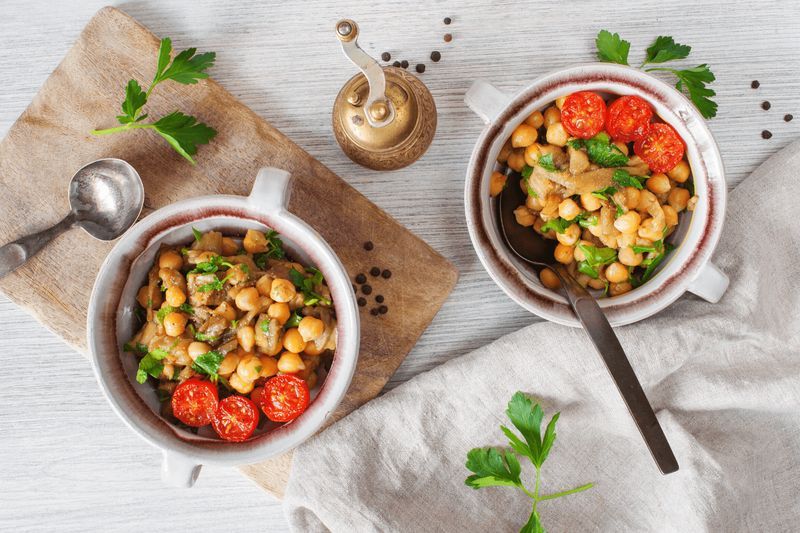
Can you eat to beat menopausal symptoms? Here’s a guide to gut health, microbiomes, gut-friendly foods, and how it all might help you to live better…
Gut health… another buzzword or should we be paying attention? If you’re going through perimenopause or menopause, gut health is something you shouldn’t ignore. We’re learning more all the time about the importance of gut health and the impact it has on our general health, on specific conditions and diseases, and at various stages of our lives, including menopause.
But what exactly is good gut health? And what’s the relationship between gut health and menopause? Several things have a major impact on gut health but, in this article, we’re focusing on food. We’ve looked at the latest findings to help you make informed decisions about what and how you eat – because it could make a significant difference to your menopausal symptoms.
What do we mean by good gut health?
Your digestive tract (your gut) is home to millions –trillions, in fact – of bacteria, known as gut microbes. Many of these are good for you and have a direct impact on your health. A healthy gut has a rich diversity of microbes and has an important role to play in combating conditions such as diabetes, heart disease and obesity, as well as tackling inflammation, which is linked to auto-immune diseases.
If you read anything about gut health, you’ll come across the words microbiota and microbiome. But what do they mean?
As Nicola Davies explained, in this article, ‘…our bodies harbour a huge array of micro-organisms. While bacteria are the biggest players, we also host single-celled organisms known as archaea, as well as fungi, viruses and other microbes – including viruses that attack bacteria. Together these are dubbed the human microbiota. Your body’s microbiome is all the genes your microbiota contains…’
She adds that the terms are often interchanged so, to simplify matters, we’re sticking to the term microbiome.
What affects your gut health?
It’s no surprise that what you eat and drink has a significant effect on your gut health, but so too does the environment, stress, and any medication you might be taking, such as antibiotics or non-steroidal anti-inflammatories (NSAIDS). Hormone levels affect gut health too, so your gut microbiome changes throughout your life.
Gut health and menopause – what’s the connection?
Your oestrogen and progesterone levels affect hormone receptors in your gut, and these, in turn, affect how efficiently your gut works. So, a drop in those hormone levels means a change in your microbiome. At the same time, if your gut is having to cope with inflammation, triggered by factors such as alcohol, certain foods, lack of sleep, or medication, for example, it will affect the way your hormones, including serotonin – the happiness hormone – work.
If you’re struggling with menopausal symptoms such as hot flushes, low mood, or lack of energy, they could be due to a less than healthy gut microbiome. Dr Rangan Chatterjee is a GP, health writer, and TV programme presenter in the UK; he believes that, when it comes to supporting women through menopause, advising on good gut health should be the starting point, rather than prescribing medication. As he says on his website, ‘We get taught at medical school that symptoms such as hot flushes and night sweats are a result of falling oestrogen levels. However, every menopausal woman will have falling oestrogen levels but not every woman will have menopausal symptoms. Why? Because there are many other factors that play a part – most importantly, nutrition and lifestyle.’
What’s the best way to eat for gut health during menopause?
As with so much in life, gut health is all about aiming for a sense of balance, without neglecting variety, and trying to eat as well as we can. (The same applies to moving, relaxing, and sleeping well.)
There’s increasing evidence that a plant-based diet is a major contributor to a healthy gut. So, eat plenty of vegetables and aim for a good variety of colour every day:
- Red (beetroot, peppers, red onions, tomatoes)
- Yellow (squash, sweetcorn)
- Orange (carrots, pumpkin, sweet potato)
- Green (avocado, broccoli, kale, peas, runner beans)
- Purple (aubergine, black rice, olives)
- White (chickpeas, cauliflower, garlic, lentils, parsnips).
These are just a few examples – add your own favourites to the different colour groups.
Fruit, in moderation, is good too but not too much – no more than three helpings a day, as fruit is high in sugar. As with vegetables, vary the fruits you eat, with the emphasis on red berry fruits, which are full of good nutrients.
Healthy plant-based protein sources include tofu, nuts, seeds and legumes, such as lentils, chickpeas, and haricot, French beans and kidney beans. If you want to avoid the flatulence often associated with beans, eat a wholegrain, like black or red rice, with them, and wait for two to three hours before eating any fruit.
Fermented drinks and food such as kefir, kimchi, kombucha, or sauerkraut will do wonders for your microbiome! You can even learn how to make your own fermented food and drinks at home.
What to avoid or ease up on, and food swaps for good gut health
A plant-based diet doesn’t mean you have to switch to a vegan or vegetarian diet; but, if you do eat meat, try not to have it more than a couple of times a week and, if possible, stick to organic meat, as this is hormone free. Opt for light or white meat, such as poultry, keep your red meat intake to a minimum, and avoid salty, smoked meats. Oily fish is a good source of protein and ‘healthy’ fat; keep to two portions a week.
Processed foods should be limited, crisps, biscuits, and many ready meals come into this category. As far as possible, prepare fresh food from scratch to avoid unhealthy additives, including sugar. Cooking healthy meals doesn’t mean spending hours in the kitchen and you can save time by cooking in bulk and freezing one-meal portions.
Try to avoid refined sugars and sugary foods, or keep your intake to an absolute minimum and save cakes for special occasions. Artificial sweeteners, like those found in so many carbonated drinks, are also a no-no because they have been shown to disrupt hormone levels. If you want to add a touch of sweetness to a dish, keep it natural with a little organic maple syrup, molasses or honey, but not too much!
Pasta – swap refined wheat pasta for wholewheat or plant-based based pasta, made from lentils or peas; look for it in the Free From aisle in most supermarkets.
Bread – try to avoid white and processed bread; switch to wholegrain or, even better, sourdough, which has the additional benefit of being made from a fermented starter.
Inspiration and ideas for good gut health
A fresh, vegetable-rich, colourful, varied and seasonal approach to eating is exactly what the Mediterranean diet will give you. Not only will your taste buds appreciate it, your gut microbiome will too. In addition, you can adapt the Mediterranean diet to almost any food preferences, whether you’re a carnivore, pescatarian, vegetarian or vegan – or somewhere in between.
If you’re looking for recipe and meal ideas, Live Better With recommends The Midlife Kitchen by Mimi Spencer and Sam Rice. It’s packed with information about nutrition and eating for balance during the menopause and lists the specific benefits of each recipe, so that you can target what you’re cooking to suit your needs or menopausal symptoms.
Weight loss and healthy eating can become more of a challenge during the menopause; however, simple changes can make a big difference. Click here to view the range of products that Live Better With offer for managing your diet and weight as you go through the menopause.
Good gut health online
For a list of recommended gut health medics and food writers, visit the Live Better With site here.
About Live Better With
This article was originally written and published by our partner Live Better With.
Live Better With’s mission is to make everyday living a bit better for the millions of people living with long term health conditions, all over the world. We do this through thousands of curated products, informative content, useful services and a thriving online community. Visit Live Better With here.
Download the Nabta App


Related Articles

7 Healthy Eating Tips for Postpartum Weight Loss In 2024
Your new baby has arrived, and you are eager to get back into shape. However, [losing weight after pregnancy](https://nabtahealth.com/articles/7-healthy-eating-tips-for-postpartum-weight-loss/) takes time and patience, especially because your body is still undergoing many hormonal and metabolic changes. Most women will lose half their baby weight by 6-weeks postpartum and return to their pre-pregnancy weight by 6 months after delivery. For long-term results, keep the following tips in mind. Prior to beginning any diet or exercise, [please consult with your physician](https://nabtahealth.okadoc.com/). 1\. **Dieting too soon is unhealthy.** Dieting too soon can delay your recovery time and make you more tired. Your body needs time to heal from labor and delivery. Try not to be so hard on yourself during the first 6 weeks postpartum. 2\. **Be realistic**. Set realistic and attainable goals. It is healthy to lose 1-2 pounds per week. Don’t go on a strict, restrictive diet. Women need a minimum of 1,200 calories a day to remain healthy, and most women need more than that — between 1,500 and 2,200 calories a day — to keep up their energy and prevent mood swings. And if you’re nursing, you need a bare minimum of 1,800 calories a day to nourish both yourself and your baby. 3\. **Move it**. There are many benefits to exercise. Exercise can promote weight loss when combined with a reduced calorie diet. Physical activity can also restore your muscle strength and tone. Exercise can condition your abdominal muscles, improve your mood, and help prevent and promote recovery from postpartum depression. 4\. **Breastfeed**. In addition to the many benefits of breastfeeding for your baby, it will also help you lose weight faster. Women who gain a reasonable amount of weight and breastfeed exclusively are more likely to lose all weight six months after giving birth. Experts also estimate that women who breastfeed retain 2 kilograms (4.4 pounds) less than women who don’t breastfeed at six months after giving birth. 5\. **Hydrate**. Drink 8 or 9 cups of liquids a day. Drinking water helps your body flush out toxins as you are losing weight. Limit drinks like sodas, juices, and other fluids with sugar and calories. They can add up and keep you from losing weight. 6. **Don’t skip meals**. Don’t skip meals in an attempt to lose weight. It won’t help, because you’ll be more likely to binge at other meals. Skipping meals will also make you feel tired and grouchy. With a new baby, it can be difficult to find time to eat. Rather than fitting in three big meals, focus on eating five to six small meals a day with healthy snacks in between. 7\. **Eat the rainbow.** Stock up on your whole grains, fruits, and vegetables. Consuming more fruits and vegetables along with whole grains and lean meats, nuts, and beans is a safe and healthy diet. ose weight after postpartum Is one of the biggest challenge women face worldwidely. Different Expertise and studies indicated that female might lose approximately 13 pounds’ weight which is around 6 KG in the first week after giving birth. The essential point here is that dieting not required for losing the weight, diet often reduce the amount of some important vitamins, minerals and nutrients. **Here are seven tips from the professional nutritionist perspective that can be considered for losing weight after postpartum these are;** 2\. Considered food like fish, chicken, nuts, and beans are excellent sources of protein and nutrients. 3\. A healthy serving of fat, such as avocado, chia seeds or olive oil 4\. With the balance diet please consider to drink plenty of water to stay hydrated. 5\. Regular exercise helps to shed extra pounds and improve overall health. 6\. Fiber-rich foods should be included to promote digestive health and support weight loss efforts. 7\. Don’t forget about self-care. By making these dietary changes and incorporating physical activity, you can achieve postpartum weight loss sustainably and healthily. **Sources:** * Center for Disease and Control and Prevention * Healthy Weight: it’s not dieting, it’s a lifestyle. Obstetrics and Gynecology * The risks of not breastfeeding for mothers and infants. The American College of Obstetrics and Gynecologists * Guidelines of the American College of Obstetricians and Gynecologists for exercise during pregnancy and the postpartum period. Powered by Bundoo®

Navigating Menopause: A Guide to Managing the Transition
[Menopause](https://nabtahealth.com/glossary/menopause/) is a natural and [inevitable stage in a woman’s life](https://nabtahealth.com/articles/nabta-health-celebrates-women-during-their-age-of-hope/) that marks the end of reproductive years. While it is a significant milestone, it can also bring about various physical and emotional changes. [Menopause](https://nabtahealth.com/glossary/menopause/) often presents a unique set of challenges, but with proper knowledge and strategies, it is possible to navigate this transition with grace and improved well-being. In this article, we will explore effective strategies for managing [menopause](https://nabtahealth.com/glossary/menopause/) and empowering women to embrace this new chapter in their lives. #### Understanding [Menopause](https://nabtahealth.com/glossary/menopause/) [Menopause](https://nabtahealth.com/glossary/menopause/) typically occurs between the ages of 45 and 55, with the average age being 51. It is defined as the permanent cessation of menstruation, which happens when a woman’s [ovaries](https://nabtahealth.com/glossary/ovaries/) stop producing eggs and her hormone levels, particularly estrogen and [progesterone](https://nabtahealth.com/glossary/progesterone/), decline. The transition to [menopause](https://nabtahealth.com/glossary/menopause/), known as [perimenopause](https://nabtahealth.com/glossary/perimenopause/), can last several years and is often accompanied by various symptoms that can range from mild to severe. #### **Managing Symptoms** **Hot Flashes and Night Sweats:** Hot flashes are one of the most common symptoms of [menopause](https://nabtahealth.com/glossary/menopause/). To manage them, try wearing light and breathable clothing, avoiding triggers like spicy foods and caffeine, and keeping your living and sleeping spaces cool. Deep breathing [exercises and meditation](https://nabtahealth.com/articles/effects-of-menopause-on-the-body/) techniques can also help reduce the intensity and frequency of hot flashes. **Hormone Replacement Therapy ([HRT](https://nabtahealth.com/glossary/hrt/)):** For women experiencing severe menopausal symptoms, hormone replacement therapy may be an option. [HRT](https://nabtahealth.com/glossary/hrt/) involves taking estrogen and, in some cases, [progesterone](https://nabtahealth.com/glossary/progesterone/) to alleviate symptoms. However, [HRT](https://nabtahealth.com/glossary/hrt/) should be approached with caution and under the guidance of a healthcare professional, as it carries potential risks and side effects. **Sleep Disturbances:** [Menopause](https://nabtahealth.com/glossary/menopause/) can disrupt sleep patterns, leading to [insomnia](https://nabtahealth.com/glossary/insomnia/) and daytime fatigue. Establishing a consistent sleep routine, creating a comfortable sleeping environment, and practicing relaxation techniques before bed can improve sleep quality. Avoiding caffeine and electronic devices close to bedtime is also recommended. **Mood Swings and Emotional Well-being:** [Menopause](https://nabtahealth.com/glossary/menopause/) can bring about mood swings, irritability, and feelings of sadness or anxiety. Engaging in regular exercise, such as yoga or brisk walking, can help stabilize mood and reduce stress. Prioritizing self-care, maintaining a support network, and seeking professional help, if needed, are essential for [maintaining emotional well-being](https://nabtahealth.com/articles/effects-of-menopause-on-the-body/) during this phase. **Bone Health:** Estrogen plays a crucial role in maintaining bone density. As estrogen levels decline during [menopause](https://nabtahealth.com/glossary/menopause/), women become more susceptible to [osteoporosis](https://nabtahealth.com/glossary/osteoporosis/). To promote bone health, ensure an adequate intake of calcium and [vitamin D](https://nabtahealth.com/glossary/vitamin-d/) through a balanced diet or supplements. Engaging in weight-bearing exercises, such as strength training or dancing, can also help maintain bone density. **Vaginal Dryness and Sexual Health:** Reduced estrogen levels can [lead](https://nabtahealth.com/glossary/lead/) to vaginal dryness, discomfort during intercourse, and a decreased libido. Using water-based lubricants or vaginal moisturizers can alleviate dryness. Open communication with your partner and seeking guidance from a healthcare professional can help address concerns related to sexual health. #### **Lifestyle Adjustments** In addition to symptom management, adopting a healthy lifestyle can contribute to overall well-being during [menopause](https://nabtahealth.com/glossary/menopause/): **Balanced Diet:** A diet rich in fruits, vegetables, whole grains, lean proteins, and healthy fats supports hormonal balance and provides [essential nutrients](https://awake-wellness.com/about-us). Limiting processed foods, sugar, and caffeine can help manage symptoms. **Regular Exercise:** Engaging in regular physical activity has numerous benefits during [menopause](https://nabtahealth.com/glossary/menopause/), including reducing hot flashes, improving mood, and maintaining bone health. Aim for at least 150 minutes of moderate-intensity aerobic exercise per week, along with strength training exercises. **Stress Management:** [Menopause](https://nabtahealth.com/glossary/menopause/), coupled with other life stressors, can contribute to increased stress levels. Adopt stress management techniques like deep breathing, meditation, yoga, or engaging in hobbies to reduce stress and promote relaxation. **Smoking and Alcohol:** Smoking and excessive alcohol consumption can worsen menopausal symptoms and increase the risk of health problems such as [osteoporosis](https://nabtahealth.com/glossary/osteoporosis/) and cardiovascular disease. Quitting smoking and moderating alcohol intake are vital for overall health during [menopause](https://nabtahealth.com/glossary/menopause/). #### **Conclusion** While [menopause](https://nabtahealth.com/glossary/menopause/) brings about significant changes in a woman’s life, it doesn’t have to be a time of suffering. By understanding the physical and emotional aspects of [menopause](https://nabtahealth.com/glossary/menopause/) and implementing management strategies, women can successfully navigate this transformative phase. Remember, each woman’s experience is unique, so it’s essential to work closely with healthcare professionals to develop a personalized approach to managing [menopause](https://nabtahealth.com/glossary/menopause/) effectively.

How to use Duct Tape as Wart & Molluscum Removal
Can duct tape remove wart; * Warts are a common childhood ailment. * Warts are caused when a virus infects the top layer of the skin, the stratum corneum, and sets up residence. * One of the most common warts in children is known as molluscum contagiosum * Warts can remain for months and even years but often spontaneously go away, especially in children. Warts and molluscum are highly contagious and affect most children. They often spread and grow in size because the body fails to recognize the virus as being a pathogen. Warts can be transmitted from one area of skin to another by rubbing. They can heal themselves and go away on their alone. Nevertheless, many families look for treatment and solutions to speed up the recovery. #### What is molluscum? One of the most common warts in children is known as molluscum contagiosum. These tiny pearly papules are usually no more than 5 millimeters in size and often appear in clusters. The best advise is to leave molluscum alone. With time (months) they resolve on their own with no treatment. Sometimes, ignoring molluscum is not an option. In cases where they are spreading quickly (because they are in an area where there is skin on skin contact, like under the arm), are painful, your child continues to pick at them, or they are causing a cosmetic problem, treatment may be indicated. There are various treatment methods and your provider can help determine what might be best for your child. #### Using duct tape on molluscum One of the easiest methods to try at home is the duct tape method as described by the [Schmitt Paediatric Guide:](https://publications.aap.org/patiented/pages/schmitt) * “Covering molluscum with duct tape can irritate them. This turns on the body’s immune system. * Cover as many of the molluscum as possible. (Cover at least 3 of them.) * The covered molluscum become red and start to die. When this happens, often ALL molluscum will go away. * Try to keep the molluscum covered all the time. * Remove the tape once per day, usually before bathing. Then replace it after bathing. * Some children don’t like the tape on at school. At the very least, tape it every night.” To prevent passing molluscum to others, avoid bathing with or sharing a hot tub with others and avoid sharing towels and washcloths. If the child is in contact sports, it will be helpful to cover molluscum if located in an area where there could be skin to skin contact. It takes 4-8 weeks after contact for molluscum to develop. A physician can apply a medication known as cantharidin to the top of each little wart. The medication causes the top layer of the skin, where the virus lives, to blister and peel off, taking the virus with it. Cantharidin can also be used with other small warts but is not ideal for large warts. While the treatment is rarely uncomfortable, it is also often ineffective. Multiple applications may be necessary before the wart is fully gone. If your child already has molluscum, to prevent more from developing, advise them to avoid scratching. Keeping nails cut short can also help. Also avoid rubbing the affected area with a washcloth or towel and then touching this on the skin. #### Using duct tape on warts Duct tape is also popular as a wart treatment and can be attempted at home. Duct tape can be used on any non-tender wart. In this treatment, the wart is cleaned and softened with soapy water. Then an unused emery board is used to gently file the wart down, stopping if it becomes uncomfortable. It is dried completely and a clean square of duct tape is applied over the wart. The duct tape is left on for a week and then gently removed with baby oil. The whole process is repeated weekly until the wart resolves. There are many over-the-counter treatments for warts, but it’s a good idea to check with your physician before using them as many are irritating to the skin and can burn. It bears repeating that warts are usually self-limited so doing nothing is a good option for children who are not bothered by them. How long does it take for duct tape to remove a wart? ----------------------------------------------------- Duct tape is a popular home remedy for removing warts. However, the effectiveness of this treatment can vary and it is not backed by scientific evidence. The process of using duct tape to remove a wart involves covering the wart with a piece of duct tape for several days. The idea behind this treatment is that the duct tape will cut off the wart’s supply of oxygen and nutrients, causing it to die and eventually fall off. It is difficult to predict exactly how long it will take for a wart to be removed using duct tape, as it can vary depending on the individual and the size and location of the wart. Some people may see results within a week, while others may not see any improvement for several weeks or even months. In general, it is recommended to use duct tape as a wart treatment for no longer than two months. If the wart has not improved or disappeared after this time, it is best to discontinue the treatment and talk to a doctor about other options. While duct tape may be a low-cost and convenient option for removing warts, it is not always effective. It is important to consult with a healthcare provider for advice and guidance on the best treatment for your specific situation. Powered by Bundoo® Edited by Nabta Health \_\_\_ Nabta is reshaping women’s healthcare. We support women with their personal health journeys, from everyday wellbeing to the uniquely female experiences of fertility, pregnancy, and [menopause](https://nabtahealth.com/glossary/menopause/). You can track your menstrual cycle and get [personalised support by using the Nabta app.](https://nabtahealth.com/our-platform/nabta-app/) [Get in touch](/cdn-cgi/l/email-protection#be9b8c8ec7dfd2d2dffed0dfdccadfd6dbdfd2cad690ddd1d3) if you have any questions about this article or any aspect of women’s health. We’re here for you. **Sources** ClearTriage. Copyright 2000-2019 Schmitt Pediatric Guidelines LLC. Author: Barton Schmitt MD, FAAP