What Causes Insomnia and how can you Improve Sleep Quality?
Dr. Kate Dudek • January 29, 2023 • 5 min read

All too often when we consider our general health and wellbeing and when we think about ways in which we can improve our overall lifestyle, we overlook the importance of getting a good night’s sleep. In the fast-paced world of today, with technology very literally at our fingertips 24 hours a day; sleep can often be pushed to the bottom of the pile; work, children, household chores, visiting family, studying, shopping, socializing…..all of these come first, and sleep becomes something we fit in as and when we can make time for it.
Is this right? No.
Is it healthy? No.
In fact, by neglecting to get enough sleep, we are putting both our emotional and physical health at risk. Those who regularly sleep for just short periods at a time have an increased risk of developing obesity, heart disease, type 2 diabetes and depression. Sleep is also a critical component of healthy development, which is why babies spend so much time sleeping.
Of course getting sufficient sleep is not always as easy as it sounds. Insomnia is one of the most prevalent sleep disorders, affecting up to 15% of the general population and as many as 18% of the population of the Middle East, where cultural factors can also play a role. Extreme daytime temperatures and periods of religious fasting followed by feasting at nightfall, or prayer at the first sign of dawn, can all contribute to unusual sleeping habits. Insomnia predisposes an individual to depression, anxiety and a more intense response to stressful events. It can also have a negative effect on memory, mood and attention span.
If you would like to know if you have a nutrient deficiency that impacts your sleep, take an at-home blood test for Vitamin D and inflammation today.
Also visit our Nabta shop for your own beauty sleep pack
This article addresses insomnia in more detail, with a focus on natural methods to improve sleep quality and duration.
What is insomnia?
Insomnia is generally defined as a difficulty in falling asleep or staying asleep. It can also manifest as persistently waking up early, with an inability to fall back to sleep. In brief, insomnia occurs when a person experiences insufficient sleep duration and quality. So with sleep duration being so important, how much sleep does the average person require? Unsurprisingly, this varies person to person and changes with age, but the National Sleep Foundation suggests:
[table id=1 /]
Insomnia can be treated with medication; antidepressants, antihistamines, barbiturates and tranquilizers. However, these drugs have significant side effects, meaning that doctors have a responsibility to investigate other options first. In the treatment of insomnia, adverse effects such as dependency, cognitive impairment and excessive daytime sleepiness means that the hazards posed by those agents listed above often outweigh any benefits obtained.
Natural ways to sleep better
Lifestyle Changes
If you are having trouble sleeping, and do not want to resort to medication, there are lifestyle changes you can implement that might improve your chances of getting a good night’s rest:
- Keep regular sleep hours. Try to go to bed and get up at approximately the same time each day.
- Avoid using smartphones, tablets and other electronic devices for an hour before bed.
- Limit alcohol, caffeine and nicotine consumption in the hours before bedtime.
- Avoid too much sugar before bed; fluctuating blood sugar levels can disrupt sleep.
- Consider implementing meditation and relaxation techniques before bed. Yoga exercises are one way of training the mind to be calm and to act in synergy with the body.
- Essential oils, such as lavender. There is actually very little scientific evidence to advocate the use of oils; however, they remain widely used as a sleep aid.
- Chamomile tea. As with the oils, there is little solid evidence supporting its use, but many people find drinking a cup before bedtime, soothes and relaxes them as they wind down.
In the case of essential oils and herbal teas, whilst the scientific evidence may be lacking, they have been used as natural sleep aids for many years, they undoubtedly do have a calming, soothing effect and the majority are unlikely to do any harm. The National Centre for Complementary and Integrative Health (NCCIH) is keen to stress that natural does not always mean safe. Kava is a plant product with proposed sedative properties. However, it has been linked with liver damage and should not be used to treat insomnia.
To read more about lifestyle changes click here
Supplements
Melatonin. Melatonin is a hormone that our bodies produce exclusively at night time. Levels start to increase two hours before the onset of natural, nocturnal, sleep and peak five hours later. The hormone helps us to sleep by regulating the circadian (24 hour cycle) rhythm. One underlying cause of insomnia can be insufficient levels of endogenous melatonin. Levels of the hormone decline with age, coinciding with an increase in the prevalence of insomnia. As many as 40-50% of adults over the age of 60 are thought to suffer from insomnia. Unnatural light can also interfere with the release of melatonin, which may be why an over-reliance on smartphones and screen time immediately before bed can exacerbate sleeping issues.
In Europe, melatonin supplements have been approved for the management of primary insomnia in adults over the age of 55. Clinical trials have also suggested that exogenous supplementation could help other patient cohorts at risk of disrupted sleep; for example, those with attention deficit/hyperactivity disorder (ADHD), children on the autism spectrum and women with premenstrual dysphoric disorder (PMDD).
Melatonin supplements are well tolerated and adverse side effects are minimal; headaches, dizziness and nausea are possible side effects. They have been shown to improve the onset, duration and quality of sleep when given two hours before bedtime. Melatonin can interact with other medications, such as anticoagulants and anticonvulsants, so always check with a doctor before using for the first time.
Magnesium. The effect of magnesium on sleep behaviour is not fully understood, but a deficiency in it is linked to a myriad of health complaints, including sleep disorders. Magnesium is an electrolyte, which means it conducts electrical impulses in the body. The balance of electrolytes within the body is essential for normal function of cells and organs. It is thought that magnesium itself is involved in more than 300 biochemical reactions in the body, including many regulating energy metabolism and neural transmission (the passing of information along the nerve cells). Deficiencies in magnesium appear to disrupt the circadian cycle and affect the production of melatonin, which, as described above, is fundamental for maintaining a healthy sleep-wake cycle.
Two of the major risk factors for magnesium deficiency are aging and an inadequate dietary intake. Within the body; most magnesium is stored in the bones and with age, bone mass declines, meaning that endogenous levels of the mineral fall. Food which is rich in magnesium includes dark leafy greens, nuts, seeds, beans, seafood and low fat dairy products. Unfortunately, dietary deficiencies in these food types are not uncommon.
When given to elderly patients suffering from insomnia, magnesium supplements were shown to improve various measures of sleep; both subjectively (for example, perceived sleep efficiency and sleep duration, early morning awakening) and objectively (for example, serum melatonin and cortisol levels).
Additional studies have found that taking a combined dietary supplement of melatonin, magnesium and zinc improved quality of sleep and quality of life in those with primary insomnia. Unfortunately, many of the studies are of small sample size, so further validation of the results would be useful.
Final note
Whilst complementary approaches have their place in the management of sleep disorders (including insomnia), the NCCIH recommends that, prior to commencing any novel treatment, a person consults their doctor. Sudden, unexplained insomnia may be a symptom of a more serious underlying health issue, or a consequence of treatment you are undergoing. Establishing the cause of your insomnia will help with the personalisation of an optimal management strategy.
Nabta is reshaping women’s healthcare. We support women with their personal health journeys, from everyday wellbeing to the uniquely female experiences of fertility, pregnancy, and menopause.
Get in touch if you have any questions about this article or any aspect of women’s health. We’re here for you.
Sources:
- Abbasi, Behnood, et al. “The Effect of Magnesium Supplementation on Primary Insomnia in Elderly: A Double-Blind Placebo-Controlled Clinical Trial.” Journal of Research in Medical Sciences, vol. 17, no. 12, Dec. 2012, pp. 1161–1169.
- Chaput, Jean-Philippe, et al. “Sleeping Hours: What Is the Ideal Number and How Does Age Impact This?” Nature and Science of Sleep, vol. 10, 27 Nov. 2018, pp. 421–430., doi:10.2147/nss.s163071.
- Hirshkowitz, Max, et al. “National Sleep Foundation’s Sleep Time Duration Recommendations: Methodology and Results Summary.” Sleep Health, vol. 1, no. 1, Mar. 2015, pp. 40–43., doi:10.1016/j.sleh.2014.12.010.
- Khalladi, Karim, et al. “Inter-Relationship between Sleep Quality, Insomnia and Sleep Disorders in Professional Soccer Players.” BMJ Open Sport & Exercise Medicine, vol. 5, no. 1, 24 Apr. 2019, doi:10.1136/bmjsem-2018-000498.
- Lyseng-Williamson, Katherine A. “Melatonin Prolonged Release.” Drugs & Aging, vol. 29, no. 11, 9 Oct. 2012, pp. 911–923., doi:10.1007/s40266-012-0018-z.
- Rondanelli, Mariangela, et al. “The Effect of Melatonin, Magnesium, and Zinc on Primary Insomnia in Long-Term Care Facility Residents in Italy: A Double-Blind, Placebo-Controlled Clinical Trial.” Journal of the American Geriatrics Society, vol. 59, no. 1, Jan. 2011, pp. 82–90., doi:10.1111/j.1532-5415.2010.03232.x.
- Sarris, Jerome, and Gerard J. Byrne. “A Systematic Review of Insomnia and Complementary Medicine.” Sleep Medicine Reviews, vol. 15, no. 2, Apr. 2011, pp. 99–106., doi:10.1016/j.smrv.2010.04.001.
- “Sleep Disorders: In Depth.” National Center for Complementary and Integrative Health, U.S. Department of Health and Human Services, 20 Nov. 2018, nccih.nih.gov/health/sleep/ataglance.htm.
- Xie, Zizhen, et al. “A Review of Sleep Disorders and Melatonin.” Neurological Research, vol. 39, no. 6, June 2017, pp. 559–565., doi:10.1080/01616412.2017.1315864.
Download the Nabta App


Related Articles

9 Natural Induction Methods Examined: What Does the Evidence Say?
Towards the end of [pregnancies](https://nabtahealth.com/article/ectopic-pregnancies-why-do-they-happen/), many women try methods of natural induction. The evidence supporting various traditional methods is variable, and benefits, side effects, and notable potential health risks are present. Understanding what science says can help individuals make informed choices in consultation with a provider. Induction of Natural Labour induction Myths, Realities and Precautions ---------------------------------------------------------------------- The following section will review nine standard natural induction methods, discussing the proposed mechanism, evidence, and safety considerations. Avoid potential hazards by avoiding risky labor triggers and get advice from your [obstetrician](https://nabtahealth.com/glossary/obstetrician/) before choosing any method mentioned below. Castor Oil ---------- Castor oil has been used throughout the centuries to induce labor, and studies suggest that it does so on some 58% of occasions. This oil stimulates prostaglandin release, which in turn may have the result of inducing cervical changes. Adverse effects, such as nausea and [diarrhea](https://www.mayoclinic.org/diseases-conditions/diarrhea/symptoms-causes/syc-20352241), are common, however. Castor oil should be used near the [due date](https://nabtahealth.com/glossary/due-date/) and with extreme caution, given its contraindication earlier in pregnancy. Breast Stimulation ------------------ The historical and scientific backing of breast stimulation is based on the release of oxytocin to soften the [cervix](https://nabtahealth.com/glossary/cervix/). A study has shown that, with this method, cervical ripening may be achieved in about 37% of cases. However, excessive stimulation may cause uterine hyperstimulation, and guidance from professionals may be essential. Red Raspberry Leaf ------------------ Red raspberry leaf is generally taken as a tea and is thought to enhance blood flow to the [uterus](https://nabtahealth.com/glossary/uterus/) and stimulate [contractions](https://nabtahealth.com/glossary/contraction/). Traditional use, however, is tempered by a relative lack of scientific research regarding its effectiveness. Animal studies have suggested possible adverse side effects, and no human data are available that supports a correlation with successful induction of labor. Sex --- Sex is most commonly advised as a natural induction method based on the principle that sex introduces [prostaglandins](https://nabtahealth.com/glossary/prostaglandins/) and oxytocin, and orgasm induces uterine [contractions](https://nabtahealth.com/glossary/contraction/). The few studies in the literature report no significant effect on labor timing. Generally safe for women when pregnancy is otherwise low-risk but may not speed labor. Acupuncture ----------- Acupuncture is a traditional Chinese practice that has been done to stimulate labor through the induction of hormonal responses. However, some studies show its effectiveness in improving cervical ripening but not necessarily inducing active labor. An experienced practitioner would appropriately consult its safe application during pregnancy. Blue and Black Cohosh --------------------- Native American groups traditionally utilize blue and black cohosh plants for gynecological use. These plants are highly discouraged nowadays from inducing labor because of the risk of toxicity they may bring. Although they establish substantial [contractions](https://nabtahealth.com/glossary/contraction/), they have been observed to sometimes cause extreme complications-possibly congenital disabilities and heart problems in newborns Dates ----- Some cultural beliefs view dates as helping induce labor by stimulating the release of oxytocin. They do not help stimulate uterine [contractions](https://nabtahealth.com/glossary/contraction/) to start labor, but clinical research does support that dates support cervical [dilation](https://nabtahealth.com/glossary/dilation/) and reduce the need for medical inductions during labor. They also support less hemorrhaging post-delivery when consumed later in pregnancy. Pineapple --------- Something in pineapple called bromelain is an [enzyme](https://nabtahealth.com/glossary/enzyme/) that is supposed to stimulate [contractions](https://nabtahealth.com/glossary/contraction/) of the [uterus](https://nabtahealth.com/glossary/uterus/). Animal tissue studies have determined it would only work if applied directly to the tissue, so it’s doubtful this is a natural method for inducing labor. Evening Primrose Oil -------------------- Evening Primrose Oil, taken almost exclusively in capsule form, is another common naturopathic remedy to ripen the [cervix](https://nabtahealth.com/glossary/cervix/). Still, studies are very few and indicate a greater risk of labor complications, such as intervention during delivery, and it is not recommended very often. Safety and Consultation ----------------------- Many of these methods are extremely popular; however, most are unsupported by scientific data. Any method should be discussed with a healthcare provider because all may be contraindicated depending on gestational age, maternal health, and pregnancy risk levels. Try going for a walk, have a warm bath and relax while you’re waiting for your baby. “Optimal fetal positioning,” can help baby to come into a better position to support labor. You can try sitting upright and leaning forward by sitting on a chair backward. Conclusion ---------- Natural methods of inducing labor vary widely in efficacy and safety. Practices like breast stimulation and dates confer some benefits, while others, such as those involving castor oil and blue cohosh, carry risks. Based on the available evidence, decisions about labor induction through healthcare providers are usually the safest. You can track your menstrual cycle and get [personalised support by using the Nabta app](https://nabtahealth.com/nabta-app/). Get in touch if you have any questions about this article or any aspect of women’s health. We’re here for you. Sources : 1.S. M. Okun, R. A. Lydon-Rochelle, and L. L. Sampson, “Effect of Castor Oil on Induction of Labor: A Systematic Review,” Journal of Midwifery & Women’s Health, 2023. 2.T. K. Ford, H. H. Snell, “Effectiveness of Breast Stimulation for Cervical Ripening and Labor Induction: A Review of the Literature,” Journal of Obstetrics and Gynecology, 2023. 3.R. E. Smith, D. M. Wilson, “Red Raspberry Leaf and Its Role in Pregnancy and Labor: A Critical Review,” Alternative Medicine Journal, 2024. 4.A. L. Jameson, “Sexual Activity and Its Effect on Labor Induction: A Review,” International Journal of Obstetrics, 2023. 5.B. C. Zhang, Z. W. Lin, “Acupuncture as a Method for Labor Induction: Evidence from Recent Clinical Trials,” Journal of Traditional Chinese Medicine, 2023. 6.D. K. Patel, J. M. Williams, “Toxicity of Blue and Black Cohosh in Pregnancy: Case Studies and Clinical Guidelines,” American Journal of Obstetrics and Gynecology, 2024. 7.M. J. Abdullah, F. E. Azzam, “The Role of Dates in Pregnancy: A Review of Effects on Labor and Birth Outcomes,” Nutrition in Pregnancy, 2024. 8.S. L. Chung, L. M. Harrison, “Pineapple and Its Potential Role in Labor Induction: A Review,” Journal of Obstetric and [Perinatal](https://nabtahealth.com/glossary/perinatal/) Research, 2023. 9.L. M. Weston, A. R. Franklin, “Evening Primrose Oil for Labor Induction: A Comprehensive Review,” Journal of Alternative Therapies in Pregnancy, 2024. Patient Information Induction of labour Women’s Services. (n.d.). Retrieved November 9, 2024, from https://www.enherts-tr.nhs.uk/wp-content/uploads/2019/10/Induction-of-Labour-v5-09.2020-web.pdf

Gynoid Fat (Hip Fat and Thigh Fat): Possible Role in Fertility
Gynoid fat accumulates around the hips and thighs, while android fat settles in the abdominal region. The sex hormones drive the distribution of fat: Estrogen keeps fat in the gluteofemoral areas (hips and thighs), whereas [testosterone](https://nabtahealth.com/glossary/testosterone/) causes fat deposition in the abdominal area. Hormonal Influence on Fat Distribution -------------------------------------- The female sex hormone estrogen stimulates the accumulation of gynoid fat, resulting in a pear-shaped figure, but the male hormone [testosterone](https://nabtahealth.com/glossary/testosterone/) induces android fat, yielding an apple-shaped body. Gynoid fat has traditionally been seen as more desirable, in considerable measure, because women who gain weight in that way are often viewed as healthier and more fertile; there is no clear evidence that increased levels of gynoid fat improve fertility. Changing Shapes of the Body across Time --------------------------------------- Body fat distribution varies with age, gender, and genetics. In childhood, the general pattern of body shape is similar between boys and girls; at [puberty](https://nabtahealth.com/glossary/puberty/), however, sex hormones come into play and influence body fat distribution for the rest of the reproductive years. Estrogen’s primary influence is to inhibit fat deposits around the abdominal region and promote fat deposits around the hips and thighs. On the other hand, [testosterone](https://nabtahealth.com/glossary/testosterone/) promotes abdominal fat storage and blocks fat from forming in the gluteofemoral region. In women, disorders like [PCOS](https://nabtahealth.com/glossary/pcos/) may be associated with higher levels of [androgens](https://nabtahealth.com/glossary/androgen/) including [testosterone](https://nabtahealth.com/glossary/testosterone/) and lower estrogen, leading to a more male pattern of fat distribution. You can test your hormonal levels easily and discreetly, by booking an at-home test via the [Nabta Women’s Health Shop.](https://shop.nabtahealth.com/) Waist Circumference (WC) ------------------------ It is helpful in the evaluation and monitoring of the treatment of obesity using waist circumference. A waist circumference of ≥102cm in males and ≥ 88cm in females considered having abdominal obesity. Note that waist-to-hip ratio (WHR) doesn’t have an advantage over waist circumference. After [menopause](https://nabtahealth.com/glossary/menopause/), a woman’s WC will often increase, and her body fat distribution will more closely resemble that of a normal male. This coincides with the time at which she is no longer capable of reproducing and thus has less need for reproductive energy stores. Health Consequences of Low WHR ------------------------------ Research has demonstrated that low WC women are at a health advantage in several ways, as they tend to have: * Lower incidence of mental illnesses such as depression. * Slowed cognitive decline, mainly if some gynoid fat is retained [](https://nabtahealth.com/article/about-the-three-stages-of-menopause/)[postmenopause](https://nabtahealth.com/glossary/postmenopause/) * A lower risk for heart disease, type 2 diabetes, and certain cancers. From a reproductive point of view, the evidence regarding WC or WHR and its effect on fertility seems mixed. Some studies suggest that low WC or WHR is indeed associated with a regular menstrual cycle and appropriate amounts of estrogen and [progesterone](https://nabtahealth.com/glossary/progesterone/) during [ovulation](https://nabtahealth.com/glossary/ovulation/), which may suggest better fecundity. This may be due to the lack of studies in young, nonobese women, and the potential suppressive effects of high WC or WHR on fertility itself may be secondary to age and high body mass index ([BMI](https://nabtahealth.com/glossary/bmi/)). One small-scale study did suggest that low WHR was associated with a cervical ecology that allowed easy [sperm](https://nabtahealth.com/glossary/sperm/) penetration, but that would be very hard to verify. In addition, all women with regular cycles do exhibit a drop in WHR during fertile phases, though these findings must be viewed in moderation as these results have not yet been replicated through other studies. Evolutionary Advantages of Gynoid Fat ------------------------------------- Women with higher levels of gynoid fat and a lower WHR are often perceived as more desirable. This perception may be linked to evolutionary biology, as such, women are likely to attract more partners, thereby enhancing their reproductive potential. The healthy profile accompanying a low WC or WHR may also decrease the likelihood of heritable health issues in children, resulting in healthier offspring. Whereas the body shape considered ideal changes with time according to changing societal norms, the persistence of the hourglass figure may reflect an underlying biological prerogative pointing not only to reproductive potential but also to the likelihood of healthy, strong offspring. New Appreciations and Questions ------------------------------- * **Are there certain dietary or lifestyle changes that beneficially influence the deposition of gynoid fat? ** Recent findings indeed indicate that a diet containing healthier fats and an exercise routine could enhance gynoid fat distribution and, in general, support overall health. * **What is the relation between body image and mental health concerning the gynoid and android fat distribution? ** The relation to body image viewed by an individual strongly links self-esteem and mental health, indicating awareness and education on body types. * **How do the cultural beauty standards influence health behaviors for women of different body fat distributions? ** Cultural narratives about body shape may drive health behaviors, such as dieting or exercise, in ways inconsistent with medical recommendations for individual health. **References** 1.Shin, H., & Park, J. (2024). Hormonal Influences on Body Fat Distribution: A Review. Endocrine Reviews, 45(2), 123-135. 2.Roberts, J. S., & Meade, C. (2023). The Effects of WHR on Health Outcomes in Women: A Systematic Review. Obesity Reviews, 24(4), e13456. 3.Chen, M. J., & Li, Y. (2023). Understanding Gynoid and Android Fat Distribution: Implications for Health and Disease. Journal of Women’s Health, 32(3), 456-467. 4.Hayashi, T., et al. (2023). Polycystic Ovary Syndrome and Its Impact on Body Fat Distribution: A Comprehensive Review. Frontiers in Endocrinology, 14, 234-241. 5.O’Connor, R., & Murphy, E. (2023). Sex Hormones and Fat Distribution in Women: An Updated Review. [Metabolism](https://nabtahealth.com/glossary/metabolism/) Clinical and Experimental, 143, 155-162. 6.Thomson, R., & Baker, M. (2024). Body Image, Self-Esteem, and Mental Health: The Role of Fat Distribution. Health Psychology Review, 18(1), 45-60. 7.Verma, P., & Gupta, A. (2023). Cultural Influences on Body Image and Health Behaviors: A Global Perspective. International Journal of Environmental Research and Public Health ([MDPI](https://www.mdpi.com/journal/ijerph)), 20(5), 3021.

Fact or Fiction: Garlic Oil Helps Cure Ear Infections 2024
Garlic oil helps cure ear infections, natural [treatments](https://nabtahealth.com/) such as garlic oil are highly recommended as possessing antibacterial and antiviral properties. But does garlic oil live up to its reputation? The Science Behind Garlic and Ear Infections -------------------------------------------- Garlic has been used as a natural remedy for several centuries to cure various infections, among other ailments. The active ingredient, allicin, has been shown to exhibit antibacterial and antiviral properties that can help with the symptoms of an ear infection. A few studies confirm that allicin decreases the presence of certain bacteria and viruses, thus assisting in resolving the ear infection sooner. Yet anatomically, the ear makes this problematic as the tympanic membrane, or eardrum, acts to prevent direct delivery of oil or drops to the area of the middle ear where infections occur. 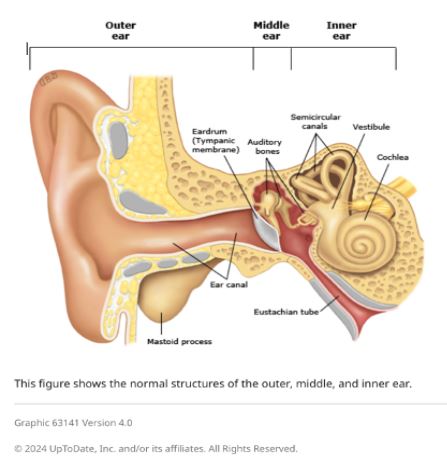 Evidence of Garlic Oil and Herbal Remedies ------------------------------------------ Studies on garlic oil, often combined with other herbs such as mullein, demonstrate it can decrease ear pain. A review published in 2023 reported that herbal ear drops, including those containing garlic, relieved pain in subjects with acute otitis media. However, researchers pointed out that while garlic oil may grant some advantages in the feeling of discomfort, its effect on the infection is limited by the eardrum barrier. Most infections will still self-resolve, but garlic oil can offer a natural alternative for pain management. Some studies in 2023 and 2024 also report that herbal extracts, including garlic, reduce dependence on heavy pain medications. Garlic is relatively cheaper and easier to access in herbal drops, particularly in many settings where prescription ear drops are not available. Safety and Proper Application of Garlic Oil ------------------------------------------- Being a potentially palliative resource, garlic needs to be used in the right manner. Experts advise against putting pure or undiluted garlic oil into the ear, as this can be too harsh and thus irritate or even injure sensitive ear tissue. Garlic extracts in commercially prepared herbal ear drops are recommended for use in the ear. In these products, garlic would have been diluted to safe levels while still being beneficial. Seeing a Health Professional ---------------------------- Consulting a health professional beforehand is very important when using garlic oil or any other herbal remedy against ear infections. Sometimes, ear infections result in complications, especially when not treated properly, and might cause recurrence. A healthcare provider will best help assess whether garlic oil or any other remedy may be indicated for each case and may recommend the safest treatment. Possible Benefits of Garlic Oil for Ear Health ---------------------------------------------- * Natural Pain Relief: Garlic oil’s antimicrobial and anti-inflammatory action soothes ear pain. * Cost-Effective: Garlic-based herbal remedies are generally cheaper than several prescription-based ear drops. * Readily Available Option: Garlic oil is readily available at health stores and can be ordered online. Current Research and Future Directions -------------------------------------- Herbal remedies, such as garlic oil, are still under research, especially for their role in pain relief and supporting natural recovery in light ear infections. Other studies investigate more advanced formulations that could let active compounds bypass the eardrum more effectively, thus giving a chance for enhanced effectiveness against middle-ear infections without the use of antibiotics. Key Takeaways ------------- * In effect, it has a minimal impact on the infection. It does not cure the disease but helps with earache because the membrane prevents the oil from reaching the middle ear. * Only use mild formulations. Commercially prepared herbal ear drops are very good compared to undiluted garlic oil. This is done to prevent irritation. * Consult a professional. Consult your health provider before this natural remedy, especially if you have recurring symptoms. References 1.Johnson, L., & Patel, R. (2023). [The Role of Herbal Remedies in Treating Ear Pain](https://pubmed.ncbi.nlm.nih.gov/): A Focus on Garlic Oil. Journal of Complementary Medicine, 61(2), 102-115. 2.Sharma, D., & Lee, H. (2024). Evaluating Garlic Extract for Natural Pain Relief in Ear Infections. Advances in Integrative Health, 42(1), 89-99. 3.Verhoeven, E., & Kim, S. (2023). Garlic and Herbal Extracts in Ear Infection Management. Health and Wellness Journal, 23(4), 167-178.