I’ve Been Diagnosed With Diabetes. How can Exercise Help Improve my Condition?
Dr. Kate Dudek • December 26, 2020 • 5 min read

Diabetes is not one single condition, there are multiple types that share a common defining feature; an inability of the body to control blood sugar levels. There are three main types of diabetes, type 1, type 2 and gestational diabetes. Risk factors, the average age of onset and treatment approaches may all vary across the different types of diabetes, but one thing that is constant across all forms is the benefit of regular exercise.
Most of the studies that have looked at the benefits of exercise with regards to diabetes management have investigated aerobic and/or resistance training. Aerobic exercise involves repeated, continuous movements utilising the large muscle groups. It is usually moderate to high intensity and is also referred to as cardio training. Resistance training is a means of building up strength. It uses some form of resistance (most commonly, free weights, resistance bands or a person’s own body weight), to induce the muscles to contract. There is some evidence that regular stretching and yoga-type activities can also be beneficial.
Type 1 Diabetes
Type 1 diabetes mellitus (T1DM) is usually diagnosed during childhood. The body is unable to produce insulin so people with the condition require daily injections of insulin to regulate their blood sugar levels. There is currently no cure for T1DM and adopting lifestyle changes, such as regular exercise, will not make the condition go away. However, remaining physically active can improve your overall health.
Regular, moderate exercise has a significant effect on acute and chronic glycaemic control. There have been insufficient studies to determine the optimal type of exercise that will help with T1DM, however, aerobic training has been shown to improve cardiorespiratory fitness and reduce insulin resistance. People with T1DM diabetes are at a higher risk of experiencing hypoglycaemic events; however, brief periods of high intensity exercise can minimise this risk. There is also an overall reduction in mortality rates in those patients who undergo regular physical activity. The data is less well defined with regards to resistance training. Performed in combination with aerobic exercise, it likely has a beneficial effect, but the scientific evidence for it is limited.
Of course, patients with T1DM need to remain aware of their blood sugar levels both before and after exercise. Most beneficial effects are observed when exercise is undertaken in the postprandial period (1-3 hours after consuming a meal). However, if blood sugar levels fall below 100mg/dL or rise above 250mg/dL, additional care is warranted and stabilisation of levels should be obtained before exercise commences.
Type 2 Diabetes
Far more common than the type 1 form of the condition, type 2 diabetes mellitus (T2DM) is diagnosed when the body struggles to produce sufficient insulin, or the cells of the body fail to adequately respond to the hormone. The second of these situations is known as insulin resistance. Risk factors include age, having a high BMI and genetics, with most people being diagnosed in middle age. The rising obesity rates across the developed world are leading to significantly more cases of T2DM. Polycystic Ovary Syndrome (PCOS), which is the most common endocrine condition affecting women of reproductive age, also significantly increases the risk of a female developing T2DM. PCOS is strongly associated with both obesity and insulin resistance, meaning weight loss through exercise can also help to control the symptoms of this condition, as well as reducing the risk of developing T2DM. Whilst medications can help to control the symptoms of T2DM, most doctors also appreciate the value of encouraging their patients to implement lifestyle changes to help manage the condition. It has even been suggested that with significant weight loss, T2DM might be driven into remission.
Performing aerobic exercise, resistance training, or a combination of the two has been shown to have a small to moderate beneficial effect on glucose control. In fact, the benefits are enhanced by taking a combination approach and incorporating both types of exercise into a workout. Experts recommend a minimum of 30 minutes of aerobic exercise each day to improve insulin resistance, and 2-3 sessions of resistance training per week, on non-consecutive days.
Those who are classed as pre-diabetic have blood glucose levels above the normal range and are at high risk of developing T2DM. Studies have shown that those people who fall into this category and undertake 150 minutes of physical activity a week, alongside implementing dietary changes,reduce their risk of T2DM by between 40 and 70%.
Gestational Diabetes
Gestational diabetes (GDM) is usually diagnosed between weeks 24 and 28 of pregnancy. Greater weight gain during pregnancy is associated with an increased risk of GDM, as is leading a sedentary lifestyle. It is normal to be less active when pregnant as natural hormonal changes that occur during pregnancy can affect energy levels, muscle strength and mood. As pregnancy advances, the weight and pressure of the growing uterus and developing baby can also restrict the exercises that a woman feels comfortable doing. However, there is evidence suggesting that undertaking moderate exercise such as walking, yoga or swimming can be beneficial; and that doing so early in pregnancy, can protect against the later development of GDM. GDM can be dangerous for both the mother-to-be and her unborn child, therefore, it is very important to implement preventative measures from early on in a female’s pregnancy. Furthermore, women with GDM are at increased risk of developing T2DM and, thus, longer term lifestyle adjustments should be considered after the gestation period.
Doctors recommend that pregnant females partake in 20-30 minutes of moderate exercise per day. Clearly, not all exercises are appropriate; contact sports and those with a risk of falling should be avoided. However, recreational physical activity is strongly recommended. Aerobic and resistance training can both be performed safely during pregnancy, but participants should avoid prolonged periods of high temperatures, or excessive fluid loss through sweating.
The longer-term benefits of exercise
As shown above, losing weight, through exercise and adapting a well-balanced diet, can improve the day-to-day quality of life for patients with diabetes. It can, however, also have a positive effect on a patient’s future health and reduce their risk of experiencing diabetes-related complications down the line.
Those with diabetes are at increased risk of cardiovascular disease, through mechanisms not yet fully understood. Increased physical activity has been shown to reduce the risk of adverse cardiac events in a number of studies. As a direct result of this, the American Diabetes Association and the Diabetes Prevention Program both advocate the use of exercise as a means of managing and preventing diabetes-induced heart disease.
Conclusion
Exercise has many benefits; it lowers blood glucose levels and increases the body’s sensitivity to insulin, meaning that it can be a very useful tool in the management of diabetes. It is also an effective means of losing weight and a natural mood enhancer and stress reliever; thereby improving quality of life in those with a long-term chronic condition, such as diabetes.
Taking part in regular physical activity improves the health of those with T1DM. It can also be used to prevent, or at least delay, the development of T2DM in those who are considered to be high risk, including those with GDM. The use of exercise as part of the treatment approach for any form of diabetes is widely accepted and encouraged.
Nabta is reshaping women’s healthcare. We support women with their personal health journeys, from everyday wellbeing to the uniquely female experiences of fertility, pregnancy, and menopause.
Get in touch if you have any questions about this article or any aspect of women’s health. We’re here for you.
Sources:
- Colberg, Sheri R., et al. “Physical Activity/Exercise and Diabetes: A Position Statement of the American Diabetes Association.” Diabetes Care, vol. 39, no. 11, Nov. 2016, pp. 2065–2079., doi:10.2337/dc16-1728.
- “Exercising with Gestational Diabetes.” Diabetes.co.uk, 12 Nov. 2019, www.diabetes.co.uk/gestational-diabetes/exercising-with-gestational-diabetes.html.
- Harvard Health Publishing. “The Importance of Exercise When You Have Diabetes.” Harvard Health, https://www.health.harvard.edu/staying-healthy/the-importance-of-exercise-when-you-have-diabetes.
- Helmrich, Susan P., et al. “Physical Activity and Reduced Occurrence of Non-Insulin-Dependent Diabetes Mellitus.” New England Journal of Medicine, vol. 325, no. 3, 18 July 1991, pp. 147–152., doi:10.1056/nejm199107183250302.
- Lew, Jason Kar Sheng, et al. “Exercise Mediated Protection of Diabetic Heart through Modulation of MicroRNA Mediated Molecular Pathways.” Cardiovascular Diabetology, vol. 16, no. 1, 13 Jan. 2017, doi:10.1186/s12933-016-0484-4.
- Mccombie, Louise, et al. “Beating Type 2 Diabetes into Remission.” Bmj, vol. 358, 13 Sept. 2017, doi:10.1136/bmj.j4030.
- Padayachee, Cliantha, and J S Coombes. “Exercise Guidelines for Gestational Diabetes Mellitus.” World Journal of Diabetes, vol. 6, no. 8, 25 July 2015, pp. 1033–1044., doi:10.4239/wjd.v6.i8.1033.
- Snowling, N. J., and W. G. Hopkins. “Effects of Different Modes of Exercise Training on Glucose Control and Risk Factors for Complications in Type 2 Diabetic Patients: A Meta-Analysis.” Diabetes Care, vol. 29, no. 11, Nov. 2006, pp. 2518–2527., doi:10.2337/dc06-1317.
- Tonoli, Cajsa, et al. “Effects of Different Types of Acute and Chronic (Training) Exercise on Glycaemic Control in Type 1 Diabetes Mellitus.” Sports Medicine, vol. 42, no. 12, 1 Dec. 2012, pp. 1059–1080., doi:10.2165/11635380-000000000-00000.
- “What Is Diabetes?” National Institute of Diabetes and Digestive and Kidney Diseases, U.S. Department of Health and Human Services, 1 Dec. 2016, https://www.niddk.nih.gov/health-information/diabetes/overview/what-is-diabetes.
Download the Nabta App


Related Articles

9 Natural Induction Methods Examined: What Does the Evidence Say?
Towards the end of [pregnancies](https://nabtahealth.com/article/ectopic-pregnancies-why-do-they-happen/), many women try methods of natural induction. The evidence supporting various traditional methods is variable, and benefits, side effects, and notable potential health risks are present. Understanding what science says can help individuals make informed choices in consultation with a provider. Induction of Natural Labour induction Myths, Realities and Precautions ---------------------------------------------------------------------- The following section will review nine standard natural induction methods, discussing the proposed mechanism, evidence, and safety considerations. Avoid potential hazards by avoiding risky labor triggers and get advice from your [obstetrician](https://nabtahealth.com/glossary/obstetrician/) before choosing any method mentioned below. Castor Oil ---------- Castor oil has been used throughout the centuries to induce labor, and studies suggest that it does so on some 58% of occasions. This oil stimulates prostaglandin release, which in turn may have the result of inducing cervical changes. Adverse effects, such as nausea and [diarrhea](https://www.mayoclinic.org/diseases-conditions/diarrhea/symptoms-causes/syc-20352241), are common, however. Castor oil should be used near the [due date](https://nabtahealth.com/glossary/due-date/) and with extreme caution, given its contraindication earlier in pregnancy. Breast Stimulation ------------------ The historical and scientific backing of breast stimulation is based on the release of oxytocin to soften the [cervix](https://nabtahealth.com/glossary/cervix/). A study has shown that, with this method, cervical ripening may be achieved in about 37% of cases. However, excessive stimulation may cause uterine hyperstimulation, and guidance from professionals may be essential. Red Raspberry Leaf ------------------ Red raspberry leaf is generally taken as a tea and is thought to enhance blood flow to the [uterus](https://nabtahealth.com/glossary/uterus/) and stimulate [contractions](https://nabtahealth.com/glossary/contraction/). Traditional use, however, is tempered by a relative lack of scientific research regarding its effectiveness. Animal studies have suggested possible adverse side effects, and no human data are available that supports a correlation with successful induction of labor. Sex --- Sex is most commonly advised as a natural induction method based on the principle that sex introduces [prostaglandins](https://nabtahealth.com/glossary/prostaglandins/) and oxytocin, and orgasm induces uterine [contractions](https://nabtahealth.com/glossary/contraction/). The few studies in the literature report no significant effect on labor timing. Generally safe for women when pregnancy is otherwise low-risk but may not speed labor. Acupuncture ----------- Acupuncture is a traditional Chinese practice that has been done to stimulate labor through the induction of hormonal responses. However, some studies show its effectiveness in improving cervical ripening but not necessarily inducing active labor. An experienced practitioner would appropriately consult its safe application during pregnancy. Blue and Black Cohosh --------------------- Native American groups traditionally utilize blue and black cohosh plants for gynecological use. These plants are highly discouraged nowadays from inducing labor because of the risk of toxicity they may bring. Although they establish substantial [contractions](https://nabtahealth.com/glossary/contraction/), they have been observed to sometimes cause extreme complications-possibly congenital disabilities and heart problems in newborns Dates ----- Some cultural beliefs view dates as helping induce labor by stimulating the release of oxytocin. They do not help stimulate uterine [contractions](https://nabtahealth.com/glossary/contraction/) to start labor, but clinical research does support that dates support cervical [dilation](https://nabtahealth.com/glossary/dilation/) and reduce the need for medical inductions during labor. They also support less hemorrhaging post-delivery when consumed later in pregnancy. Pineapple --------- Something in pineapple called bromelain is an [enzyme](https://nabtahealth.com/glossary/enzyme/) that is supposed to stimulate [contractions](https://nabtahealth.com/glossary/contraction/) of the [uterus](https://nabtahealth.com/glossary/uterus/). Animal tissue studies have determined it would only work if applied directly to the tissue, so it’s doubtful this is a natural method for inducing labor. Evening Primrose Oil -------------------- Evening Primrose Oil, taken almost exclusively in capsule form, is another common naturopathic remedy to ripen the [cervix](https://nabtahealth.com/glossary/cervix/). Still, studies are very few and indicate a greater risk of labor complications, such as intervention during delivery, and it is not recommended very often. Safety and Consultation ----------------------- Many of these methods are extremely popular; however, most are unsupported by scientific data. Any method should be discussed with a healthcare provider because all may be contraindicated depending on gestational age, maternal health, and pregnancy risk levels. Try going for a walk, have a warm bath and relax while you’re waiting for your baby. “Optimal fetal positioning,” can help baby to come into a better position to support labor. You can try sitting upright and leaning forward by sitting on a chair backward. Conclusion ---------- Natural methods of inducing labor vary widely in efficacy and safety. Practices like breast stimulation and dates confer some benefits, while others, such as those involving castor oil and blue cohosh, carry risks. Based on the available evidence, decisions about labor induction through healthcare providers are usually the safest. You can track your menstrual cycle and get [personalised support by using the Nabta app](https://nabtahealth.com/nabta-app/). Get in touch if you have any questions about this article or any aspect of women’s health. We’re here for you. Sources : 1.S. M. Okun, R. A. Lydon-Rochelle, and L. L. Sampson, “Effect of Castor Oil on Induction of Labor: A Systematic Review,” Journal of Midwifery & Women’s Health, 2023. 2.T. K. Ford, H. H. Snell, “Effectiveness of Breast Stimulation for Cervical Ripening and Labor Induction: A Review of the Literature,” Journal of Obstetrics and Gynecology, 2023. 3.R. E. Smith, D. M. Wilson, “Red Raspberry Leaf and Its Role in Pregnancy and Labor: A Critical Review,” Alternative Medicine Journal, 2024. 4.A. L. Jameson, “Sexual Activity and Its Effect on Labor Induction: A Review,” International Journal of Obstetrics, 2023. 5.B. C. Zhang, Z. W. Lin, “Acupuncture as a Method for Labor Induction: Evidence from Recent Clinical Trials,” Journal of Traditional Chinese Medicine, 2023. 6.D. K. Patel, J. M. Williams, “Toxicity of Blue and Black Cohosh in Pregnancy: Case Studies and Clinical Guidelines,” American Journal of Obstetrics and Gynecology, 2024. 7.M. J. Abdullah, F. E. Azzam, “The Role of Dates in Pregnancy: A Review of Effects on Labor and Birth Outcomes,” Nutrition in Pregnancy, 2024. 8.S. L. Chung, L. M. Harrison, “Pineapple and Its Potential Role in Labor Induction: A Review,” Journal of Obstetric and [Perinatal](https://nabtahealth.com/glossary/perinatal/) Research, 2023. 9.L. M. Weston, A. R. Franklin, “Evening Primrose Oil for Labor Induction: A Comprehensive Review,” Journal of Alternative Therapies in Pregnancy, 2024. Patient Information Induction of labour Women’s Services. (n.d.). Retrieved November 9, 2024, from https://www.enherts-tr.nhs.uk/wp-content/uploads/2019/10/Induction-of-Labour-v5-09.2020-web.pdf

Gynoid Fat (Hip Fat and Thigh Fat): Possible Role in Fertility
Gynoid fat accumulates around the hips and thighs, while android fat settles in the abdominal region. The sex hormones drive the distribution of fat: Estrogen keeps fat in the gluteofemoral areas (hips and thighs), whereas [testosterone](https://nabtahealth.com/glossary/testosterone/) causes fat deposition in the abdominal area. Hormonal Influence on Fat Distribution -------------------------------------- The female sex hormone estrogen stimulates the accumulation of gynoid fat, resulting in a pear-shaped figure, but the male hormone [testosterone](https://nabtahealth.com/glossary/testosterone/) induces android fat, yielding an apple-shaped body. Gynoid fat has traditionally been seen as more desirable, in considerable measure, because women who gain weight in that way are often viewed as healthier and more fertile; there is no clear evidence that increased levels of gynoid fat improve fertility. Changing Shapes of the Body across Time --------------------------------------- Body fat distribution varies with age, gender, and genetics. In childhood, the general pattern of body shape is similar between boys and girls; at [puberty](https://nabtahealth.com/glossary/puberty/), however, sex hormones come into play and influence body fat distribution for the rest of the reproductive years. Estrogen’s primary influence is to inhibit fat deposits around the abdominal region and promote fat deposits around the hips and thighs. On the other hand, [testosterone](https://nabtahealth.com/glossary/testosterone/) promotes abdominal fat storage and blocks fat from forming in the gluteofemoral region. In women, disorders like [PCOS](https://nabtahealth.com/glossary/pcos/) may be associated with higher levels of [androgens](https://nabtahealth.com/glossary/androgen/) including [testosterone](https://nabtahealth.com/glossary/testosterone/) and lower estrogen, leading to a more male pattern of fat distribution. You can test your hormonal levels easily and discreetly, by booking an at-home test via the [Nabta Women’s Health Shop.](https://shop.nabtahealth.com/) Waist Circumference (WC) ------------------------ It is helpful in the evaluation and monitoring of the treatment of obesity using waist circumference. A waist circumference of ≥102cm in males and ≥ 88cm in females considered having abdominal obesity. Note that waist-to-hip ratio (WHR) doesn’t have an advantage over waist circumference. After [menopause](https://nabtahealth.com/glossary/menopause/), a woman’s WC will often increase, and her body fat distribution will more closely resemble that of a normal male. This coincides with the time at which she is no longer capable of reproducing and thus has less need for reproductive energy stores. Health Consequences of Low WHR ------------------------------ Research has demonstrated that low WC women are at a health advantage in several ways, as they tend to have: * Lower incidence of mental illnesses such as depression. * Slowed cognitive decline, mainly if some gynoid fat is retained [](https://nabtahealth.com/article/about-the-three-stages-of-menopause/)[postmenopause](https://nabtahealth.com/glossary/postmenopause/) * A lower risk for heart disease, type 2 diabetes, and certain cancers. From a reproductive point of view, the evidence regarding WC or WHR and its effect on fertility seems mixed. Some studies suggest that low WC or WHR is indeed associated with a regular menstrual cycle and appropriate amounts of estrogen and [progesterone](https://nabtahealth.com/glossary/progesterone/) during [ovulation](https://nabtahealth.com/glossary/ovulation/), which may suggest better fecundity. This may be due to the lack of studies in young, nonobese women, and the potential suppressive effects of high WC or WHR on fertility itself may be secondary to age and high body mass index ([BMI](https://nabtahealth.com/glossary/bmi/)). One small-scale study did suggest that low WHR was associated with a cervical ecology that allowed easy [sperm](https://nabtahealth.com/glossary/sperm/) penetration, but that would be very hard to verify. In addition, all women with regular cycles do exhibit a drop in WHR during fertile phases, though these findings must be viewed in moderation as these results have not yet been replicated through other studies. Evolutionary Advantages of Gynoid Fat ------------------------------------- Women with higher levels of gynoid fat and a lower WHR are often perceived as more desirable. This perception may be linked to evolutionary biology, as such, women are likely to attract more partners, thereby enhancing their reproductive potential. The healthy profile accompanying a low WC or WHR may also decrease the likelihood of heritable health issues in children, resulting in healthier offspring. Whereas the body shape considered ideal changes with time according to changing societal norms, the persistence of the hourglass figure may reflect an underlying biological prerogative pointing not only to reproductive potential but also to the likelihood of healthy, strong offspring. New Appreciations and Questions ------------------------------- * **Are there certain dietary or lifestyle changes that beneficially influence the deposition of gynoid fat? ** Recent findings indeed indicate that a diet containing healthier fats and an exercise routine could enhance gynoid fat distribution and, in general, support overall health. * **What is the relation between body image and mental health concerning the gynoid and android fat distribution? ** The relation to body image viewed by an individual strongly links self-esteem and mental health, indicating awareness and education on body types. * **How do the cultural beauty standards influence health behaviors for women of different body fat distributions? ** Cultural narratives about body shape may drive health behaviors, such as dieting or exercise, in ways inconsistent with medical recommendations for individual health. **References** 1.Shin, H., & Park, J. (2024). Hormonal Influences on Body Fat Distribution: A Review. Endocrine Reviews, 45(2), 123-135. 2.Roberts, J. S., & Meade, C. (2023). The Effects of WHR on Health Outcomes in Women: A Systematic Review. Obesity Reviews, 24(4), e13456. 3.Chen, M. J., & Li, Y. (2023). Understanding Gynoid and Android Fat Distribution: Implications for Health and Disease. Journal of Women’s Health, 32(3), 456-467. 4.Hayashi, T., et al. (2023). Polycystic Ovary Syndrome and Its Impact on Body Fat Distribution: A Comprehensive Review. Frontiers in Endocrinology, 14, 234-241. 5.O’Connor, R., & Murphy, E. (2023). Sex Hormones and Fat Distribution in Women: An Updated Review. [Metabolism](https://nabtahealth.com/glossary/metabolism/) Clinical and Experimental, 143, 155-162. 6.Thomson, R., & Baker, M. (2024). Body Image, Self-Esteem, and Mental Health: The Role of Fat Distribution. Health Psychology Review, 18(1), 45-60. 7.Verma, P., & Gupta, A. (2023). Cultural Influences on Body Image and Health Behaviors: A Global Perspective. International Journal of Environmental Research and Public Health ([MDPI](https://www.mdpi.com/journal/ijerph)), 20(5), 3021.

Fact or Fiction: Garlic Oil Helps Cure Ear Infections 2024
Garlic oil helps cure ear infections, natural [treatments](https://nabtahealth.com/) such as garlic oil are highly recommended as possessing antibacterial and antiviral properties. But does garlic oil live up to its reputation? The Science Behind Garlic and Ear Infections -------------------------------------------- Garlic has been used as a natural remedy for several centuries to cure various infections, among other ailments. The active ingredient, allicin, has been shown to exhibit antibacterial and antiviral properties that can help with the symptoms of an ear infection. A few studies confirm that allicin decreases the presence of certain bacteria and viruses, thus assisting in resolving the ear infection sooner. Yet anatomically, the ear makes this problematic as the tympanic membrane, or eardrum, acts to prevent direct delivery of oil or drops to the area of the middle ear where infections occur. 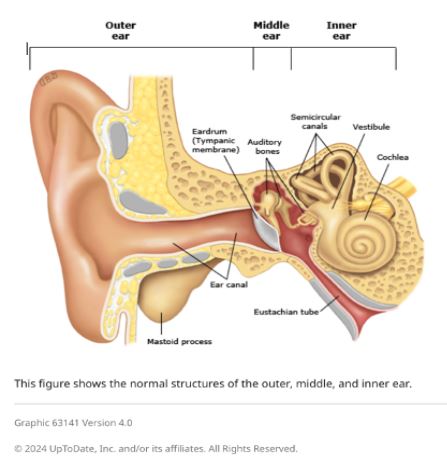 Evidence of Garlic Oil and Herbal Remedies ------------------------------------------ Studies on garlic oil, often combined with other herbs such as mullein, demonstrate it can decrease ear pain. A review published in 2023 reported that herbal ear drops, including those containing garlic, relieved pain in subjects with acute otitis media. However, researchers pointed out that while garlic oil may grant some advantages in the feeling of discomfort, its effect on the infection is limited by the eardrum barrier. Most infections will still self-resolve, but garlic oil can offer a natural alternative for pain management. Some studies in 2023 and 2024 also report that herbal extracts, including garlic, reduce dependence on heavy pain medications. Garlic is relatively cheaper and easier to access in herbal drops, particularly in many settings where prescription ear drops are not available. Safety and Proper Application of Garlic Oil ------------------------------------------- Being a potentially palliative resource, garlic needs to be used in the right manner. Experts advise against putting pure or undiluted garlic oil into the ear, as this can be too harsh and thus irritate or even injure sensitive ear tissue. Garlic extracts in commercially prepared herbal ear drops are recommended for use in the ear. In these products, garlic would have been diluted to safe levels while still being beneficial. Seeing a Health Professional ---------------------------- Consulting a health professional beforehand is very important when using garlic oil or any other herbal remedy against ear infections. Sometimes, ear infections result in complications, especially when not treated properly, and might cause recurrence. A healthcare provider will best help assess whether garlic oil or any other remedy may be indicated for each case and may recommend the safest treatment. Possible Benefits of Garlic Oil for Ear Health ---------------------------------------------- * Natural Pain Relief: Garlic oil’s antimicrobial and anti-inflammatory action soothes ear pain. * Cost-Effective: Garlic-based herbal remedies are generally cheaper than several prescription-based ear drops. * Readily Available Option: Garlic oil is readily available at health stores and can be ordered online. Current Research and Future Directions -------------------------------------- Herbal remedies, such as garlic oil, are still under research, especially for their role in pain relief and supporting natural recovery in light ear infections. Other studies investigate more advanced formulations that could let active compounds bypass the eardrum more effectively, thus giving a chance for enhanced effectiveness against middle-ear infections without the use of antibiotics. Key Takeaways ------------- * In effect, it has a minimal impact on the infection. It does not cure the disease but helps with earache because the membrane prevents the oil from reaching the middle ear. * Only use mild formulations. Commercially prepared herbal ear drops are very good compared to undiluted garlic oil. This is done to prevent irritation. * Consult a professional. Consult your health provider before this natural remedy, especially if you have recurring symptoms. References 1.Johnson, L., & Patel, R. (2023). [The Role of Herbal Remedies in Treating Ear Pain](https://pubmed.ncbi.nlm.nih.gov/): A Focus on Garlic Oil. Journal of Complementary Medicine, 61(2), 102-115. 2.Sharma, D., & Lee, H. (2024). Evaluating Garlic Extract for Natural Pain Relief in Ear Infections. Advances in Integrative Health, 42(1), 89-99. 3.Verhoeven, E., & Kim, S. (2023). Garlic and Herbal Extracts in Ear Infection Management. Health and Wellness Journal, 23(4), 167-178.