Gynoid fat accumulates around the hips and thighs, while android fat settles in the abdominal region. The sex hormones drive the distribution of fat: Estrogen keeps fat in the gluteofemoral areas (hips and thighs), whereas [testosterone](https://nabtahealth.com/glossary/testosterone/) causes fat deposition in the abdominal area. Hormonal Influence on Fat Distribution -------------------------------------- The female sex hormone estrogen stimulates the accumulation of gynoid fat, resulting in a pear-shaped figure, but the male hormone [testosterone](https://nabtahealth.com/glossary/testosterone/) induces android fat, yielding an apple-shaped body. Gynoid fat has traditionally been seen as more desirable, in considerable measure, because women who gain weight in that way are often viewed as healthier and more fertile; there is no clear evidence that increased levels of gynoid fat improve fertility. Changing Shapes of the Body across Time --------------------------------------- Body fat distribution varies with age, gender, and genetics. In childhood, the general pattern of body shape is similar between boys and girls; at [puberty](https://nabtahealth.com/glossary/puberty/), however, sex hormones come into play and influence body fat distribution for the rest of the reproductive years. Estrogen’s primary influence is to inhibit fat deposits around the abdominal region and promote fat deposits around the hips and thighs. On the other hand, [testosterone](https://nabtahealth.com/glossary/testosterone/) promotes abdominal fat storage and blocks fat from forming in the gluteofemoral region. In women, disorders like [PCOS](https://nabtahealth.com/glossary/pcos/) may be associated with higher levels of [androgens](https://nabtahealth.com/glossary/androgen/) including [testosterone](https://nabtahealth.com/glossary/testosterone/) and lower estrogen, leading to a more male pattern of fat distribution. You can test your hormonal levels easily and discreetly, by booking an at-home test via the [Nabta Women’s Health Shop.](https://shop.nabtahealth.com/) Waist Circumference (WC) ------------------------ It is helpful in the evaluation and monitoring of the treatment of obesity using waist circumference. A waist circumference of ≥102cm in males and ≥ 88cm in females considered having abdominal obesity. Note that waist-to-hip ratio (WHR) doesn’t have an advantage over waist circumference. After [menopause](https://nabtahealth.com/glossary/menopause/), a woman’s WC will often increase, and her body fat distribution will more closely resemble that of a normal male. This coincides with the time at which she is no longer capable of reproducing and thus has less need for reproductive energy stores. Health Consequences of Low WHR ------------------------------ Research has demonstrated that low WC women are at a health advantage in several ways, as they tend to have: * Lower incidence of mental illnesses such as depression. * Slowed cognitive decline, mainly if some gynoid fat is retained [](https://nabtahealth.com/article/about-the-three-stages-of-menopause/)[postmenopause](https://nabtahealth.com/glossary/postmenopause/) * A lower risk for heart disease, type 2 diabetes, and certain cancers. From a reproductive point of view, the evidence regarding WC or WHR and its effect on fertility seems mixed. Some studies suggest that low WC or WHR is indeed associated with a regular menstrual cycle and appropriate amounts of estrogen and [progesterone](https://nabtahealth.com/glossary/progesterone/) during [ovulation](https://nabtahealth.com/glossary/ovulation/), which may suggest better fecundity. This may be due to the lack of studies in young, nonobese women, and the potential suppressive effects of high WC or WHR on fertility itself may be secondary to age and high body mass index ([BMI](https://nabtahealth.com/glossary/bmi/)). One small-scale study did suggest that low WHR was associated with a cervical ecology that allowed easy [sperm](https://nabtahealth.com/glossary/sperm/) penetration, but that would be very hard to verify. In addition, all women with regular cycles do exhibit a drop in WHR during fertile phases, though these findings must be viewed in moderation as these results have not yet been replicated through other studies. Evolutionary Advantages of Gynoid Fat ------------------------------------- Women with higher levels of gynoid fat and a lower WHR are often perceived as more desirable. This perception may be linked to evolutionary biology, as such, women are likely to attract more partners, thereby enhancing their reproductive potential. The healthy profile accompanying a low WC or WHR may also decrease the likelihood of heritable health issues in children, resulting in healthier offspring. Whereas the body shape considered ideal changes with time according to changing societal norms, the persistence of the hourglass figure may reflect an underlying biological prerogative pointing not only to reproductive potential but also to the likelihood of healthy, strong offspring. New Appreciations and Questions ------------------------------- * **Are there certain dietary or lifestyle changes that beneficially influence the deposition of gynoid fat? ** Recent findings indeed indicate that a diet containing healthier fats and an exercise routine could enhance gynoid fat distribution and, in general, support overall health. * **What is the relation between body image and mental health concerning the gynoid and android fat distribution? ** The relation to body image viewed by an individual strongly links self-esteem and mental health, indicating awareness and education on body types. * **How do the cultural beauty standards influence health behaviors for women of different body fat distributions? ** Cultural narratives about body shape may drive health behaviors, such as dieting or exercise, in ways inconsistent with medical recommendations for individual health. **References** 1.Shin, H., & Park, J. (2024). Hormonal Influences on Body Fat Distribution: A Review. Endocrine Reviews, 45(2), 123-135. 2.Roberts, J. S., & Meade, C. (2023). The Effects of WHR on Health Outcomes in Women: A Systematic Review. Obesity Reviews, 24(4), e13456. 3.Chen, M. J., & Li, Y. (2023). Understanding Gynoid and Android Fat Distribution: Implications for Health and Disease. Journal of Women’s Health, 32(3), 456-467. 4.Hayashi, T., et al. (2023). Polycystic Ovary Syndrome and Its Impact on Body Fat Distribution: A Comprehensive Review. Frontiers in Endocrinology, 14, 234-241. 5.O’Connor, R., & Murphy, E. (2023). Sex Hormones and Fat Distribution in Women: An Updated Review. [Metabolism](https://nabtahealth.com/glossary/metabolism/) Clinical and Experimental, 143, 155-162. 6.Thomson, R., & Baker, M. (2024). Body Image, Self-Esteem, and Mental Health: The Role of Fat Distribution. Health Psychology Review, 18(1), 45-60. 7.Verma, P., & Gupta, A. (2023). Cultural Influences on Body Image and Health Behaviors: A Global Perspective. International Journal of Environmental Research and Public Health ([MDPI](https://www.mdpi.com/journal/ijerph)), 20(5), 3021.

* Charting your basal body temperature (BBT) is a way to understand where you are in your menstrual cycle, helping you to predict the exact point of [ovulation](https://nabtahealth.com/glossary/ovulation/). * Basal body temperature is your body temperature when it is at rest and it increases by around 0.3 – 0.6°C during [ovulation](https://nabtahealth.com/glossary/ovulation/). * Measuring basal body temperature can be done orally, vaginally or rectally and is best taken each morning, after sleep. * Vaginal monitoring is the most precise method with 99% accuracy and can be done using the [OvuSense vaginal thermometer](https://nabtahealth.com/product/cycle-monitoring-with-ovusense/) alongside the [Nabta app.](https://nabtahealth.com/our-platform/nabta-app) A woman’s menstrual cycle lasts from the first day of menstruation to the day before her next period starts. For women who have a very regular 28 day cycle, [ovulation](https://nabtahealth.com/glossary/ovulation/) will usually occur around day 15, which is approximately 2 weeks before the start of the next menstrual cycle. However, a ‘normal’ menstrual cycle can vary from 21 to 40 days, so determining the exact point at which [ovulation](https://nabtahealth.com/glossary/ovulation/) occurs is not that simple. It is, however, possible to use physiological cues (the way the body functions) to determine the likely start of [ovulation](https://nabtahealth.com/glossary/ovulation/); the body produces certain physical signs in response to fluctuating hormone levels and by accurately monitoring these, you may be able to deduce when you are most fertile. Approaches such as [observing cervical mucus](../cervical-discharge-through-the-menstrual-cycle) and measuring Basal Body Temperature (BBT) are types of fertility awareness-based methods that can be used for natural family planning. #### What is Basal Body Temperature? BBT is the temperature of the person at rest. During [ovulation](https://nabtahealth.com/glossary/ovulation/), the BBT usually rises by 0.3 – 0.6°C (0.5 – 1.0°F). By accurately recording the BBT every day, a woman may be able to determine if and when [ovulation](https://nabtahealth.com/glossary/ovulation/) occurred. Typical temperature fluctuations during a normal cycle: * The follicular phase of the cycle is the time before [ovulation](https://nabtahealth.com/glossary/ovulation/). BBT is influenced by [oestrogen](https://nabtahealth.com/glossary/oestrogen/) levels and [progesterone](https://nabtahealth.com/glossary/progesterone/) levels are low. Normal BBT range: 36.4 – 36.8°C (97 – 98°F). * One day before [ovulation](https://nabtahealth.com/glossary/ovulation/) there is a peak in luteinising hormone. BBT reaches its lowest point, known as the nadir. * After [ovulation](https://nabtahealth.com/glossary/ovulation/), [progesterone](https://nabtahealth.com/glossary/progesterone/) levels increase up to 10-fold.Temperature increases 0.3 – 0.6°C (0.5 – 1.0°F) and typically remains above 37°C for the next 10-14 days. This is known as the luteal phase of the cycle. * If fertilisation does not occur, [progesterone](https://nabtahealth.com/glossary/progesterone/) levels and BBT both reduce 1-2 days before menstruation starts. [](https://nabtahealth.com/wp-content/uploads/2019/09/Charting-Your-Basal-Body-Temperature-300x224-1.webp) It is important to always measure BBT in the same way, orally, vaginally, or rectally, using the same thermometer. Measuring under the armpit is not considered to be accurate enough. The best time to record BBT is first thing in the morning before undertaking any physical activity. Ideally, BBT measurements should be taken after at least 3-4 hours sleep. BBT can be affected by increased stress, illness, medication use, alcohol consumption and changes in time zone/circadian rhythm. It is not recommended to take measurements if you are using hormonal contraceptives, as the synthetic hormones will disrupt the normal ovulatory cycle. #### What can you use basal body temperature for? As a means of contraception, recording BBT is not without its drawbacks. At best it predicts peak fertility, with the rise in temperature indicating that [ovulation](https://nabtahealth.com/glossary/ovulation/) has occurred. To completely avoid pregnancy, a female would need to abstain from intercourse from the start of menstruation until 3-4 days after the rise in BBT. The most valuable use for BBT plotting is perhaps as a tool for determining the best time to have intercourse if trying to conceive. For those women who have regular periods, measuring BBT for 3-4 cycles can give a fairly accurate prediction of which days they are most fertile. Male [sperm](https://nabtahealth.com/glossary/sperm/) can survive for 5-7 days inside the female reproductive tract, but once [ovulation](https://nabtahealth.com/glossary/ovulation/) triggers the release of the female egg from the [ovaries](https://nabtahealth.com/glossary/ovaries/), the egg only has a 24 hour period of viability. This means that a female is fertile from 5 days before [ovulation](https://nabtahealth.com/glossary/ovulation/), to 2 days afterwards. Outside of this window, she cannot conceive. By the time the BBT spike is seen, the female is reaching the end of her fertile period for that month. #### Can measuring basal body temperature help fertility? The major benefits to using BBT to identify [ovulation](https://nabtahealth.com/glossary/ovulation/) are that it is low-cost, easily accessible (the only equipment you need are a thermometer and chart paper to plot your readings) and non-invasive. One means of improving the efficacy of BBT is to combine it with other fertility awareness-based methods, such as the cervical mucus method. This method is based on the theory that cervical secretions change throughout the menstrual cycle. Using these two approaches in combination is known as the symptothermal approach. BBT can also be tracked alongside using our [OvuSense device](https://nabtahealth.com/products/ovusense/), which is a realtime fertility monitor, aimed to predict [ovulation](https://nabtahealth.com/glossary/ovulation/) with 99% accuracy. The benefits of tracking your basal body temperature ---------------------------------------------------- Tracking your basal body temperature (BBT) is a simple and effective way to gain insights into your menstrual cycle and fertility. BBT is the lowest body temperature that you experience during a 24-hour period, and it can be measured using a basal body thermometer. By taking your temperature every morning at the same time and recording it, you can create a chart that shows any changes in your BBT throughout your menstrual cycle. **There are several benefits to tracking your BBT, including:** 1. Identifying [ovulation](https://nabtahealth.com/glossary/ovulation/): Your BBT typically rises slightly during [ovulation](https://nabtahealth.com/glossary/ovulation/), which is when an egg is released from the [ovaries](https://nabtahealth.com/glossary/ovaries/) and can be fertilized. By tracking your BBT, you can identify when you are most likely to be ovulating, which can help you plan or avoid pregnancy. 2. Monitoring your menstrual cycle: By charting your BBT over time, you can get a better understanding of your menstrual cycle and how it varies from month to month. This can be helpful for identifying any changes or irregularities in your cycle, which can be a sign of underlying health issues. 3. Assessing your fertility: Your BBT can provide valuable insights into your fertility, and tracking it over time can help you and your doctor assess your overall reproductive health. For example, if your BBT remains consistently high over several cycles, it could indicate that you are not ovulating, which can affect your ability to conceive. 4. Predicting [ovulation](https://nabtahealth.com/glossary/ovulation/): By tracking your BBT and identifying when it rises, you can predict when you are most likely to ovulate and plan accordingly. This can be helpful for those who are trying to conceive or avoid pregnancy. The [Nabta App](https://nabtahealth.com/our-platform/nabta-app/) can be used to record the Basal Body Temperature and store and plot the data. Nabta is reshaping women’s healthcare. We support women with their personal health journeys, from everyday wellbeing to the uniquely female experiences of fertility, pregnancy, and [menopause](https://nabtahealth.com/glossary/menopause/). Get in [touch](/cdn-cgi/l/email-protection#a1d8c0cdcdc0e1cfc0c3d5c0c9c4c0cdd5c98fc2cecc) if you have any questions about this article or any aspect of women’s health. We’re here for you. Don’t forget you can register [here](https://nabtahealth.com/my-account) to become a Nabta member free of charge. **Sources:** * NHS Choices, _NHS_, [https://www.nhs.uk/conditions/contraception/natural-family-planning/](https://www.nhs.uk/conditions/contraception/natural-family-planning/). * “Fertility Awareness-Based Methods of Family Planning.” ACOG, _Women’s Health Care Physicians_, [https://www.acog.org/Patients/FAQs/Fertility-Awareness-Based-Methods-of-Family-Planning](https://www.acog.org/Patients/FAQs/Fertility-Awareness-Based-Methods-of-Family-Planning). * Pallone, S. R., and G. R. Bergus. “Fertility Awareness-Based Methods: Another Option for Family Planning.” _The Journal of the American Board of Family Medicine_, vol. 22, no. 2, 2009, pp. 147–157., doi:10.3122/jabfm.2009.02.080038. * Su, Hsiu-Wei, et al. “Detection of [Ovulation](https://nabtahealth.com/glossary/ovulation/), a Review of Currently Available Methods.” _Bioengineering & Translational Medicine_, vol. 2, no. 3, 16 May 2017, pp. 238–246., doi:10.1002/btm2.10058.

You may have heard [menopause](https://nabtahealth.com/glossary/menopause/) is [different for every woman](https://nabtahealth.com/articles/nabta-health-celebrates-women-during-their-age-of-hope/). When [perimenopause](https://nabtahealth.com/glossary/perimenopause/) starts (typically sometime between 45 and 55 years), how long each stage of [menopause](https://nabtahealth.com/glossary/menopause/) lasts (there are three stages – [perimenopause](https://nabtahealth.com/glossary/perimenopause/), [menopause](https://nabtahealth.com/glossary/menopause/), and [postmenopause](https://nabtahealth.com/glossary/postmenopause/)), the effects of [menopause](https://nabtahealth.com/glossary/menopause/) on the body … And the effects of [menopause](https://nabtahealth.com/glossary/menopause/) on the mind. To confuse matters further, many early signs of [menopause](https://nabtahealth.com/glossary/menopause/) can be mistaken for other health conditions. And how [perimenopause](https://nabtahealth.com/glossary/perimenopause/) is diagnosed isn’t always consistent. Some [doctors will recommend](https://nabtahealth.com/product/menopause-wellbeing-consultation/) a series of blood tests to monitor hormone levels over time, while others will diagnose [perimenopause](https://nabtahealth.com/glossary/perimenopause/) based on physical symptoms. But there are some changes that happen to a menopausal woman’s body over time that can impact long-term health. It’s worth talking about these so that women can prepare for the symptoms and effects and [protect their health long-term](https://nabtahealth.com/articles/about-the-three-stages-of-menopause/). #### _‘Short-term’ effects of [menopause](https://nabtahealth.com/glossary/menopause/) on the body_ First, let’s talk about the ‘short-term’ effects of [menopause](https://nabtahealth.com/glossary/menopause/) on the body. When a woman is perimenopausal her hormones start to fluctuate due to the decline in reproductive hormones (estrogen and [progesterone](https://nabtahealth.com/glossary/progesterone/)) produced by her [ovaries](https://nabtahealth.com/glossary/ovaries/). These hormonal deficiencies [lead](https://nabtahealth.com/glossary/lead/) to many physical changes taking place in a woman’s body long before her ‘official’ [menopause](https://nabtahealth.com/glossary/menopause/). The physical changes and symptoms women experience due to the reduction in hormones can be unpleasant and debilitating. Common ‘short-term’ symptoms of [menopause](https://nabtahealth.com/glossary/menopause/) include: – Hot flashes / flushes – Night sweats – Irregular periods – Disturbed sleep – Urinary incontinence – Mood swings and anxiety – Low libido ‘Short-term’ is misleading here because for some women [these symptoms](https://nabtahealth.com/articles/about-the-three-stages-of-menopause/) can continue for several years. However, it’s important to differentiate between these common signs of [perimenopause](https://nabtahealth.com/glossary/perimenopause/) and early [postmenopause](https://nabtahealth.com/glossary/postmenopause/), and the long-term negative effects of [menopause](https://nabtahealth.com/glossary/menopause/) on the body. #### _What are the long-term effects of [menopause](https://nabtahealth.com/glossary/menopause/) on the body?_ Periods eventually stop completely (a woman is officially considered in [menopause](https://nabtahealth.com/glossary/menopause/) after 12 consecutive months of no periods) and for some women this finality can be emotionally tricky. The decline in estrogen has a profound impact throughout a woman’s body and can have serious implications for her health, the most significant of which are heart health and bone strength and density. [Osteoporosis](https://nabtahealth.com/glossary/osteoporosis/) is linked with estrogen deficiency, making postmenopausal women particularly prone to loss of bone mass and fragile bones that fracture easily. Studies show that [half of all women over 60](https://www.menopause.org.au/hp/information-sheets/osteoporosis) will suffer at least one fracture due to [osteoporosis](https://nabtahealth.com/glossary/osteoporosis/). Estrogen also protects cardiovascular health by shielding against cardiovascular disease, high blood pressure, and controlling [LDL](https://nabtahealth.com/glossary/ldl/) (bad) [cholesterol](https://nabtahealth.com/glossary/cholesterol/) and [inflammation](https://nabtahealth.com/glossary/inflammation/). Ongoing low levels of estrogen mean menopausal and postmenopausal women are at higher risk of developing coronary heart disease or a stroke. Long-term hormone deficiency also increases a woman’s risk of chronic health conditions including type 2 diabetes, dementia, and bowel cancer. Other [long-term side effects](https://nabtahealth.com/articles/menopause-the-symptoms-nobody-talks-about/) of [menopause](https://nabtahealth.com/glossary/menopause/) include hair loss, loss of skin elasticity and wrinkles, dark spots and dry skin, [insomnia](https://nabtahealth.com/glossary/insomnia/), decreased muscle mass, vaginal dryness, weight gain, depression, brain fog, and joint and muscle pain. #### _[HRT](https://nabtahealth.com/glossary/hrt/) to treat effects of [menopause](https://nabtahealth.com/glossary/menopause/) on the body_ [HRT](https://nabtahealth.com/glossary/hrt/) replaces the hormones the body is no longer producing. The hormone treatment includes estrogen, and sometimes [progesterone](https://nabtahealth.com/glossary/progesterone/), and is given as a skin patch, gel, spray, or pill. Research has shown that for most women who take [HRT](https://nabtahealth.com/glossary/hrt/) the benefits outweigh the risks with their [perimenopause](https://nabtahealth.com/glossary/perimenopause/) [symptoms improving within 3-6 months](https://nabtahealth.com/articles/menopause-the-symptoms-nobody-talks-about/) of starting [HRT](https://nabtahealth.com/glossary/hrt/). And taking [HRT](https://nabtahealth.com/glossary/hrt/) reduces the risk of developing [osteoporosis](https://nabtahealth.com/glossary/osteoporosis/), cardiovascular disease, type 2 diabetes, bowel cancer, osteoarthritis, and other health conditions due to hormone deficiency.

It seems counterintuitive, doesn’t it? Exercising to gain weight, when everything we are taught, the dominant narrative focuses on exercising to lose weight. But this misses an important understanding of how our bodies function most effectively. We exercise for physical and mental health, to gain or lose weight healthily and safely, and for lasting benefit. #### _Why do underweight people need to gain weight?_ Firstly, let’s look at why a person might need gaining weight: – After **surgery** or an **illness** to support healthy recovery. – Being underweight can affect a person’s **fertility** and a woman’s ability to get pregnant. – Persistent low weight can cause **developmental problems** or **preventable health conditions**. #### _Why is healthy weight gain important?_ A person is underweight if their [Body Mass Index (](https://www.cdc.gov/healthyweight/assessing/index.html)[BMI](https://nabtahealth.com/glossary/bmi/)) is less than 18.5. We calculate [BMI](https://nabtahealth.com/glossary/bmi/) using [height and weight](https://nabtahealth.com/articles/what-is-body-mass-index-bmi/), dividing a person’s weight in kilograms with their height in metres squared to get an estimate of body fat. Being underweight increases the risk of suffering from health conditions including fragile bones and [osteoporosis](https://nabtahealth.com/glossary/osteoporosis/), weakened immune system, and malnutrition. It also reduces muscle strength and puts a person at greater risk of developing infections. #### _Eat more and build lean muscle growth to gaining weight_ If you’re trying to gain weight your calorie intake should be as nutrient-rich as possible. Eat three to five decent meals a day, with healthy snacks between meals. Increase your carbohydrates, focusing on whole grain breads and cereals. Consume high fat content foods like avocados and nuts and avoid fatty junk foods. Complement higher calorie intake with regular targeted exercise. Strength and resistance training helps build muscle mass which in turn helps with healthy weight gain. Resistance training includes using your body weight (squats, press-ups, bench-presses), resistance bands, classic strength training with free weights, and weight machines. Pilates and yoga count as resistance training too. Exercise also stimulates appetite. Obviously, avoid the temptation to tuck into sugary snacks and fizzy drinks. You want muscle gain, not fat gain. Healthy, lean weight gain is a process that can take many months. Be patient and try to stay consistent. #### _Talk to a professional about safe, healthy weight gain_ It’s important to see your doctor before trying to gain weight. They will want to assess you for any underlying health issues (for example an [overactive thyroid is linked with low weight](https://www.nhs.uk/live-well/healthy-weight/managing-your-weight/advice-for-underweight-adults/)) or medical conditions and discuss an appropriate and healthy weight gain program. Similarly, talk to an exercise professional about your weight gain goals . An exercise physiologist, physiotherapist, personal trainer, or gym instructor will make sure the exercises you are doing help you to safely put on the pounds. #### _Some dos and don’ts for exercising to gaining weight_ – _Don’t_ be tempted by products, supplements, and powders that claim to increase muscle. They can cause unpleasant side effects and [lead](https://nabtahealth.com/glossary/lead/) to unhealthy weight gain. – _Don’t_ snack on fatty junk foods to increase your calorie count. These will only cause fat build-up. – _Do_ eat ‘good’ high fat foods like avocados, nuts, cheese, and fatty fish. – _Do_ increase your nutrient-rich calorie intake. – _Do_ see your doctor before trying to gain weight. – _Do_ talk to a professional exercise physiologist or personal trainer. Remember, gaining weight should be part of a holistic plan for your whole body. It’s true that if you eat more calories than your body uses you will put on weight. But if a person doesn’t train correctly and regularly, they will simply put on fat not muscle and potentially cause unwanted health conditions. Plus, regular activity equals a healthy body and mind, and you can’t argue with that.

Why do some people gain weight easily, while others eat what they like and never seem to put on a pound? And still more people really struggle to add the kilos, despite their best calorie-intake efforts? The fact is supporting a normal healthy weight can be trickier for some people than for others. And there are many factors that affect a person’s ability to put on weight, or cause unintentional weight loss #### _10 reasons some people can’t gain weight_ Whether a person has ‘lean genes’, high [metabolism](https://nabtahealth.com/glossary/metabolism/), or an underlying medical condition, we list 10 possible reasons a person may have difficulty gaining weight. – **Genes**: A naturally low [Body Mass Index (](https://www.cdc.gov/healthyweight/assessing/index.html)[BMI](https://nabtahealth.com/glossary/bmi/)) can mean a slender body type for some people. – **High [metabolism](https://nabtahealth.com/glossary/metabolism/)**: People with a faster [metabolism](https://nabtahealth.com/glossary/metabolism/) burn more calories both exercising and resting. If you have a high [metabolism](https://nabtahealth.com/glossary/metabolism/) you may need to [consume more calories](https://www.health.harvard.edu/diet-and-weight-loss/does-metabolism-matter-in-weight-loss) to maintain a stable weight. – [](https://nabtahealth.com/articles/what-controls-metabolism/)**[Hyperthyroidism](https://nabtahealth.com/glossary/hyperthyroidism/) (overactive thyroid)****:** Overproduction of the thyroid hormone causes accelerated [metabolism](https://nabtahealth.com/glossary/metabolism/), resulting in unintentional weight loss if not regulated with medication. – **Diabetes**: In [type 1 diabetes](https://www.diabetes.co.uk/symptoms/unexplained-weight-loss.html) insufficient insulin means the body doesn’t get enough glucose from the blood to use as energy. Consequently, the body burns fat and muscle for energy, leading to weight loss. – **Malabsorption syndrome**: [Crohn’s disease](https://nabtahealth.com/articles/how-crohns-disease-affects-pregnancy/), [ulcerative colitis](https://www.mayoclinic.org/diseases-conditions/ulcerative-colitis/symptoms-causes/syc-20353326), [](https://nabtahealth.com/articles/what-is-celiac-disease/)[celiac disease](https://nabtahealth.com/glossary/celiac-disease/), [](https://nabtahealth.com/articles/what-is-cystic-fibrosis/)[cystic fibrosis](https://nabtahealth.com/glossary/cystic-fibrosis/), [small intestinal bacteria overgrowth (SIBO)](https://www.mayoclinic.org/diseases-conditions/small-intestinal-bacterial-overgrowth/symptoms-causes/syc-20370168) all come under a range of disorders, gastrointestinal diseases and food intolerances that affect the body’s ability to absorb nutrients from the food we eat. – **Prescription medication**: Some medications used to treat cancer, depression, [ADHD](https://nabtahealth.com/articles/what-is-adhd/), thyroid and other conditions can cause unintentional weight loss. – **Mental health**: Poor mental health, depression and anxiety can affect a person’s appetite and therefore their nutrient intake. – **Eating disorders**: [Anorexia nervosa](https://butterfly.org.au/eating-disorders/eating-disorders-explained/) is restricted eating that leads to a person being unable to maintain a normal and healthy weight. [Bulimia nervosa](https://butterfly.org.au/eating-disorders/eating-disorders-explained/) is binge eating, followed by purging, or forced vomiting, and sometimes excessive exercise. – **Regular physical activity**: If you consistently burn off more calories than you consume you will struggle to keep a stable weight. – **Insufficient calories**: If your busy lifestyle means you regularly skip meals, or if you aren’t getting enough calories in your diet, you may find it difficult to gain weight. #### _How do you know if you need to gain weight?_ According to the [Centers for Disease Control and Protection (CDC)](https://www.cdc.gov/healthyweight/assessing/bmi/adult_bmi/index.html) a person is underweight if their [Body Mass Index (](https://www.cdc.gov/healthyweight/assessing/index.html)[BMI](https://nabtahealth.com/glossary/bmi/)) is less than 18.5. [BMI](https://nabtahealth.com/glossary/bmi/) uses a person’s [height and weight](https://nabtahealth.com/articles/what-is-body-mass-index-bmi/), dividing their weight in kilograms with their height in metres squared to get an estimate of body fat. Being underweight can cause health problems such as malnutrition, fragile bones, and [osteoporosis](https://nabtahealth.com/glossary/osteoporosis/). It can also [lead](https://nabtahealth.com/glossary/lead/) to a weakened immune system, which increases the risk of developing infections, as well as making it harder to recover from illnesses. #### _See your doctor if you have difficulty gaining weight_ If you’re having trouble gaining weight, or if you’re experiencing unexplained weight loss, talk to your healthcare team. They will assess you for underlying medical conditions, and if appropriate, work with you to develop a healthy weight gain plan. Remember, you want to focus on building lean muscle, not fat. So, any weight gain program should follow your doctor’s advice and include regular exercise to support lean muscle gain.

[First published](https://qscience.nature.com/article/74/the-lack-of-physical-exercise-in-arab-states) by **Antonio Guillem Fernandez, Alamy** | 31 July 2015. Republished by Nabta, 23 Nov 2021 * A lack of exercise has been an ongoing problem across the Middle East. * Between obstacles and opportunities for exercise, most Arabs still do not get enough physical activity. * Common barriers to physical exercise include a lack of time and health conditions. * The result is a growing trend towards obesity in the region. Obesity is a growing healthcare problem worldwide, and especially throughout the Middle East. The fast adoption of a Western lifestyle, among other factors, has led to reduced physical activity and an increase in the consumption of sugars and saturated fats. The [World Health Organization (WHO)](https://www.who.int/news-room/fact-sheets/detail/physical-activity#:~:text=living%20with%20disability%3A-,should%20do%20at%20least%20150%E2%80%93300%20minutes%20of%20moderate%2Dintensity,intensity%20activity%20throughout%20the%20week) recommends that healthy adults should have at least 150 minutes of moderate exercise per week. According to recent studies, however, only 40% of men and 27% of women in the Gulf Cooperation Council countries reported being physically active for that amount of time. In Qatar, nearly half of 18- to 19-year-olds have insufficient levels of physical activity, and this rate increases substantially with age. [Epidemiologists](https://www.researchgate.net/publication/259461510_Barriers_and_Facilitators_Influencing_the_Physical_Activity_of_Arabic_Adults_A_Literature_Review) Kathleen Benjamin and Tam Truong Donnelly of the University of Calgary in Qatar reviewed the relevant literature in order to identify the factors that promote physical activity among Arab adults, and those that act as barriers to it1. They searched several large databases for relevant English-language studies, using keywords and phrases such as “physical activity,” “exercise,” “Middle East,” “challenges,” and “enablers,” and found 47 articles, and then eliminated 32 of these, because they did not include data on Arab adults, or because they did not focus on the barriers and facilitators of physical activity. From their review of the remaining 14 articles, Benjamin and Donnelly find that the two most commonly reported barriers to physical exercise were lack of time, largely due to competing factors such as household chores, childcare, and extra office care, and the presence of health conditions such as heart disease, osteoarthritis and asthma. Other participants reported lack of interest or motivation, fear of injury, and excessive internet usage as major barriers to physical activity. Some of the reported barriers are related to cultural and social norms. Traditionally, women in some Muslim-majority countries need to be accompanied by a male relative when outdoors. This, together with their expected role in the home and the traditional dress many wear in public to preserve their modesty, further reduces Arab women’s opportunities for exercise. Other major reasons for lack of activity included the lack of appropriate facilities, and the hot weather in the region. The most common facilitators of physical activity were the presence of a health condition or heath scare, such as a heart attack, which motivated people to become more active. Religion was also cited as another major facilitator, with several people contending that the Quran also encourages physical activity. \_\_\_ If you are concerned you may have high [cholesterol](https://nabtahealth.com/glossary/cholesterol/), get tested in the privacy of your own home by ordering a [cholesterol](https://nabtahealth.com/glossary/cholesterol/) blood test [here.](https://nabtahealth.com/product/pcos-test/) Nabta is reshaping women’s healthcare. We support women with their personal health journeys, from everyday wellbeing to the uniquely female experiences of fertility, pregnancy, and [](https://nabtahealth.com/glossary)[menopause](https://nabtahealth.com/glossary/menopause/). You can track your menstrual cycle and get [personalised support by using the Nabta app.](https://nabtahealth.com/our-platform/nabta-app/) [Get in touch](/cdn-cgi/l/email-protection#6d485f5d140c01010c2d030c0f190c05080c011905430e0200) if you have any questions about this article or any aspect of women’s health. We’re here for you.

There are certain factors like weight that put particular groups of people at higher risk of experiencing severe disease if infected by SARS CoV-2. Click [here](https://nabtahealth.com/covid-19-risk-factors-an-overview/) for an overview. Characteristics such as [gender](https://nabtahealth.com/covid-19-risk-factors-demographics-gender/), [age](https://nabtahealth.com/covid-19-risk-factors-demographics-age/), and weight are collectively known as demographics. These factors play a key role in determining how a person responds following infection with SARS CoV-2. This article explores weight in more detail: #### **The effect of weight** Your body weight can be used as an indicator to determine how at risk you are of developing severe or critical COVID-19 symptoms. An optimal [Body Mass Index](https://nabtahealth.com/what-is-body-mass-index-bmi/) ([BMI](https://nabtahealth.com/glossary/bmi/)) is 18.5–24.9 kg/m² and if you lie within this range, your weight is considered to be healthy. People with a healthy [BMI](https://nabtahealth.com/glossary/bmi/) have enough body fat to function effectively. Body fat, or adipose tissue, is an essential component of every organ and cell in our body; it has multiple roles, including insulation, energy storage, and the maintenance of hormones. Fat cells are also a source of [stem cells](https://nabtahealth.com/glossary/stem-cells/) that can differentiate into other cell types, such as bone and nerve cells, as required. These [stem cells](https://nabtahealth.com/glossary/stem-cells/), therefore, have regenerative capabilities that are able to replace damaged or otherwise compromised tissues in our body as needed. This means that a certain amount of adipose tissue is required for optimal health. #### **High [BMI](https://nabtahealth.com/glossary/bmi/)** Individuals with a [BMI](https://nabtahealth.com/glossary/bmi/) above 25 kg/m² are termed overweight, and those with a [BMI](https://nabtahealth.com/glossary/bmi/) above 30 kg/m² are termed obese. Overweight and obese people are at higher risk of developing multiple health disorders, such as [cardiovascular disease](https://nabtahealth.com/covid-19-risk-factors-underlying-health-conditions-cardiovascular-disease/), stroke, and [cancer](https://nabtahealth.com/covid-19-risk-factors-underlying-health-conditions-cancer/). They are also more likely to be severely or chronically symptomatic if infected by SARS CoV-2: * **Low grade [inflammation](https://nabtahealth.com/glossary/inflammation/)**. Having an excess of body fat means you are likely to be in a chronic state of low-grade [inflammation](https://nabtahealth.com/glossary/inflammation/), which can impair your immune system’s response to infection. Following SARS CoV-2 infection, the obese are more likely to be hospitalised because their bodies are unable to fight the infection effectively. * **Co-existing health conditions**. The other health disorders listed above that often accompany obesity, also put individuals at a higher risk of severe disease. Those who are severely obese ([BMI](https://nabtahealth.com/glossary/bmi/) > 40 kg/m²) are at increased risk of suffering from acute respiratory distress syndrome, which is a major complication of COVID-19 and can hinder a doctor’s ability to treat an affected patient. #### **Low [BMI](https://nabtahealth.com/glossary/bmi/)** A [BMI](https://nabtahealth.com/glossary/bmi/) below 18.5 kg/m² means that a person is medically underweight. Their body is storing insufficient fat, resulting in less overall protection. Being underweight weakens the immune system, putting a person at increased risk of developing severe COVID-19 symptoms. Individuals who are underweight may be malnourished, and as a result may lack some of the essential nutrients, vitamins and minerals necessary for their cells and organs to function properly. This makes them more vulnerable to any external challenges or insults, such as complications arising from an infection with a virus. Obese, overweight, and underweight individuals should consider contacting their local healthcare provider, and/or a nutritionist, with a view to establishing a healthy plan for losing or gaining weight sensibly. [COVID-19 Risk Factors - Demographics: Age](https://nabtahealth.com/covid-19-risk-factors-demographics-age/) [COVID-19 Risk Factors - Underlying Health Conditions: Diabetes](https://nabtahealth.com/covid-19-risk-factors-underlying-health-conditions-diabetes/) **Sources:** * “COVID-19 Map.” _Johns Hopkins Coronavirus Resource Center_, [coronavirus.jhu.edu/map.html](https://coronavirus.jhu.edu/map.html). * “People Who Are at Higher Risk for Severe Illness.” _Centers for Disease Control and Prevention_, Centers for Disease Control and Prevention, 14 May 2020, [www.cdc.gov/coronavirus/2019-ncov/need-extra-precautions/groups-at-higher-risk.html](https://www.cdc.gov/coronavirus/2019-ncov/need-extra-precautions/groups-at-higher-risk.html).

* Having ovarian cysts is not the same as being diagnosed with [](https://nabtahealth.com/articles/five-things-your-doctor-probably-wont-tell-you-about-pcos-polycystic-ovary-syndrom/)[PCOS](https://nabtahealth.com/glossary/pcos/). * Polycystic [ovaries](https://nabtahealth.com/glossary/ovaries/) syndrome is a condition caused by an excess in [androgens](https://nabtahealth.com/glossary/androgen/) (male hormones). * There are several different types of ovarian cysts which can cause [PCOS](https://nabtahealth.com/glossary/pcos/)\-like symptoms such as painful sex and irregular periods. * Only cysts that contain an egg (follicular) or did contain an egg (corpus luteum) are associated with polycystic [ovaries](https://nabtahealth.com/glossary/ovaries/) and [](https://nabtahealth.com/articles/five-things-your-doctor-probably-wont-tell-you-about-pcos-polycystic-ovary-syndrom/)[PCOS](https://nabtahealth.com/glossary/pcos/). The short answer is: no, ovarian cysts and [Polycystic Ovarian Syndrome (](https://nabtahealth.com/articles/five-things-your-doctor-probably-wont-tell-you-about-pcos-polycystic-ovary-syndrom/)[PCOS](https://nabtahealth.com/glossary/pcos/)) are definitely not the same thing. #### [PCOS](https://nabtahealth.com/glossary/pcos/) [PCOS](https://nabtahealth.com/glossary/pcos/) is a metabolic condition caused by an excess of androgen hormones that may or may not result in polycystic [ovaries](https://nabtahealth.com/glossary/ovaries/). Get your [blood tested for](https://nabtahealth.com/product/pcos-test/) [PCOS](https://nabtahealth.com/glossary/pcos/) in the privacy of your home. ### Polycystic [ovaries](https://nabtahealth.com/glossary/ovaries/) (PCO) To begin with, having [polycystic](../do-polycystic-ovaries-equal-pcos) [ovaries](https://nabtahealth.com/glossary/ovaries/) (PCO) is not the same thing as being diagnosed with [PCOS](https://nabtahealth.com/glossary/pcos/). Polycystic [ovaries](https://nabtahealth.com/glossary/ovaries/) contain a number of partially mature follicles. They are a normal variant of a woman’s ovary. But polycystic [ovaries](https://nabtahealth.com/glossary/ovaries/) are also not the same thing as ovarian cysts. When a woman has polycystic [ovaries](https://nabtahealth.com/glossary/ovaries/), the cysts referred to in “polycystic” (meaning “many cysts”) are known as **follicular cysts**. Follicular cysts form when a follicle containing an egg does not open and release the egg. The fluid inside the partially mature follicle then forms a cyst on the ovary. A follicular cyst is a type of **functional cyst**, meaning it serves some purpose within the ovary. The other type of functional cyst is a **corpus luteum**. After a follicle releases its egg, the follicle sac typically dissolves and is reabsorbed by the ovary. However, if the sac doesn’t dissolve and the opening of the follicle seals, additional fluid can develop inside the follicle creating a corpus luteum. #### Non-functional cysts Then there are **non-functional** cysts, or cysts that do not serve a purpose within the ovary. There are four types of non-functional cyst: * **Hemorrhagic cyst** – a hemorrhagic cyst occurs when there is bleeding into a follicular cyst or corpus luteum. Although these can be painful, most disappear spontaneously without follow-up. * **[Endometrioma](https://nabtahealth.com/glossary/endometrioma/)** – an [endometrioma](https://nabtahealth.com/glossary/endometrioma/) is a type of cyst that forms when endometrial tissue (the mucous membrane that makes up the inner layer of the uterine wall) grows inside the [ovaries](https://nabtahealth.com/glossary/ovaries/). * **Paraovarian cyst** – also known as a “paratubal” cyst, a paraovarian cyst is a fluid-filled sac that forms outside the [ovaries](https://nabtahealth.com/glossary/ovaries/) in the space around the [ovaries](https://nabtahealth.com/glossary/ovaries/) or [fallopian tubes](https://nabtahealth.com/glossary/fallopian-tube/). These cysts usually dissolve on their own and so are often undiagnosed. * **Teratoma** – a teratoma is a tumour made up of several types of tissue including hair, muscle or bone. Mature teratomas such as dermoid cysts are normally [benign](https://nabtahealth.com/glossary/benign/). Immature teratomas may be cancerous. Symptoms of Ovarian Cysts ------------------------- Symptoms of ovarian cysts can include: * Abdominal pain, especially during intercourse * Pain during or shortly after the beginning or end of your period * Irregular periods, or abnormal uterine bleeding or spotting. * Fullness, heaviness, pressure, swelling, or bloating in the abdomen. * Change in frequency or ease of urination * Difficulty with bowel movements due to pressure on the pelvis * Fatigue and headaches * Nausea or vomiting * Weight gain When cysts rupture or burst, and this can happen to functional and non-functional cysts as both contain fluid, you may experience a sudden and sharp pain in the lower abdomen on one side. Usually there are no further complications, although if a particularly large cyst ruptures it can cause internal bleeding. If you are worried, consult your doctor. Conclusion ---------- If you are diagnosed with “ovarian cysts”, it is important that you clarify exactly what type of ovarian cysts you have. Remember that only functional cysts – follicular cysts and corpus luteum – are related to PCO or [PCOS](https://nabtahealth.com/glossary/pcos/). Nabta is reshaping women’s healthcare. We support women with their personal health journeys, from everyday wellbeing to the uniquely female experiences of fertility, pregnancy, and [menopause](https://nabtahealth.com/glossary/menopause/). Get in [touch](/cdn-cgi/l/email-protection#aed7cfc2c2cfeec0cfccdacfc6cbcfc2dac680cdc1c3) if you have any questions about this article or any aspect of women’s health. We’re here for you. **Sources** * “Ovarian cysts”. Office on Women’s Health. November 19, 2014. Archived from the original on 29 June 2015. Retrieved 27 June 2015. * Hemorrhagic ovarian cysts: Clinical and sonographic correlation with the management options, Ahmed M.Abbasa, Mariam T.Aminb, Sara M.Tolbac, Mohamed K.Alia, https://doi.org/10.1016/j.mefs.2015.08.001 * “Mature teratoma”. National Cancer Institute. Retrieved 20 December 2017. * Noor, Mohd Rushdan Md; Hseon, Tay Eng; Jeffrey, Low Jen Hui (2014). Gynaecologic Cancer: A Handbook for Students and Practitioners. CRC Press. p. 446. ISBN 9789814463065.

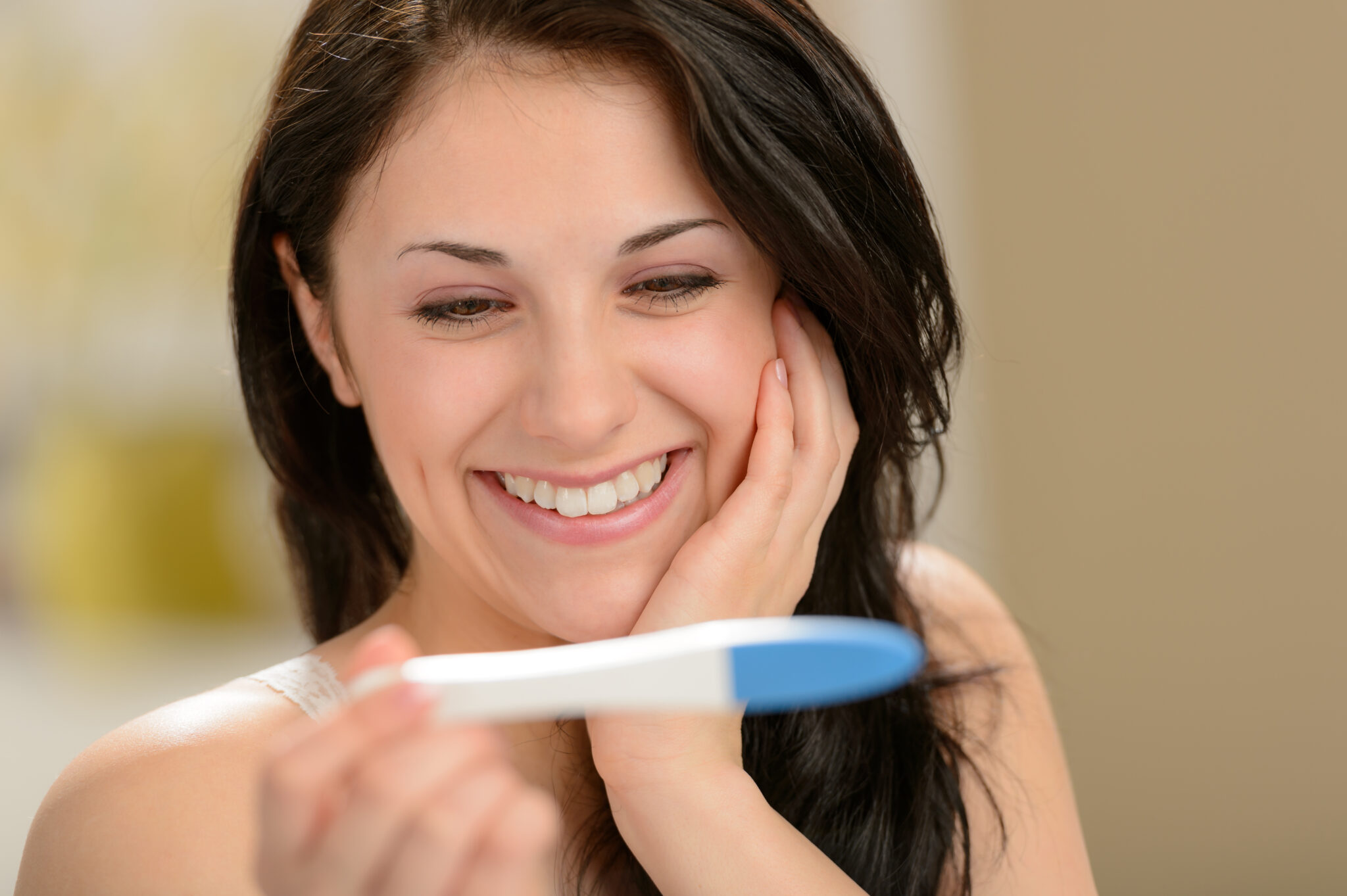 Deciding you want to become pregnant and have a baby can be an incredibly exciting and overwhelming time. Fertility can be affected by many factors and there are ways to increase your chances of conceiving naturally. However, for some trying for a baby may not go as hoped or planned, and they might need further medical assistance to conceive. Wherever you are on your fertility journey, [Nabta Health](https://nabtahealth.com/shop/collections/stage/fertility/) will support you with resources, knowledge, and access to experts. #### How can I increase my chances of getting pregnant naturally? First things first. There are lifestyle steps you can take in the months before you start trying for a baby to prepare your body for conception. * Take **prenatal vitamins**: To ensure your body is nutritionally strong, with all the minerals and vitamins you need for strong fetal development, start taking prenatal vitamins with folic acid at least three months before you try to conceive. * Follow a **balanced diet**: Boost your health with a varied diet covering all food groups. Avoid refined sugars, saturated fats and too much salt. * Maintain a **healthy weight**: Being underweight or overweight can impact fertility. * **Exercise** regularly: Exercise that builds strength, endurance and muscle tone will help your body stay healthy and strong during pregnancy and labour. * Get lots of **rest** and **sleep**: Sleep patterns can affect hormones. Stick to a regular 7-8 hours sleep routine as you prepare your body to conceive. * **Reduce stress**: High stress levels are linked with difficulties getting pregnant. Give yourself a break when you can and take the pressure off. If you’re feeling frazzled, try taking up yoga and practice mindfulness. * **Stop smoking** and **quit drugs**. Limit **alcohol** intake and cut back on **caffeine**. * **Come off contraception**: If you’re on hormonal contraception (the pill, [IUD](https://nabtahealth.com/glossary/iud/), patch, ring implant) it can take some months for your body to readjust and your cycles to return to your personal ‘normal’. Of course, this doesn’t apply if you use condoms or a diaphragm for contraception as they simply act as a barrier to conceiving. * Get a **well-woman health check**: Consider getting a full medical, including a check-up for any sexually transmitted infections (STIs). While this is by no means essential, your healthcare team will help you manage any potential red flags, family medical history or underlying health conditions that could af you getting pregnant naturally or having a healthy pregnancy. #### How do women become pregnant? The traditional way for heterosexual couples to get pregnant is through unprotected sexual intercourse. Pregnancy is a question of timing (among other individual factors). Heterosexual couples who want to get pregnant will need to time sex with [ovulation](https://nabtahealth.com/glossary/ovulation/). The man’s [sperm](https://nabtahealth.com/glossary/sperm/) must meet and fertilise the egg at the right time. Knowing her fertile window and timing intercourse with [ovulation](https://nabtahealth.com/glossary/ovulation/) is one of the most important factors in increasing a woman’s chances of conceiving. #### What is [ovulation](https://nabtahealth.com/glossary/ovulation/)? The [ovaries](https://nabtahealth.com/glossary/ovaries/) release the egg once every cycle, during [ovulation](https://nabtahealth.com/glossary/ovulation/). That egg travels down the [fallopian tubes](https://nabtahealth.com/glossary/fallopian-tube/) and waits to be fertilised by a [sperm](https://nabtahealth.com/glossary/sperm/). The egg can wait for 12-24 hours for a [sperm](https://nabtahealth.com/glossary/sperm/) to successfully push through its outer surface. [Sperm](https://nabtahealth.com/glossary/sperm/) can live inside the female reproductive tract for 3-5 days waiting to fertilise an egg. All being good the fertilised egg makes its way to the [uterus](https://nabtahealth.com/glossary/uterus/) (womb) and implants in the uterine lining. #### How do I know when I’m ovulating? Women typically ovulate around 12 to 14 days before their next period. If you have regular periods (the average menstrual cycle is 28 days but it’s normal for women’s cycles to be anywhere from 21 to 40 days) you can count back from the first day of when you would expect your next period. Fertility experts recommend having sex at least every other day in the [lead](https://nabtahealth.com/glossary/lead/)\-up to [ovulation](https://nabtahealth.com/glossary/ovulation/). [Sperm](https://nabtahealth.com/glossary/sperm/) can survive for several days in the female reproductive tract but once you’ve ovulated your egg has a 12-24 window for fertilisation so for the best chances of conception have enough sex in the time leading up to that brief window. #### What is fertility awareness and natural family planning? Fertility awareness methods (FAMs), also known as natural family planning, is used by women both as a method of contraception and to predict when they are most likely to conceive. Women can monitor several physiological cues alongside tracking menstrual cycle length to determine when they are most fertile: * Checking **cervical mucous**: Understanding how your cervical mucous changes during your cycle. As you near [ovulation](https://nabtahealth.com/glossary/ovulation/) you’ll notice your discharge becomes clear, stretchy, and wet, with the consistency of raw egg whites. This is known as fertile quality mucous and you are now at your most fertile. * Charting your **basal body temperature (BBT)**: There is a small rise in body temperature after [ovulation](https://nabtahealth.com/glossary/ovulation/). Measuring your BBT can help you predict the exact point of [ovulation](https://nabtahealth.com/glossary/ovulation/). Women with regular periods can measure BBT for 3-4 cycles to gain a fairly accurate prediction of when they are most fertile * Monitoring cervical mucous and BBT are non-invasive, easily accessible methods to track fertility. Using these two approaches together is known as the symptothermal method. Other methods for tracking [ovulation](https://nabtahealth.com/glossary/ovulation/) include: * **Calendar method**: This works by recording menstrual cycles on a calendar for 6-12 months and calculating fertile periods. It is most effective as a fertility predictor when combined with cervical mucous and BBT methods. * **[Ovulation](https://nabtahealth.com/glossary/ovulation/) predictor kits**: Over the counter [ovulation](https://nabtahealth.com/glossary/ovulation/) kits work in a similar way to at-home pregnancy tests. The woman pees on a stick measuring luteinizing hormone and a surge in this hormone indicates [ovulation](https://nabtahealth.com/glossary/ovulation/). However, it doesn’t prove an egg has been released and a woman can have the hormone surge but fail to ovulate. * **Period tracker apps**: Smartphone [ovulation](https://nabtahealth.com/glossary/ovulation/) tracker apps, like [OvuSense](https://nabtahealth.com/product/fertility-cycle-monitoring-with-ovusense/), monitor menstrual cycles and predict fertility. If you do choose to use a smartphone tracker app, be sure to read the small print for data collection policies. Fertility awareness, knowing and understanding your body and its menstrual cycles, helps lots of couples to conceive. However, getting pregnant isn’t always as simple as knowing your body and having lots of ‘baby making sex’. Some women want children but either cannot conceive naturally or keep miscarrying. And obviously, there are different considerations for women who have irregular periods due to [endometriosis](https://nabtahealth.com/glossary/endometriosis/) or [PCOS](https://nabtahealth.com/glossary/pcos/), those whose fertility is affected by illness or genetic history, and people who are single, transgender, or in same-sex relationships. #### What affects female fertility? Egg numbers and quality start to decline after 35, increasing the risk of age-related [infertility](https://nabtahealth.com/glossary/infertility/). The risk of pregnancy-related complications also increases with age. Underlying health issues, [endometriosis](https://nabtahealth.com/glossary/endometriosis/), uterine [polyps](https://nabtahealth.com/glossary/polyps/) or [fibroids](https://nabtahealth.com/glossary/fibroids/), polycystic ovarian syndrome ([PCOS](https://nabtahealth.com/glossary/pcos/)), problems with the [fallopian tubes](https://nabtahealth.com/glossary/fallopian-tube/), and ovulatory problems can all affect fertility. #### What affects male fertility? Male fertility problems can be caused by low [sperm](https://nabtahealth.com/glossary/sperm/) count, poor quality [sperm](https://nabtahealth.com/glossary/sperm/), or blockages preventing [sperm](https://nabtahealth.com/glossary/sperm/) moving through the reproductive tract. [Sperm](https://nabtahealth.com/glossary/sperm/) can be vulnerable to lifestyle and environmental factors including raised body temperature, weight gain, exposure to toxins, smoking, heavy alcohol intake and drug use. #### What if I can’t get pregnant naturally? Doctors define [infertility](https://nabtahealth.com/glossary/infertility/) as the inability to conceive after one year or longer of regular unprotected sex. If you are a woman in a heterosexual relationship and struggling to conceive using fertility awareness and natural family planning methods, both you and your partner should seek a medical and physical evaluation. In some situations, if a woman is 35 years or older, doctors may decide to investigate and treat [infertility](https://nabtahealth.com/glossary/infertility/) after 6 months of unprotected intercourse. #### Fertility testing for women Testing will depend on individual health and medical history, but typically initial testing will include **routine blood work to** check for: * Anti-Müllerian Hormone ([AMH](https://nabtahealth.com/glossary/amh/)): Ovarian reserve test to estimate how many eggs a woman has. * Follicle-Stimulating Hormone ([FSH](https://nabtahealth.com/glossary/fsh/)): Hormone stimulates the follicle producing the eggs. * Luteinizing Hormone ([LH](https://nabtahealth.com/glossary/lh/)): Responsible for follicle production and egg maturation. * [Prolactin](https://nabtahealth.com/glossary/prolactin/) (PRL): Hormone released from anterior pituitary gland, raised during pregnancy in preparation for breastfeeding, and in women with infrequent periods. * Thyrotrophin ([TSH](https://nabtahealth.com/glossary/tsh/)): Can indicate an underactive thyroid, linked with irregular periods. * [Estradiol](https://nabtahealth.com/glossary/estradiol/): A form of estrogen, the test measures ovarian function and egg quality. * Androgen: High levels can prevent the [ovaries](https://nabtahealth.com/glossary/ovaries/) from releasing an egg and may indicate polycystic ovarian syndrome ([PCOS](https://nabtahealth.com/glossary/pcos/)). * A **Vaginal ultrasound** will check: 1. Reproductive organ health. 2. [Ovaries](https://nabtahealth.com/glossary/ovaries/) for cysts, [fibroids](https://nabtahealth.com/glossary/fibroids/), [polyps](https://nabtahealth.com/glossary/polyps/), [PCOS](https://nabtahealth.com/glossary/pcos/), [endometriosis](https://nabtahealth.com/glossary/endometriosis/), or any abnormalities. 3. Egg reserve. Sometimes an **X-ray** is also carried out: Hysterosalpingography (HSG): Examines inside of the [uterus](https://nabtahealth.com/glossary/uterus/) (womb) and [fallopian tubes](https://nabtahealth.com/glossary/fallopian-tube/) for blockages or anything that might be stopping the [sperm](https://nabtahealth.com/glossary/sperm/) from reaching the egg. #### Fertility testing for men Blood work for men will check hormone levels and scan for certain infections or a possible genetic cause for [infertility](https://nabtahealth.com/glossary/infertility/). A doctor may request a [sperm](https://nabtahealth.com/glossary/sperm/) sample to assess [sperm](https://nabtahealth.com/glossary/sperm/) count, shape and movement, and a scrotal ultrasound to check if there are any problems or blockages in the testicles preventing [sperm](https://nabtahealth.com/glossary/sperm/) getting into a man’s ejaculate. #### Fertility treatment options Each person’s fertility scenario is unique, and any recommended [infertility](https://nabtahealth.com/glossary/infertility/) treatment will depend on an individual’s own health and medical history. A woman with a blocked fallopian tube or a man who isn’t producing [sperm](https://nabtahealth.com/glossary/sperm/) will be offered procedures to remove the blockage, repair damage or retrieve [sperm](https://nabtahealth.com/glossary/sperm/), before trying other fertility treatments. If appropriate, fertility specialists will often recommend that women start with **clomid**, a **prescribed oral medication for [infertility](https://nabtahealth.com/glossary/infertility/)**. This is also the preferred approach for women with hormonal conditions such as polycystic ovarian syndrome ([PCOS](https://nabtahealth.com/glossary/pcos/)). Clomid works by stimulating an increase in the levels of follicle-stimulating hormones, initiating [ovulation](https://nabtahealth.com/glossary/ovulation/) and increasing the odds of pregnancy. For some women this approach is combined with **intrauterine insemination (IUI)**, in which the male partner’s or donor’s [sperm](https://nabtahealth.com/glossary/sperm/) is inserted directly into the [uterus](https://nabtahealth.com/glossary/uterus/) to increase the probabilities of conception. If that approach doesn’t work, or if it’s clear from a woman’s medical history it won’t work, the next step would be treatments such as **in vitro fertilisation ([IVF](https://nabtahealth.com/glossary/ivf/))**. [IVF](https://nabtahealth.com/glossary/ivf/) involves retrieving eggs from a woman’s body, fertilising the eggs in a laboratory, and transferring the resulting embryo back into her body. The process is lengthy, invasive, and expensive and can take an emotional toll. However, for many women who want children it is their only option. Fertility treatments vary depending on a woman or couple’s situation. People who are single, in same-sex relationships or transgender will have their own fertility journeys and in these cases a woman’s age and fertility status still plays a role. Fertility experts will offer the necessary support and advice for each individual scenario. #### Getting started on your fertility journey with Nabta Health Whatever your personal situation, whether you’re thinking about starting a family, having another child, or you’ve been trying for years without success, [Nabta Health](https://nabtahealth.com/shop/collections/stage/fertility/) will support you on your fertility journey. From health and lifestyle tips for pre-conception and [PCOS](https://nabtahealth.com/glossary/pcos/), to relationship coaching, pregnancy wellness products, and at-home vitamin, thyroid, and fertility testing, Nabta’s fertility marketplace and knowledge resources are designed to accompany you through each stage from pre-conception to birth.

* [TSH](https://nabtahealth.com/glossary/tsh/) (thyroid stimulating hormone) can affect your metabolic health. * Produced by the pituitary gland, [TSH](https://nabtahealth.com/glossary/tsh/) is essential for the healthy functioning of every cell in your body. * If you have an overactive thyroid, you have too much [TSH](https://nabtahealth.com/glossary/tsh/) and this speeds up [metabolism](https://nabtahealth.com/glossary/metabolism/). * If you have an underactive thyroid, you have too little [TSH](https://nabtahealth.com/glossary/tsh/) and this slows down [metabolism](https://nabtahealth.com/glossary/metabolism/). * Treatment can include medication as well as healthy lifestyle changes. Your [TSH](https://nabtahealth.com/glossary/tsh/) and metabolic health are linked. [TSH](https://nabtahealth.com/glossary/tsh/) (thyroid stimulating hormone) is produced by the pituitary gland, a small but important gland in the body’s endocrine system, often referred to as the [‘master gland’](https://www.yourhormones.info/glands/pituitary-gland/). Your pituitary gland is below your larynx and makes hormones that control many of the body’s vital functions. It also stimulates hormone-creation by other glands. #### What does your thyroid do? Your thyroid regulates the hormones that instruct your body’s energy use. Your thyroid keeps your [metabolism](https://nabtahealth.com/glossary/metabolism/) working properly by telling your body to speed up or slow the breakdown of calories. #### What is [TSH](https://nabtahealth.com/glossary/tsh/)? The pituitary gland manages this process by [monitoring and controlling the amount of thyroid hormones in your bloodstream](https://my.clevelandclinic.org/health/diseases/8541-thyroid-disease) with its thyroid stimulating hormone ([TSH](https://nabtahealth.com/glossary/tsh/)). [TSH](https://nabtahealth.com/glossary/tsh/) instructs the [thyroid gland](https://nabtahealth.com/glossary/thyroid-gland/) to [convert iodine from the food you e](https://www.endocrine.org/patient-engagement/endocrine-library/hormones-and-endocrine-function)at into the thyroid hormones thyroxine (T4) and triiodothyronine (T3). Essential for the healthy functioning of [every cell in your body’s tissue and organs](https://www.thyroid.org/wp-content/uploads/patients/brochures/Hypothyroidism_web_booklet.pdf), these hormones are stored and released into the bloodstream as needed. #### Why is the [TSH](https://nabtahealth.com/glossary/tsh/) normal range important? The normal [TSH](https://nabtahealth.com/glossary/tsh/) range in an adult is 0.5 to 5.0 mlU/L. If the thyroid stimulating hormone doesn’t balance hormone production, and therefore [metabolism](https://nabtahealth.com/glossary/metabolism/), a person can start to experience symptoms of ill health. A high [TSH](https://nabtahealth.com/glossary/tsh/) level means the underactive [thyroid gland](https://nabtahealth.com/glossary/thyroid-gland/) ([hypothyroidism](https://nabtahealth.com/glossary/hypothyroidism/)) isn’t producing enough hormones and is known as [hypothyroidism](https://nabtahealth.com/glossary/hypothyroidism/). With a low [TSH](https://nabtahealth.com/glossary/tsh/) level the overactive thyroid ([hyperthyroidism](https://nabtahealth.com/glossary/hyperthyroidism/)) is producing an excess of T3 and T4. Women are more likely than men to experience thyroid dysfunction, with an [estimated 1 in 8 women experiencing thyroid dysfunction during her lifetime](https://www.womenshealth.gov/a-z-topics/thyroid-disease). Thyroid dysfunction in women can [lead](https://nabtahealth.com/glossary/lead/) to erratic menstrual cycles, difficulties becoming pregnant and problems during pregnancy. It is more common after pregnancy or [menopause](https://nabtahealth.com/glossary/menopause/). #### [TSH](https://nabtahealth.com/glossary/tsh/), [hyperthyroidism](https://nabtahealth.com/glossary/hyperthyroidism/) and metabolic health In [hyperthyroidism](https://nabtahealth.com/glossary/hyperthyroidism/) (overactive thyroid) overproduction of thyroxine hormones speeds up [metabolism](https://nabtahealth.com/glossary/metabolism/). Weight loss, hair loss, fatigue, rapid or irregular heartbeat, palpitations, change in bowel movements, changes in menstrual patterns and [infertility](https://nabtahealth.com/glossary/infertility/) are all symptoms of a low [TSH](https://nabtahealth.com/glossary/tsh/) and [hyperthyroidism](https://nabtahealth.com/glossary/hyperthyroidism/). [Graves’ disease](https://www.mayoclinic.org/diseases-conditions/graves-disease/symptoms-causes/syc-20356240), an immune system disorder, is a common cause of [hyperthyroidism](https://nabtahealth.com/glossary/hyperthyroidism/) and tends to affect male and female adults under 40. [Hypothyroidism](https://nabtahealth.com/glossary/hypothyroidism/) (underactive thyroid) is when the [thyroid gland](https://nabtahealth.com/glossary/thyroid-gland/) doesn’t produce enough hormones for the body’s needs and [](https://nabtahealth.com/articles/can-cortisol-levels-lead-to-metabolic-syndrome/)[metabolism](https://nabtahealth.com/glossary/metabolism/) slows down. Unexplained weight gain, puffy face, thinning hair, fatigue, muscle pain, and [constipation](https://nabtahealth.com/glossary/constipation/) are common symptoms of high [TSH](https://nabtahealth.com/glossary/tsh/) and an underactive thyroid in women. [Hypothyroidism](https://nabtahealth.com/glossary/hypothyroidism/) is often linked with autoimmune condition [Hashimoto’s disease](https://www.nhs.uk/conditions/thyroiditis/), an [inflammation](https://nabtahealth.com/glossary/inflammation/) of the [thyroid gland](https://nabtahealth.com/glossary/thyroid-gland/). #### How do I check my [TSH](https://nabtahealth.com/glossary/tsh/) levels? Your doctor will discuss your symptoms and may suggest a [TSH](https://nabtahealth.com/glossary/tsh/) test. A [TSH](https://nabtahealth.com/glossary/tsh/) blood test will check [TSH](https://nabtahealth.com/glossary/tsh/) levels in your blood and measure how the thyroid is functioning. Your doctor may also check your T3 and T4 levels. You can also check your [TSH](https://nabtahealth.com/glossary/tsh/) levels in the comfort of your own home with an at-home testing kit from [Nabta Health](https://nabtahealth.com/product/thyroid-test/). Treatment options may include lifestyle recommendations – dietary changes, regular exercise, sleep, relaxation – alongside the appropriate thyroid medication. \_\_\_ If you are concerned you may have issues with your [metabolism](https://nabtahealth.com/glossary/metabolism/), get tested in the privacy of your own home by ordering a blood test [here](https://nabtahealth.com/product/metabolism-test/). Nabta is reshaping women’s healthcare. We support women with their personal health journeys, from everyday wellbeing to the uniquely female experiences of fertility, pregnancy, and [](https://nabtahealth.com/glossary)[menopause](https://nabtahealth.com/glossary/menopause/). You can track your menstrual cycle and get [personalised support by using the Nabta app.](https://nabtahealth.com/our-platform/nabta-app/) [Get in touch](/cdn-cgi/l/email-protection#ebced9db928a87878aab858a899f8a838e8a879f83c5888486) if you have any questions about this article or any aspect of women’s health. We’re here for you.

* High [cortisol](https://nabtahealth.com/glossary/cortisol/) levels can [lead](https://nabtahealth.com/glossary/lead/) to metabolic syndrome. * [Cortisol](https://nabtahealth.com/glossary/cortisol/) is known as the ‘stress hormone’. * [Cortisol](https://nabtahealth.com/glossary/cortisol/) is linked with higher risk for developing components of metabolic syndrome. * Metabolic syndrome is a collection of symptoms that increase risk of several chronic health conditions. * You can manage your [cortisol](https://nabtahealth.com/glossary/cortisol/) levels by following a healthy lifestyle. #### What is metabolic syndrome? Metabolic syndrome is a combination of conditions that together raise a person’s risk for heart disease, diabetes, stroke and other chronic health issues. The five components of [metabolic syndrome](https://nabtahealth.com/articles/what-controls-metabolism/) are: high blood pressure; [insulin resistance](https://nabtahealth.com/glossary/insulin-resistance/); low [HDL](https://nabtahealth.com/glossary/hdl/) (good) [cholesterol](https://nabtahealth.com/glossary/cholesterol/); high [triglycerides](https://nabtahealth.com/glossary/triglycerides/); and being overweight around your middle (abdominal obesity). A person is diagnosed as having metabolic syndrome when they have three or more of these components. #### Why is [cortisol](https://nabtahealth.com/glossary/cortisol/) important? Known as the ‘stress hormone’, [cortisol](https://nabtahealth.com/glossary/cortisol/) is a glucocorticoid hormone produced by the adrenal (suprarenal) glands, part of the body’s endocrine system. For optimal levels of [cortisol](https://nabtahealth.com/glossary/cortisol/) your [](https://my.clevelandclinic.org/health/articles/22187-cortisol)[hypothalamus](https://nabtahealth.com/glossary/hypothalamus/), pituitary gland and adrenal glands must all work together. [Cortisol](https://nabtahealth.com/glossary/cortisol/) gets its ‘stress hormone’ reputation for its role in regulating our body’s stress response. What many of us don’t realise is the part [cortisol](https://nabtahealth.com/glossary/cortisol/) plays in maintaining functions in nearly every organ in the body. [Cortisol](https://nabtahealth.com/glossary/cortisol/) balance is essential for our body’s healthy functioning. When released into the bloodstream [cortisol](https://nabtahealth.com/glossary/cortisol/) acts on different parts of body and helps: · [stimulate fat and carbohydrate](https://www.ncbi.nlm.nih.gov/pmc/articles/PMC3602916/) [metabolism](https://nabtahealth.com/glossary/metabolism/) and regulate [metabolism](https://nabtahealth.com/glossary/metabolism/) of glucose · control blood pressure · manage immune system functions · reduce [inflammation](https://nabtahealth.com/glossary/inflammation/) · control the body’s response to stress or danger. [Cortisol](https://nabtahealth.com/glossary/cortisol/) release is also linked with our [circadian rhythm](https://my.clevelandclinic.org/health/articles/22187-cortisol) (sleep/wake cycles). Normal blood [cortisol](https://nabtahealth.com/glossary/cortisol/) levels follow a diurnal rhythm; [cortisol](https://nabtahealth.com/glossary/cortisol/) levels fluctuate during the day and in a diurnal rhythm are typically higher when we wake up and lower before we go to sleep. #### [Cortisol](https://nabtahealth.com/glossary/cortisol/) is associated with components of metabolic syndrome [Studies show](https://www.ncbi.nlm.nih.gov/pmc/articles/PMC3124722/) that there is a relationship between increased risk of metabolic imbalance and related health issues, and elevated levels of [cortisol](https://nabtahealth.com/glossary/cortisol/): · [Cortisol](https://nabtahealth.com/glossary/cortisol/) triggers the release of glucose into the bloodstream. Consistently high [cortisol](https://nabtahealth.com/glossary/cortisol/) levels can [lead](https://nabtahealth.com/glossary/lead/) to high blood sugar (hyperglycemia) which in turn can [lead](https://nabtahealth.com/glossary/lead/) to type 2 diabetes. · Raised levels of [cortisol](https://nabtahealth.com/glossary/cortisol/) in the body can cause [hypertension](https://nabtahealth.com/glossary/hypertension/) (high blood pressure) and an increase in [LDL](https://nabtahealth.com/glossary/ldl/) (bad [cholesterol](https://nabtahealth.com/glossary/cholesterol/)), both risk factors in cardiovascular disease. · [Cortisol](https://nabtahealth.com/glossary/cortisol/) regulates appetite and cravings and there is a direct relationship between abdominal weight gain and high [cortisol](https://nabtahealth.com/glossary/cortisol/) levels. Other disorders are related to the adrenal glands not functioning properly including [Cushing syndrome](https://www.mayoclinic.org/diseases-conditions/cushing-syndrome/symptoms-causes/syc-20351310), [Addison’s disease](https://www.mayoclinic.org/diseases-conditions/addisons-disease/symptoms-causes/syc-20350293), [Congenital](https://www.mayoclinic.org/diseases-conditions/congenital-adrenal-hyperplasia/symptoms-causes/syc-20355205) [adrenal hyperplasia](https://nabtahealth.com/glossary/adrenal-hyperplasia/) and [Conn’s syndrome](https://www.urologyhealth.org/urology-a-z/c/conns-syndrome). #### How can you manage your [cortisol](https://nabtahealth.com/glossary/cortisol/) levels? Persistent high levels of [cortisol](https://nabtahealth.com/glossary/cortisol/), caused by constant stress and negative lifestyle factors, can be harmful to our health and in some cases can [lead](https://nabtahealth.com/glossary/lead/) to metabolic syndrome. You can take steps to manage your stress levels by following a healthy lifestyle – getting sufficient sleep, regular exercise and eating a diet high in whole and plant foods. In some cases, your doctor may decide to prescribe synthetic corticosteroids such as prednisone, hydrocortisone or dexamethasone to help manage your [cortisol](https://nabtahealth.com/glossary/cortisol/) levels. \_\_\_ If you are concerned you may have issues with your [metabolism](https://nabtahealth.com/glossary/metabolism/), get tested in the privacy of your own home by ordering a blood test [here](https://nabtahealth.com/product/metabolism-test/). Nabta is reshaping women’s healthcare. We support women with their personal health journeys, from everyday wellbeing to the uniquely female experiences of fertility, pregnancy, and [menopause](https://nabtahealth.com/glossary/menopause/). You can track your menstrual cycle and get [personalised support by using the Nabta app.](https://nabtahealth.com/our-platform/nabta-app/) [Get in touch](/cdn-cgi/l/email-protection#0d283f3d746c61616c4d636c6f796c65686c617965236e6260) if you have any questions about this article or any aspect of women’s health. We’re here for you.

* There are many factors that control [metabolism](https://nabtahealth.com/glossary/metabolism/). * Each person’s [metabolism](https://nabtahealth.com/glossary/metabolism/) is influenced by their genes, age, illness, medications and stress. * [Metabolism](https://nabtahealth.com/glossary/metabolism/) is the process by which our body converts the food and drink we consume into energy. * [Metabolism](https://nabtahealth.com/glossary/metabolism/) is controlled by our endocrine system, which produces and releases hormones. * Imbalances in hypothalamic and pancreatic regulation of [metabolism](https://nabtahealth.com/glossary/metabolism/) can [lead](https://nabtahealth.com/glossary/lead/) to increased risk for metabolic disorders such as [diabetes type 2.](https://nabtahealth.com/articles/the-diabetes-epidemic-and-why-it-is-killing-the-middle-east/) It’s tempting to dismiss or blame [metabolism](https://nabtahealth.com/glossary/metabolism/) as being about fast or slow, weight gain or loss. The truth is [metabolism](https://nabtahealth.com/glossary/metabolism/) lies at the core of our body’s healthy functioning. Our bodies need metabolic processes to sustain life. [Metabolism](https://nabtahealth.com/glossary/metabolism/) keeps us alive. #### What is [metabolism](https://nabtahealth.com/glossary/metabolism/)? [Metabolism](https://nabtahealth.com/glossary/metabolism/) is the internal process by which our body converts the food and drink we consume into energy. This energy is stored and released as needed for use in cells. [Metabolism](https://nabtahealth.com/glossary/metabolism/) is at the root of all work in our cells and enables other essential chemical reactions to happen. Without these chemical processes we can’t breathe, circulate blood, build and repair cells and everything else our bodies require to survive. #### So how does [metabolism](https://nabtahealth.com/glossary/metabolism/) work? [Metabolism](https://nabtahealth.com/glossary/metabolism/) is a balancing act between anabolism and catabolism. Our digestive enzymes turn carbohydrates into simple sugars like glucose, fats into fatty acids, and proteins into amino acids. These nutrients are absorbed in the blood and carried through our body to cells, where they are metabolized in two finely balanced chemical processes. Catabolism is the breakdown of nutrients and the release of energy. Anabolism uses that energy for bodily processes, growth and maintenance. #### What controls [metabolism](https://nabtahealth.com/glossary/metabolism/)? The whole process of [metabolism](https://nabtahealth.com/glossary/metabolism/) is controlled by our endocrine system, a network of glands all over the body which produce and release hormones. Those hormones in turn manage most functions in our bodies, including our [metabolism](https://nabtahealth.com/glossary/metabolism/), reproduction, growth and development, energy levels, emotions, response to injury, stress, sexual function, and sleep. It’s a finely tuned process. Sometimes glands produce too much or not enough of a hormone. This can [lead](https://nabtahealth.com/glossary/lead/) to imbalance and health problems such as weight gain, high blood pressure, changes in mood and sleep. Many external and internal factors affect how our bodies create and release hormones. Age, medications, illness and stress can all cause hormonal imbalance. The hormones that regulate your [metabolism](https://nabtahealth.com/glossary/metabolism/), your body’s ability to break down food and create energy, are produced by your thyroid, adrenal gland, [hypothalamus](https://nabtahealth.com/glossary/hypothalamus/) and pancreas. Each plays a different and complementary role in controlling and influencing your body’s metabolic health. #### How is the thyroid important for [metabolism](https://nabtahealth.com/glossary/metabolism/)? The **Thyroid** is vital in [regulating the metabolic processes needed for healthy growth and development, as well as regulating the body’s](https://www.ncbi.nlm.nih.gov/pmc/articles/PMC4044302/) [metabolism](https://nabtahealth.com/glossary/metabolism/). The thyroid [uses iodine from the food you consume](https://www.endocrine.org/patient-engagement/endocrine-library/hormones-and-endocrine-function) to produce its two primary hormones thyroxine (T4) and triiodothyronine (T3). These are stored and secreted as needed. The link between a [healthy functioning thyroid, body weight and energy expenditure](https://www.ncbi.nlm.nih.gov/pmc/articles/PMC4044302/) is well established. [Hypothyroidism](https://nabtahealth.com/glossary/hypothyroidism/) (underactive thyroid) is when the [thyroid gland](https://nabtahealth.com/glossary/thyroid-gland/) doesn’t release enough hormones and [metabolism](https://nabtahealth.com/glossary/metabolism/) slows down, affecting the entire body. This is often linked with autoimmune condition [Hashimoto’s disease](https://www.nhs.uk/conditions/thyroiditis/) which is an [inflammation](https://nabtahealth.com/glossary/inflammation/) of the [thyroid gland](https://nabtahealth.com/glossary/thyroid-gland/). Symptoms of [hyperthyroidism](https://nabtahealth.com/glossary/hyperthyroidism/) in women include [unusual weight gain, muscle weakness and pain, fatigue, thinning hair and](https://www.mayoclinic.org/diseases-conditions/hypothyroidism/symptoms-causes/syc-20350284) [constipation](https://nabtahealth.com/glossary/constipation/). In [hyperthyroidism](https://nabtahealth.com/glossary/hyperthyroidism/) (overactive thyroid) overproduction of hormones can [lead](https://nabtahealth.com/glossary/lead/) to accelerated [metabolism](https://nabtahealth.com/glossary/metabolism/) causing unintentional weight loss, [changes in menstrual patterns, more frequent bowel movements, sweating, tachycardia (rapid heartbeat),](https://www.mayoclinic.org/diseases-conditions/hyperthyroidism/symptoms-causes/syc-20373659) [arrhythmia](https://nabtahealth.com/glossary/arrhythmia/) (irregular heartbeat), anxiety, hair thinning and can cause [Grave’s disease](https://www.niddk.nih.gov/health-information/endocrine-diseases/graves-disease). #### How does the adrenal gland regulate [metabolism](https://nabtahealth.com/glossary/metabolism/)? **Adrenal or suprarenal glands** sit on top of your kidneys. Adrenals produce and release [cortisol](https://nabtahealth.com/glossary/cortisol/) (steroid) hormones and epinephrine ([adrenaline](https://nabtahealth.com/glossary/adrenaline/)) that help regulate your [metabolism](https://nabtahealth.com/glossary/metabolism/), immune system, blood pressure and maintain your response to stress. Among other important functions, [](https://www.hopkinsmedicine.org/health/conditions-and-diseases/adrenal-glands)[cortisol](https://nabtahealth.com/glossary/cortisol/) helps control the body’s use of fats, proteins and carbohydrates, regulates blood pressure and increases blood sugar. Disorders related to the adrenal glands not functioning properly include [Cushing syndrome](https://www.mayoclinic.org/diseases-conditions/cushing-syndrome/symptoms-causes/syc-20351310), [Addison’s disease](https://www.mayoclinic.org/diseases-conditions/addisons-disease/symptoms-causes/syc-20350293), [Congenital](https://www.mayoclinic.org/diseases-conditions/congenital-adrenal-hyperplasia/symptoms-causes/syc-20355205) [adrenal hyperplasia](https://nabtahealth.com/glossary/adrenal-hyperplasia/) and [Conn’s syndrome](https://www.urologyhealth.org/urology-a-z/c/conns-syndrome). #### Hypothalamic regulation of [metabolism](https://nabtahealth.com/glossary/metabolism/) Studies are increasingly demonstrating that the **[hypothalamus](https://nabtahealth.com/glossary/hypothalamus/)** is critical in coordinating [metabolism](https://nabtahealth.com/glossary/metabolism/) and central to energy balance. The [hypothalamus](https://nabtahealth.com/glossary/hypothalamus/) region of the brain regulates [metabolism](https://nabtahealth.com/glossary/metabolism/) by controlling food intake, energy storage and release [“through the ability of neurons to sense, integrate, and respond to numerous metabolic signals.”](https://academic.oup.com/endo/article/159/10/3596/5091402) #### How does the pancreas control [metabolism](https://nabtahealth.com/glossary/metabolism/)? The two glands in the **pancreas** are crucial to [metabolism](https://nabtahealth.com/glossary/metabolism/) regulation, playing a key role in nutrient digestion and blood sugar control. The endocrine gland makes hormones that manage blood sugar levels; insulin lowers blood sugar and glucagon raises blood sugar levels. The exocrine gland [secretes digestive enzymes crucial for breaking down carbohydrates, fats, proteins and acids in the duodenum](https://www.hopkinsmedicine.org/health/conditions-and-diseases/the-pancreas). Imbalances in both hypothalamic and pancreatic regulation of [metabolism](https://nabtahealth.com/glossary/metabolism/) can [lead](https://nabtahealth.com/glossary/lead/) to increased risk for metabolic disorders such as diabetes type 2. #### What are inherited metabolic disorders? Inherited metabolic disorders are rare genetic conditions that cause a person’s [metabolism](https://nabtahealth.com/glossary/metabolism/) to not work properly from birth. Typically caused by a family history of inherited genetic disorders or by gene changes causing a deficiency in hormones or enzymes needed for the digestion process. These deficiencies cause abnormal chemical reactions that keep the body’s [metabolism](https://nabtahealth.com/glossary/metabolism/) from working properly, with the processes that convert food into energy and remove waste and toxins from the body compromised. Doctors have identified many different and rare disorders, each of which has varying symptoms and treatment options. #### Why is it important to understand [metabolism](https://nabtahealth.com/glossary/metabolism/)? Knowing how [metabolism](https://nabtahealth.com/glossary/metabolism/) is controlled by your body’s endocrine system, and that each person’s [metabolism](https://nabtahealth.com/glossary/metabolism/) is also influenced by their genes, age, illness, medications and stress, can help you have a better understanding of your body. Whenever you have weight changes (gain or loss) you can’t explain you should talk to your doctor, especially if accompanied by other possible symptoms of [metabolism](https://nabtahealth.com/glossary/metabolism/) imbalance. Your doctor will run tests and advise you of treatment options and medications are available to regulate hormones. And a healthy lifestyle – staying active, eating a healthy diet and getting lots of sleep – will always have a positive impact on weight and energy levels. \_\_\_ If you are concerned you may have issues with your [metabolism](https://nabtahealth.com/glossary/metabolism/), get tested in the privacy of your own home by ordering a blood test [here](https://nabtahealth.com/product/metabolism-test/). Nabta is reshaping women’s healthcare. We support women with their personal health journeys, from everyday wellbeing to the uniquely female experiences of fertility, pregnancy, and [menopause](https://nabtahealth.com/glossary/menopause/). You can track your menstrual cycle and get [personalised support by using the Nabta app.](https://nabtahealth.com/our-platform/nabta-app/) [Get in touch](/cdn-cgi/l/email-protection#0b2e393b726a67676a4b656a697f6a636e6a677f6325686466) if you have any questions about this article or any aspect of women’s health. We’re here for you.